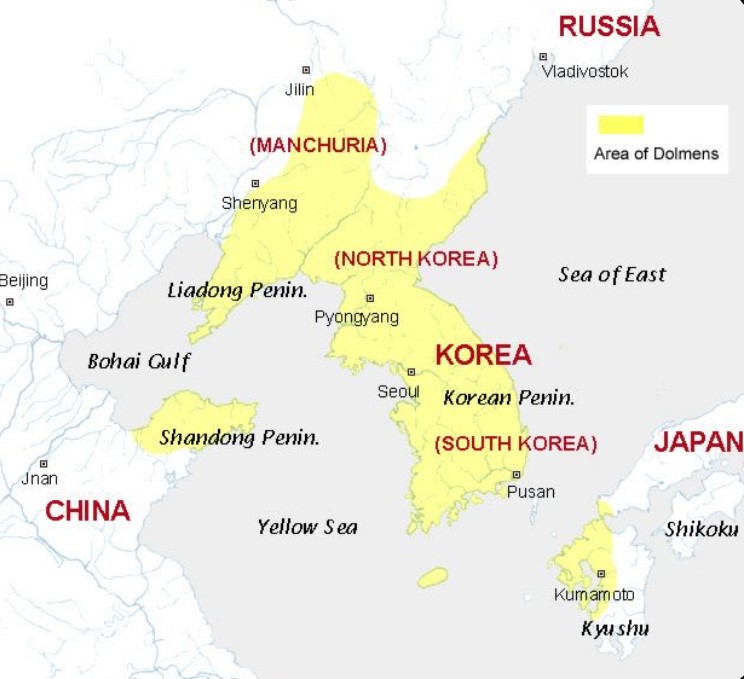
The closest World Heritage sites to the Gochang, Hwasun and Ganghwa Dolmen Sites are Getbol, Korean Tidal Flats at 14 km, and Seowon, Korean Neo-Confucian Academies at 18 km. Both lie in the Republic of Korea, as do the next closest properties: the Royal Tombs of the Joseon Dynasty at 24 km and the Sansa Buddhist Mountain Monasteries at 37 km. The dolmen sites themselves, inscribed in 2000, preserve prehistoric megalithic burial monuments concentrated in three areas of the Korean peninsula.
The World Heritage sites within reach of the dolmen clusters
The distances below are straight lines between the reference points that UNESCO publishes for each property, measured to the nearest component of a serial site. They show what is close as the crow flies. They do not show road times, which depend on route, season and transport connections.
| Site | Country | Distance | Inscribed | Type |
|---|---|---|---|---|
| Getbol, Korean Tidal Flats | Republic of Korea | 14 km | 2021 | Natural |
| Seowon, Korean Neo-Confucian Academies | Republic of Korea | 18 km | 2019 | Cultural |
| Historic Monuments and Sites in Kaesong | Democratic People’s Republic of Korea | 23 km | 2013 | Cultural |
| Royal Tombs of the Joseon Dynasty | Republic of Korea | 24 km | 2009 | Cultural |
| Sansa, Buddhist Mountain Monasteries in Korea | Republic of Korea | 37 km | 2018 | Cultural |
| Changdeokgung Palace Complex | Republic of Korea | 53 km | 1997 | Cultural |
Read together, the Korean properties near the dolmen sites map a long arc of the peninsula’s cultural and natural history. The Seowon academies and the Royal Tombs of the Joseon Dynasty both belong to the Joseon period and its Neo-Confucian state; the Sansa monasteries, established between the 7th and 9th centuries, carry an older Buddhist tradition into the present. The Getbol tidal flats sit on the same western coast that holds many of Korea’s dolmen clusters, connecting the prehistoric use of the land to a coastal ecosystem now protected for its migratory waterbirds.
Three clusters, one bronze-age burial culture
The World Heritage property is not a single location but three separate areas. The Gochang Dolmen Site, with 8.38 ha, sits at the southern foot of a group of hills near the village of Maesan and contains over 440 recorded dolmens of various types. The Hwasun Dolmen Site covers 31 ha on the slopes of a low range of hills along the Jiseokgang River, with more than 500 dolmens. The Ganghwa Dolmen Sites, at 12.27 ha, lie on the offshore island of Ganghwa, on mountain slopes, and include stylistically early examples at Bugeun-ri and Gocheon-ri.
What the dolmens show about quarrying and transport
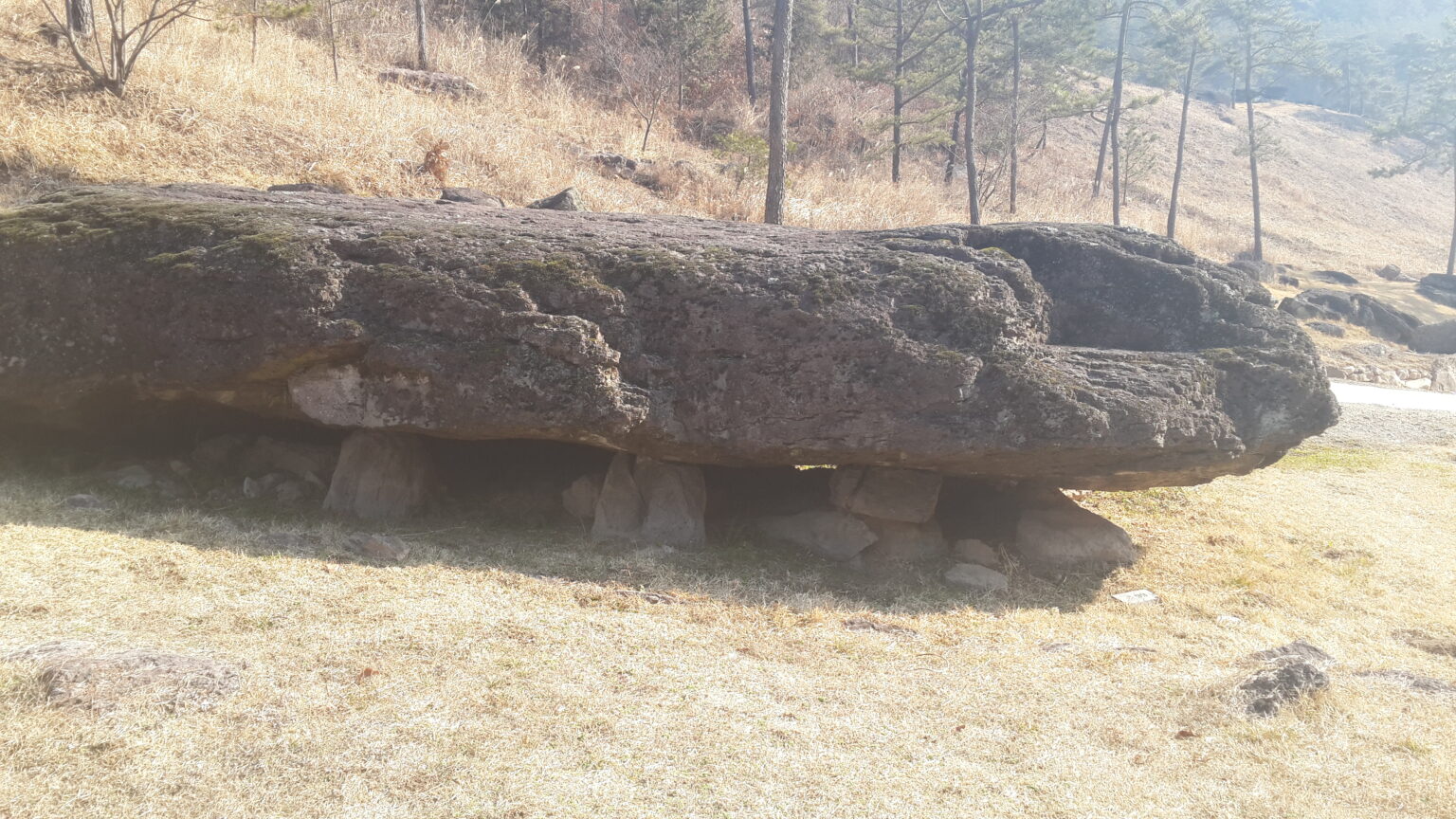
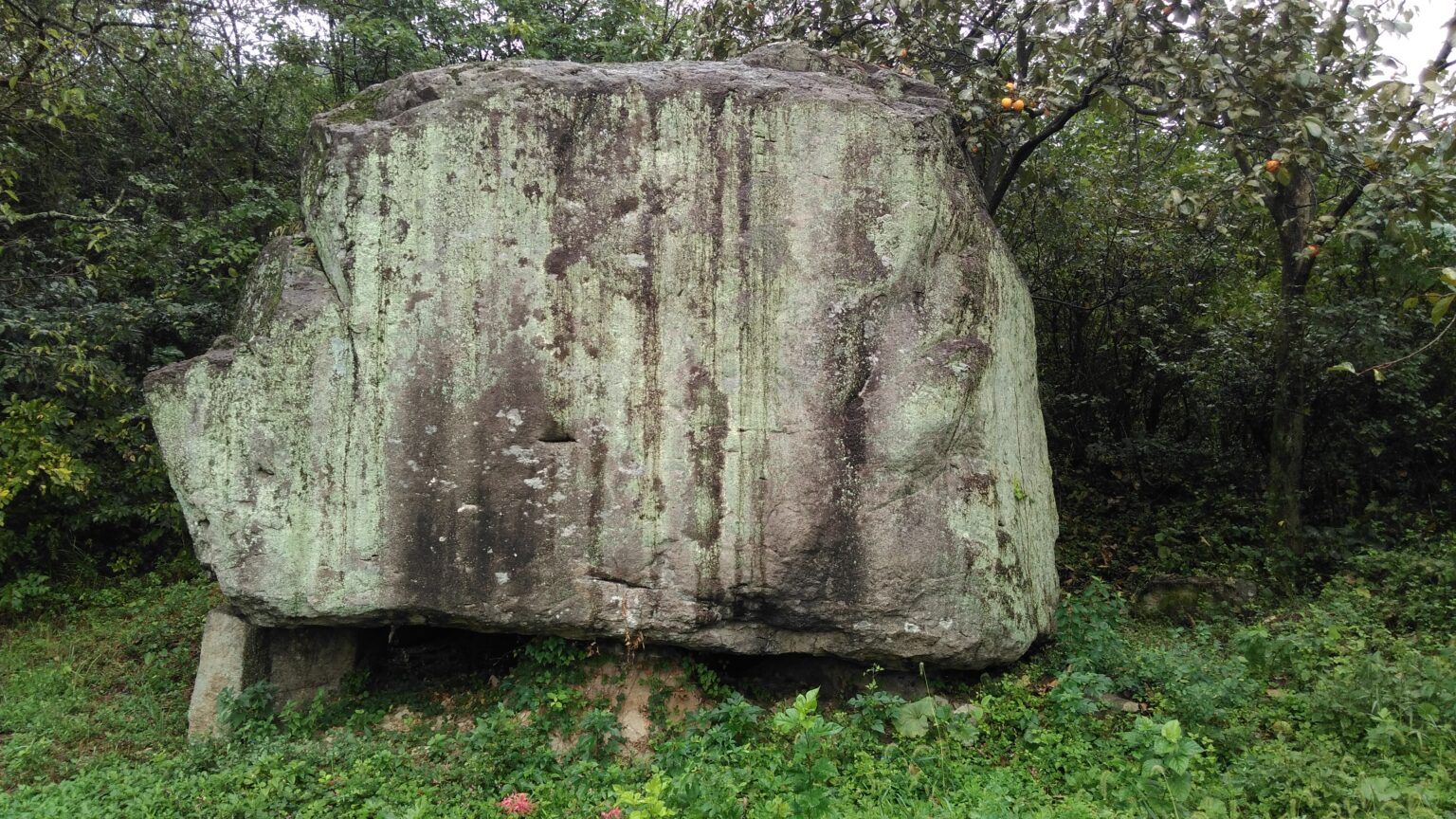
The three clusters preserve evidence of how the stones were obtained, moved and raised. At Hwasun, the stone outcrops from which the slabs were taken have been identified in a number of cases, and UNESCO notes that the existence of a quarry near the site is especially important for understanding the origins, nature and developmental history of the dolmens. The Gochang site contains the largest and most diversified group, while the Ganghwa examples tend to be earlier in style and stand at higher elevations than the others.
Conservation and the risks to the monuments
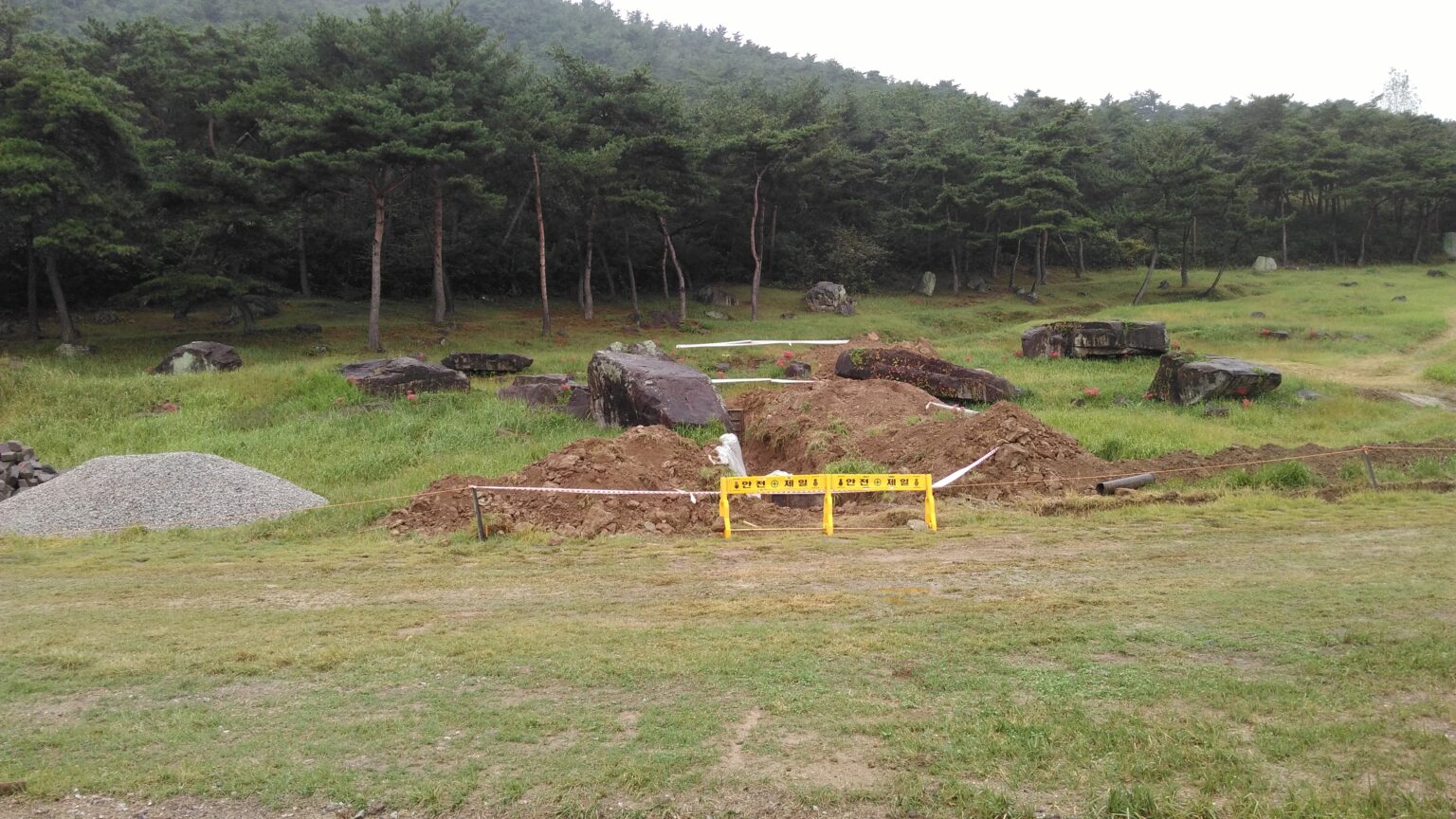
All three areas are designated under the Cultural Heritage Protection Act, with a further 500 m of protection around each boundary. The Cultural Heritage Administration holds overall responsibility, while a national research institute carries out academic research, field survey and excavation. Day-to-day management falls to the relevant county administrations. UNESCO identifies fire and damage to the surrounding environment as the greatest risk to the dolmens; scrub is removed regularly to prevent forest fire, and collapsed examples are investigated and restored.
Frequently Asked Questions
Which UNESCO World Heritage sites are near the Gochang, Hwasun and Ganghwa Dolmen Sites?
The nearest are Getbol, Korean Tidal Flats at 14 km and the Seowon, Korean Neo-Confucian Academies at 18 km. Historic Monuments and Sites in Kaesong is 23 km away, and the Royal Tombs of the Joseon Dynasty and Sansa, Buddhist Mountain Monasteries are 24 km and 37 km away respectively.
How many dolmens are in the Gochang, Hwasun and Ganghwa World Heritage Sites?
UNESCO records more than 440 dolmens at Gochang and more than 500 at Hwasun. For Ganghwa, the UNESCO description notes that the site contains many examples of dolmens, but it does not give a precise count for the island in the documents used here.
What type of dolmen is found at Ganghwa?
Ganghwa is known for table-type dolmens, in which upright slabs support an above-ground burial chamber beneath a large flat capstone. UNESCO notes that the Ganghwa dolmens are stylistically early, particularly those at Bugeun-ri and Gocheon-ri, and they tend to sit at higher elevations.
What is the greatest risk to the Gochang, Hwasun and Ganghwa dolmens?
UNESCO identifies fire and damage to the surrounding environment as the greatest risk. To prevent forest fire, scrub near the dolmens is removed regularly. Dolmens that have collapsed because of unearthed land or tree roots are investigated, researched and restored to their original state.
Sources
- UNESCO World Heritage Centre — Gochang, Hwasun and Ganghwa Dolmen Sites (inscribed 2000). https://whc.unesco.org/en/list/977/
- UNESCO World Heritage Centre — Getbol, Korean Tidal Flats (inscribed 2021). https://whc.unesco.org/en/list/1591/
- UNESCO World Heritage Centre — Seowon, Korean Neo-Confucian Academies (inscribed 2019). https://whc.unesco.org/en/list/1498/
- UNESCO World Heritage Centre — Royal Tombs of the Joseon Dynasty (inscribed 2009). https://whc.unesco.org/en/list/1319/
- UNESCO World Heritage Centre — Sansa, Buddhist Mountain Monasteries in Korea (inscribed 2018). https://whc.unesco.org/en/list/1562/
- Korea Heritage Service — Gochang, Hwasun, and Ganghwa Dolmen Sites. https://english.khs.go.kr/cop/bbs/selectBoardArticle.do?ctgryLrcls=CTGRY166&nttId=57997&bbsId=BBSMSTR_1205&mn=EN_03_01
Spotted an error? Write to editorial@culturalheritageonline.com and we correct it the same day.