
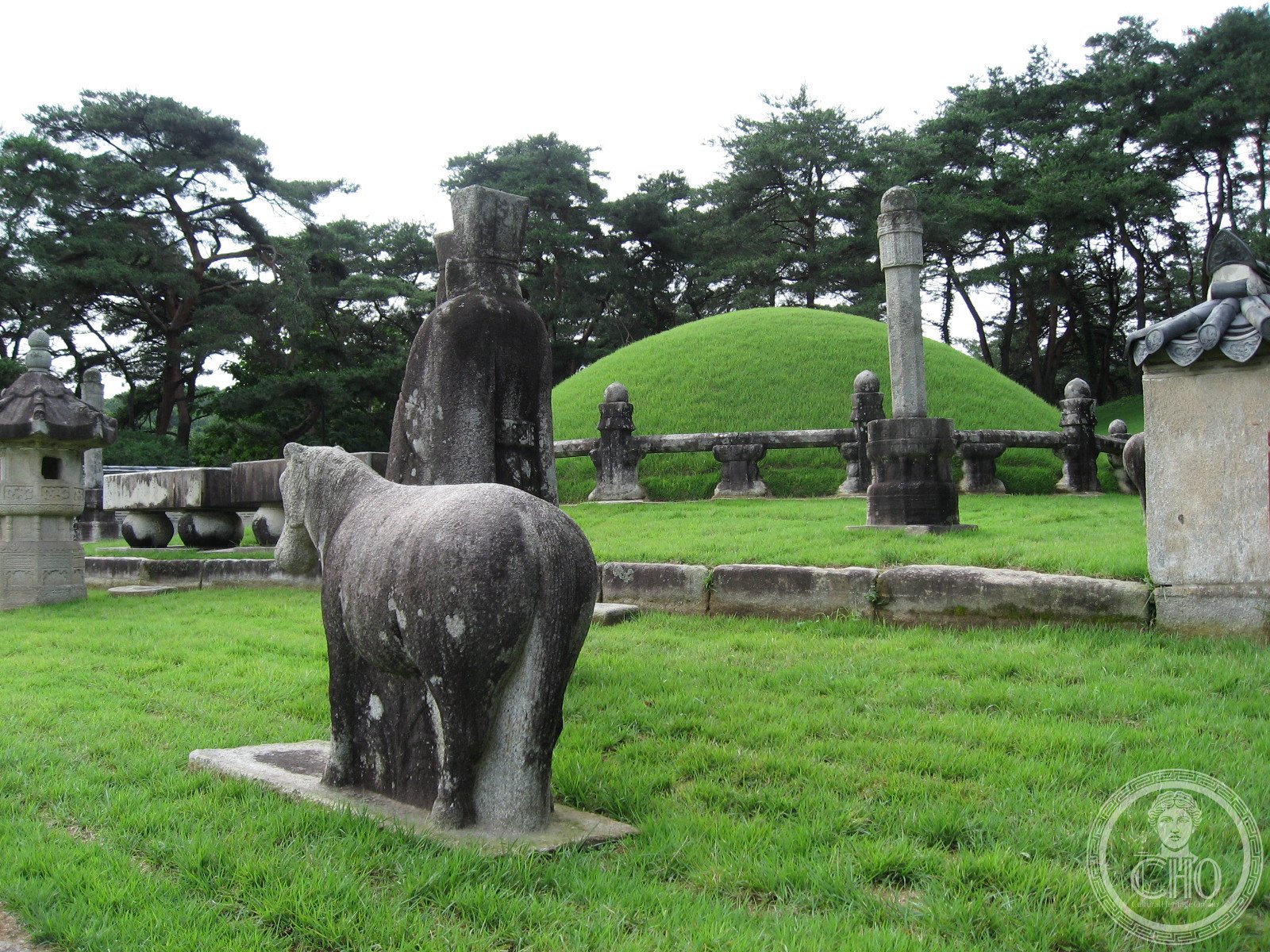
Forty royal burial sites scattered across the Korean Peninsula preserve the memory of the House of Yi, whose five-century reign shaped the nation’s cultural and political identity.
At a glance
The Royal Tombs of the Joseon Dynasty represent one of East Asia’s most extensive royal necropolis complexes. Distributed across 18 locations, these monuments honor the rulers and their consorts who governed Korea from 1392 until 1910, when Japanese colonial rule began.
History
The Joseon Dynasty emerged in 1392, founded by the House of Yi following the collapse of Goryeo rule. For over five centuries, successive monarchs and their families were interred in carefully chosen locations throughout the Korean Peninsula. Each tomb was constructed to commemorate ancestral achievement and reinforce dynastic authority—a fundamental principle of East Asian royal practice.
Two additional Joseon tombs, located in Kaesong, North Korea, exist but were not included in the World Heritage designation.
What you see
The tombs reflect the ritual and aesthetic conventions of Joseon royal burial practice. Architecture, stone sculpture, and landscape design work together to create spaces of ceremonial and ancestral significance. Each site demonstrates the continuity of dynastic values across centuries of political change.
Cultural significance
These tombs form a continuous record of Korean royal life and death spanning more than five hundred years. They illustrate the spiritual beliefs, artistic achievements, and political strategies of one of East Asia’s most enduring dynasties. The sites collectively testify to the cultural legacy of the Joseon period, which profoundly shaped Korean civilization.
Key facts
- 40 royal tombs across 18 locations
- Spans 1392–1910
- UNESCO World Heritage Site (inscribed 2009)
- Location: South Korea, coordinates 37.19°N, 128.45°E
Practical information & getting there
The tombs are distributed widely across South Korea. Many are accessible to the public and may be visited year-round. Individual sites vary in location and accessibility; we recommend planning visits in advance and consulting local tourism resources for specific directions, hours, and any entry fees.
Sources & resources
Find it on the map
See this place and what’s around it →📷 Become a Cultural Heritage Online photographer
Share your photos of places: they stay published under your name as the author. The more they're seen, the more you get noticed — and soon a contest will reward the most appreciated photos.
Log in or sign up free to add a photoIs this page about you?
This page is read by travellers and heritage enthusiasts who find it on Google. Tell us how you are connected to this place and we will take it from there.