
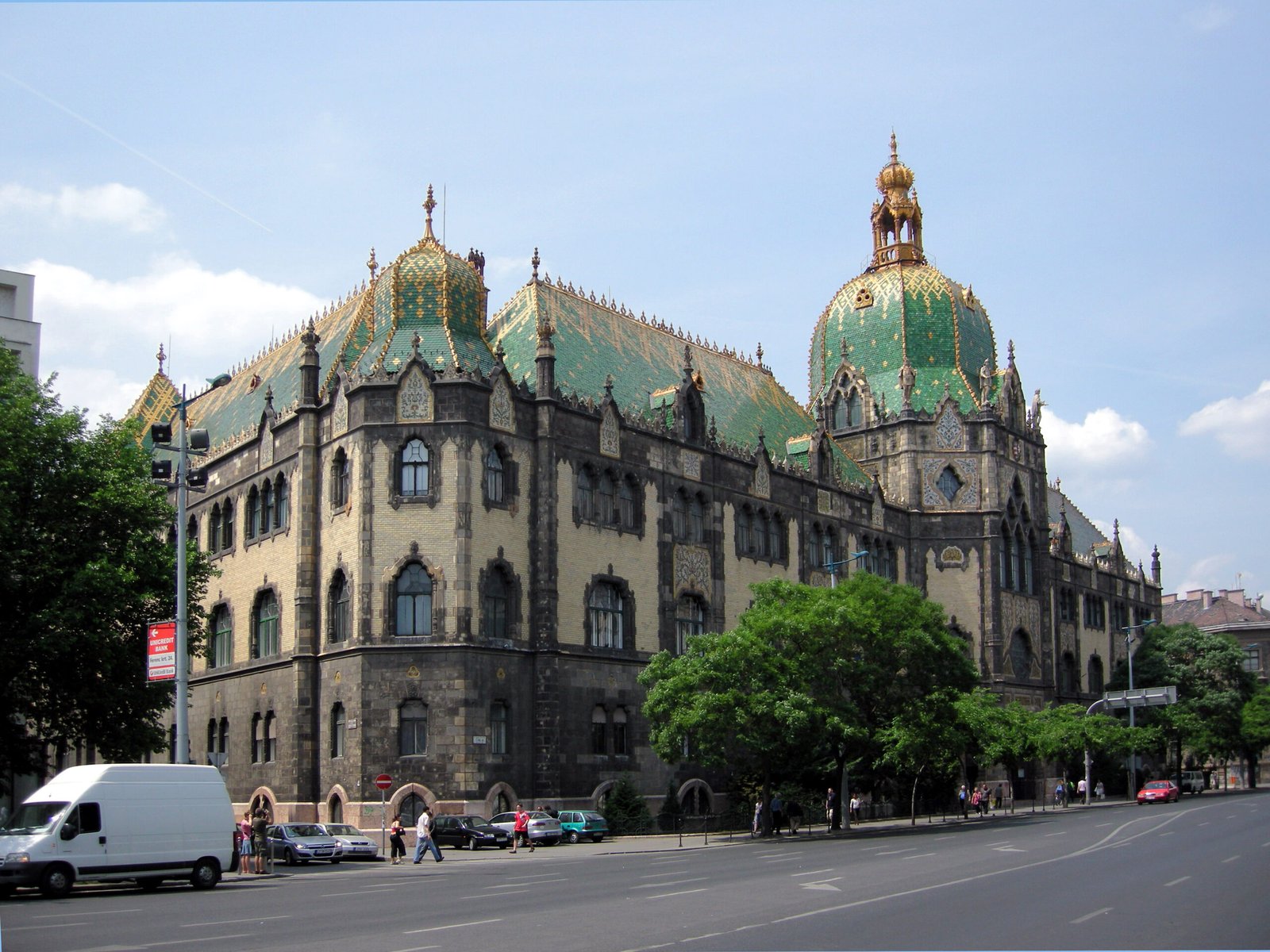
Heritage conservation volunteering opens access to hands-on work restoring buildings, cataloguing archives, and excavating archaeological sites alongside professionals. Whether you have specialist training or simply offer your time, conservation organisations worldwide seek volunteers to protect irreplaceable places—and the experience transforms how you understand cultural heritage.
Why heritage organisations need volunteers
Conservation budgets remain constrained across museums, archaeological teams, and heritage sites globally. Volunteers bridge the gap between what institutions can afford and what preservation requires. A cathedral restoration needs decades of skilled masonry; an archive of 50,000 photographs requires systematic cataloguing; an archaeological dig produces soil layers that must be documented by hand. Paid staff alone cannot stretch across these timescales. Volunteers contribute not only labour but also sustained commitment—many organisations report that volunteers who return season after season develop expertise that rivals paid conservators. The relationship runs both directions: professionals gain efficiency, and volunteers gain understanding unavailable through any guidebook.
Types of volunteer work in heritage conservation
Conservation volunteering spans far more than unskilled labour. Archaeological excavations recruit volunteers to document stratigraphic layers, process finds, and record sites—work requiring attention but not credentials. Museums employ volunteers as conservators-in-training, learning to handle textiles, paper, ceramics, and metals under supervision. Libraries and archives accept cataloguers to digitise manuscripts, photograph documents, and build databases. Building conservation sites welcome general volunteers for maintenance—pointing mortar, replacing roof tiles, or clearing overgrown gardens—and sometimes recruit specialists: stonemasons, carpenters, electricians, and structural engineers donate expertise for weeks at a time. Guided-tour programmes at historic sites depend on volunteer hosts to welcome visitors, answer questions, and protect fragile interiors. Restoration studios in historic towns hire volunteers to learn traditional techniques: lime plastering, fresco repair, gilt restoration, tapestry conservation. The diversity means almost any skill or physical ability finds a role.
Where to find volunteer opportunities
Start by searching UNESCO World Heritage sites in your region—many publish volunteer programmes on their official websites or through partner organisations. National heritage ministries, regional archaeological superintendents, and local councils host databases listing active conservation projects. International networks like ICOMOS (International Council on Monuments and Sites) curate volunteer directories, often searchable by country, site type, and skill level. Nonprofit networks such as Volunteers for Archaeology, the Archaeological Institute of America, and SOS Patrimoine coordinate placements across dozens of sites. Many museums and heritage sites manage their own volunteer intake; visit their websites directly or contact their conservation departments by email. For long-term placements, consider heritage volunteer organisations such as Global Volunteer Network or Workaway, which list extended conservation positions—some lasting months—where room, board, and training replace wage payment. University field schools and archaeological research projects often accept community volunteers; checking university archaeology departments directly can reveal seasonal opportunities.
Skills and what to expect
No single skill set defines successful heritage volunteers. Archaeological sites value patience, careful observation, and comfort with outdoor work in variable weather. Archives require precision, comfort with fragile materials, and sometimes palaeography skills—but many archives train cataloguers from scratch. Masonry conservation welcomes experienced stonemasons and absolute beginners alike, though the latter begin with simple pointing or learning traditional lime mortar composition. Textile and object conservation demands steadiness and colour vision; many conservators began as volunteers. Physical ability matters for some roles—excavation and roof work require fitness—but many organisations offer desk-based work for volunteers with mobility limits. Most heritage programmes expect volunteers to commit at least two consecutive weeks, though some accept single-week or even day placements. Training is standard. You will spend your first days learning site protocols, safety procedures, and the specific conservation technique your team practices. Expect to wear practical clothing—sturdy boots, work gloves, sometimes hard hats—and bring a willingness to repeat meticulous tasks: cleaning pottery sherds, pressing flowers in archival paper, or sweeping mortar dust. Many programmes offer evening lectures or weekend excursions to deepen understanding of the place you are conserving.
Planning your conservation volunteer placement
Begin researching six to eight weeks before your target start date. Heritage organisations book volunteers seasonally—spring and summer see highest activity, while autumn offers archaeological work before winter wet weather, and winter suits indoor archive projects. When you identify a programme, verify its credentials. Established organisations list their conservation goals, safety record, and supervisor qualifications transparently. Ask for references; speak to previous volunteers by email or phone. Clarify costs: some conservation placements are free or require only a small materials fee, while others charge room and board (typically €300–800 per week in Europe). Confirm what training you receive on arrival and whether you need vaccination or specific certifications. If working abroad, verify visa requirements—most countries exempt volunteer conservation work from work permits, but exceptions exist. Consider your physical readiness; archaeological fieldwork demands stamina, and roofwork demands fitness. Request a detailed daily schedule; some programmes expect six-hour workdays, others ten-hour stretches with midday breaks. Finally, understand the conservation goal: are you supporting a formal archaeological report, assisting a long-term restoration, or contributing to a community heritage project? Knowing the outcome makes repetitive work meaningful. Browse CHO’s magazine for profiles of working conservation sites worldwide, and explore CHO’s heritage map to discover places where volunteer programmes operate.
Frequently Asked Questions
Do I need formal training or qualifications to volunteer in heritage conservation?
Most heritage conservation programmes accept volunteers without formal training and provide instruction on-site. Archaeological excavations teach proper documentation and careful handling; conservation studios teach restoration techniques step-by-step. Some roles—such as advanced textile conservation or structural assessment—do benefit from prior experience, but the majority of volunteer work requires only willingness to learn, attention to detail, and commitment to the programme’s timeline. Always ask the organisation directly about minimum requirements.
How long must I commit to a conservation volunteer programme?
Commitment periods vary widely. Archaeological digs often run two to four weeks during field seasons. Archive cataloguing projects may accept volunteers for single weeks or flexible month-long placements. Building restoration sites sometimes welcome volunteers for ongoing projects, allowing stays of one week to several months. Check with each organisation for their standard commitment window and whether shorter or longer placements are negotiable.
Is heritage conservation volunteering free, or do I pay to participate?
Some programmes are entirely free, particularly local community heritage projects and university research sites. Others charge modest daily or weekly fees (€50–100 per week) to cover materials. Residential conservation placements typically require room and board fees (€300–800 weekly in Europe), though meals and accommodation are included. Research each programme’s cost structure before applying, and ask whether scholarships or reduced fees are available for volunteers with financial constraints.
What should I pack for a heritage conservation placement?
Bring sturdy work boots, work gloves, practical clothing suitable for outdoor or dusty indoor environments, and sun protection. Many sites provide safety equipment such as hard hats or high-visibility vests. Pack personal items: medications, toiletries, comfortable off-work clothing, and any items specific to your climate (rain jacket for wet seasons, sun hat for archaeological digs). Ask your host organisation for a detailed packing list—they know local conditions and exact safety requirements.
Sources: UNESCO World Heritage programme, UNESCO World Heritage Volunteer Opportunities · ICOMOS International, International Council on Monuments and Sites · Volunteers for Archaeology UK, Getting Involved in Archaeology · UNWTO Cultural Heritage tourism guidelines · Cultural Heritage Online
Sources
- S1 — Howard, Peter. Heritage: Management, Interpretation, Identity. Continuum, 2003. ISBN 978-0-8264-5898-8.
- S2 — Lowenthal, David. The Past Is a Foreign Country. Cambridge University Press, 1985. ISBN 978-0-521-29480-5.
Spotted an error? Write to editorial@culturalheritageonline.com and we correct it the same day.