
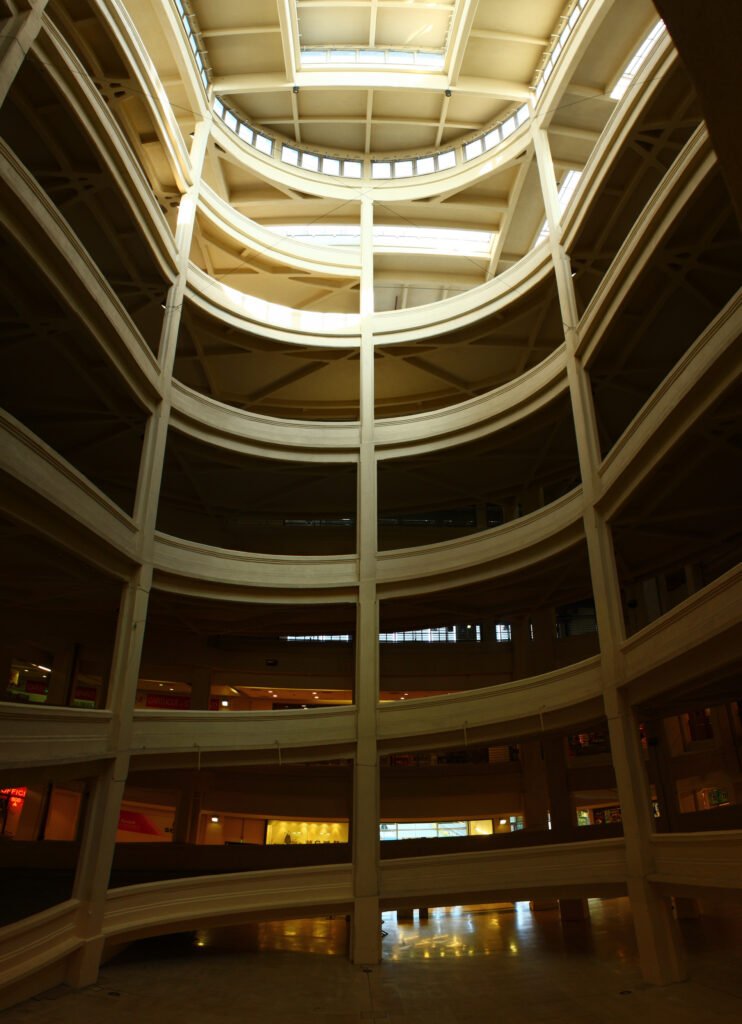
Turin Between the Wars: Art Déco, Rationalism and Italy’s First Skyscraper
Turin built Italy’s first skyscraper, raced cars on a factory roof and modernised over vermouth and espresso. Walk the city’s lean inter-war architecture in a day.

Luigi De Marchi, architect, is the editor and publisher of Cultural Heritage Online. He founded the archive in 1998 as beniculturalionline.it and has published it without interruption since.
Contributions: 6 articles · 1,209 heritage places · 8 itineraries · 2 road-books
Published on beniculturalionline.it, the Italian archive of this publication, online since 1998. They are being brought into Cultural Heritage Online.
Turin built Italy’s first skyscraper, raced cars on a factory roof and modernised over vermouth and espresso. Walk the city’s lean inter-war architecture in a day.
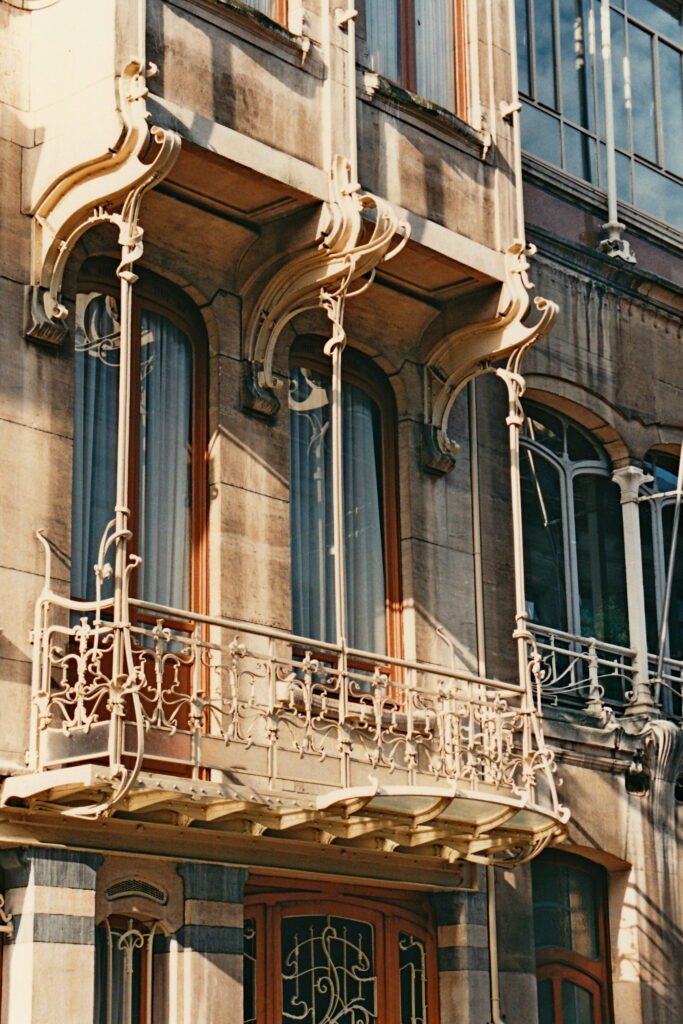
Art Nouveau did not begin in Paris or Vienna. It began here in 1893, on two quiet Brussels streets, in the iron and glass of a young engineer-architect named Victor Horta. This is a day spent walking the city that invented it.

The Gabinete Literario, Las Palmas’ oldest cultural society, wears a Modernista façade with twin domed towers designed by Fernando Navarro and Rafael Massanet.

Francisco Mora Berenguer built Casa Ordeig on the corner of Valencia’s market square in 1907, a Modernista house dressed in neo-Gothic detail borrowed from the silk exchange next door.

Félix Navarro’s iron-and-glass market hall of 1903, inspired by the Halles of Paris, is one of the great Modernista buildings of Aragon.

Víctor Beltrí remodelled the Cartagena home of the Dorda mining family in 1908, a Modernista façade over a Moorish courtyard of horseshoe arches.

Enrique Nieto designed the apartment block at López Moreno 14 in Melilla in 1924, a modernist front of local stone and brick set on five elliptical ground-floor arches.

A military commissary of 1907 that Enrique Nieto reclothed in modernism in 1915, the Antiguo Economato Militar is one of the boldest Modernista fronts on Melilla’s avenue.

Enrique Nieto built the Casino Español in Melilla from 1911 and raised it twice more, in 1917 and 1924; it still houses the city’s oldest social club.

Enrique Nieto, Gaudí’s former collaborator, built the La Reconquista department store on Melilla’s main avenue in 1915–1917, among the finest works of the city’s floral modernism.