

Town Hall of Ostia
A 1930s civic building designed by Vincenzo Fasolo, Ostia’s Town Hall stands as a symbol of the town’s modern urban development during the early twentieth century.
A 1930s civic building designed by Vincenzo Fasolo, Ostia’s Town Hall stands as a symbol of the town’s modern urban development during the early twentieth century.

A 1925 administrative building on Via Nomentana, the Ministry of Infrastructure and Transport represents functional interwar civic architecture in Rome.
A Mediterranean pine forest near Rome transformed into a protected park in 1933, now a rare green space between the capital and the Tyrrhenian coast.
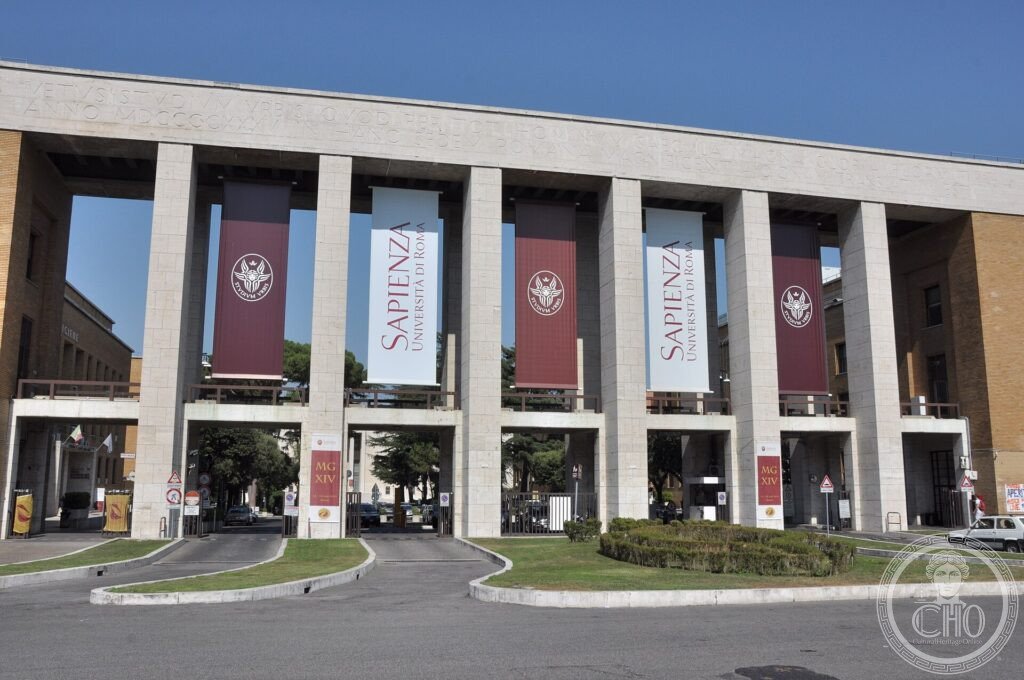
A unified academic campus built 1932–1935 under architect Marcello Piacentini’s direction, representing institutional modernism in Rome.

A 1928 modernist church in Lido di Ostia designed by Giulio Magni, commissioned to invoke Mary’s intercession for peace during European conflict.
An ancient Roman city and medieval crossroads in Campania, Avellino rose to prominence under Renaissance countess Maria de Cardona and served as a center of Italian liberal revolution in 1820–1821.
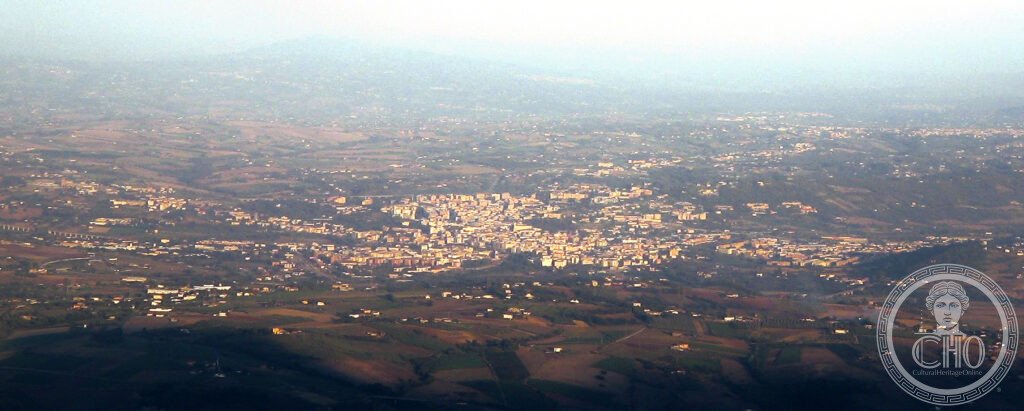
Benevento evolved from Samnite stronghold through Roman prosperity, Lombard duchy, and papal enclave to modern Italian city, rebuilt repeatedly after earthquake and war. Home to the UNESCO-listed church of Santa Sofia.
Medieval Calabrian port city shaped by Byzantine, Aragonese, and Spanish rule. Its castle, aqueduct, and archaeological layers reveal centuries of strategic occupation and industrial transformation.

Ancient Teramo, capital of the Aprutium region, preserves Roman remains and 12th-century cathedral architecture within its layered medieval and Renaissance urban landscape.
Roman colony, Renaissance court, wartime survivor: Rimini weaves imperial monuments, artistic legacy, and modern tourism into a layered Adriatic identity.