
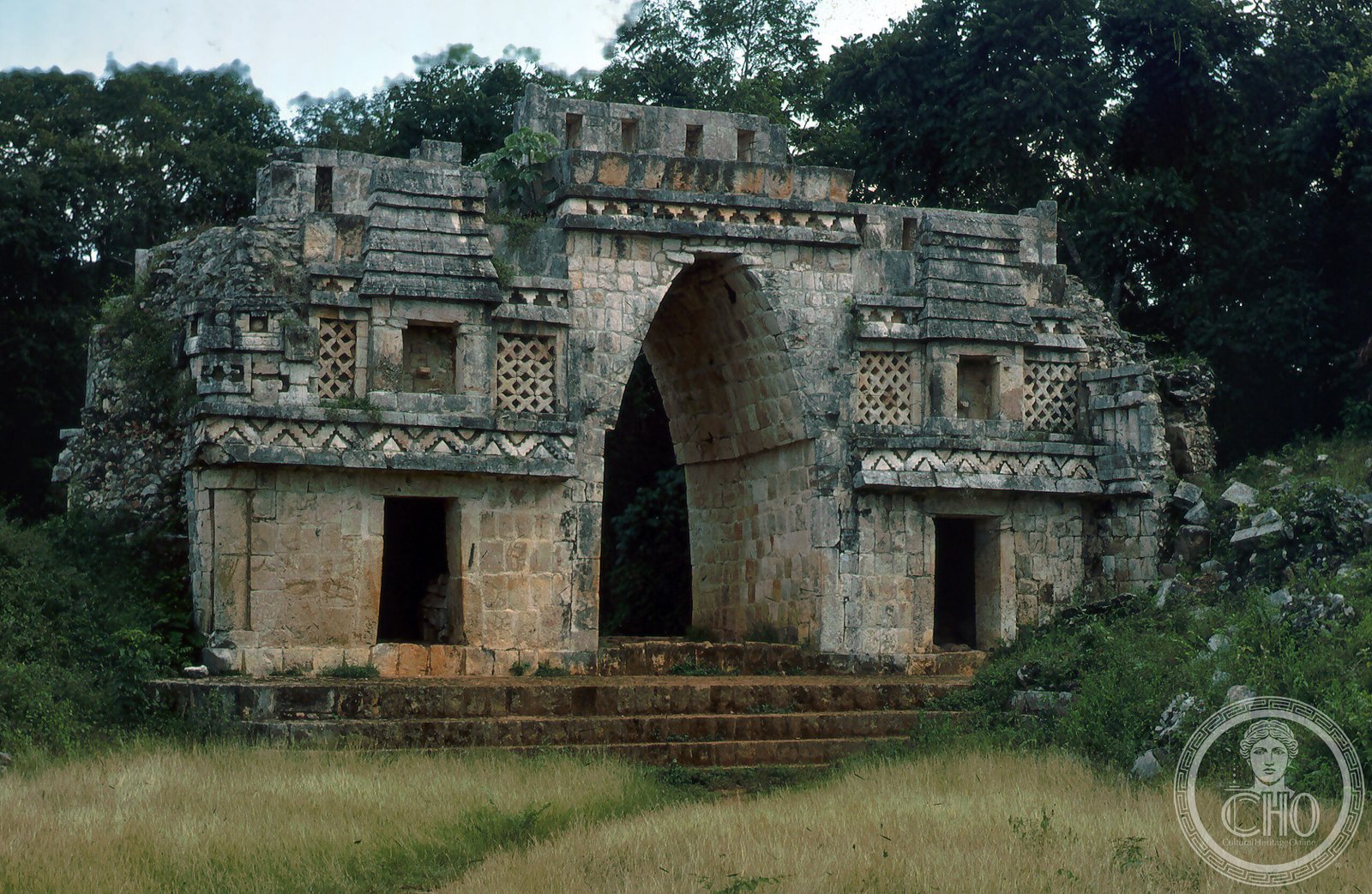
Labna
A Maya ceremonial center in the Puuc Hills, Labna ranks among the Yucatán Peninsula’s most significant pre-Columbian sites, celebrated for its refined architectural style and sculptural ornamentation.
At a glance
Labna is a well-preserved Maya archaeological complex south of Uxmal in southwestern Yucatán. The site showcases the distinctive Puuc architectural tradition, characterized by intricate stone mosaics and geometric patterns. Its temples, palaces, and ceremonial structures reflect the sophistication of Maya urban planning and artistic achievement.
History
Labna flourished as a major ceremonial center during the pre-Columbian Maya era. The site’s development and prominence correspond with the broader cultural achievements of the Puuc region, though detailed chronologies remain incomplete. Labna, Sayil, and Kabah were collectively recognized as a UNESCO World Heritage Site in 1996, acknowledging their shared cultural significance.
What you see
The site features characteristic Puuc design: finely cut stone blocks arranged in repetitive patterns, creating a distinctive visual rhythm across facades. Carved ornaments and sculptural reliefs adorn key structures. Labna’s architecture demonstrates the Maya mastery of proportion, decoration, and monumental construction without mortar in most joints.
Cultural significance
Labna exemplifies the height of Maya architectural innovation during the pre-Columbian period. As part of the Puuc region’s cluster of sites, it illustrates the interconnected nature of Maya settlements and their shared aesthetic principles. The site remains vital to understanding Maya civilization’s urban development and artistic traditions.
Key facts
- Location: Southwestern Yucatán, Mexico, south of Uxmal
- Coordinates: 20.1725, −89.579
- UNESCO World Heritage Site: Yes (inscribed 1996, as part of the Uxmal group)
- Region: Puuc Hills, Yucatán Peninsula
Practical information & getting there
Labna is accessible from the town of Uxmal in Yucatán State. The site is typically visited as part of a tour of the Puuc region’s archaeological circuit. Consult local tourism authorities for current hours, entry fees, and guided-tour availability before your visit.
Sources & resources
Find it on the map
See this place and what’s around it →📷 Diventa un fotografo di Cultural Heritage Online
Condividi le tue foto dei luoghi: restano pubblicate con la tua firma come autore. Più vengono viste, più ti fai conoscere — e presto un concorso premierà le foto più apprezzate.
Accedi o registrati gratis per aggiungere una fotoDo you manage this place?
This page is read by travellers and heritage enthusiasts who find it on Google. Keep it accurate — and make it work for you. Free for non-profit heritage institutions.