
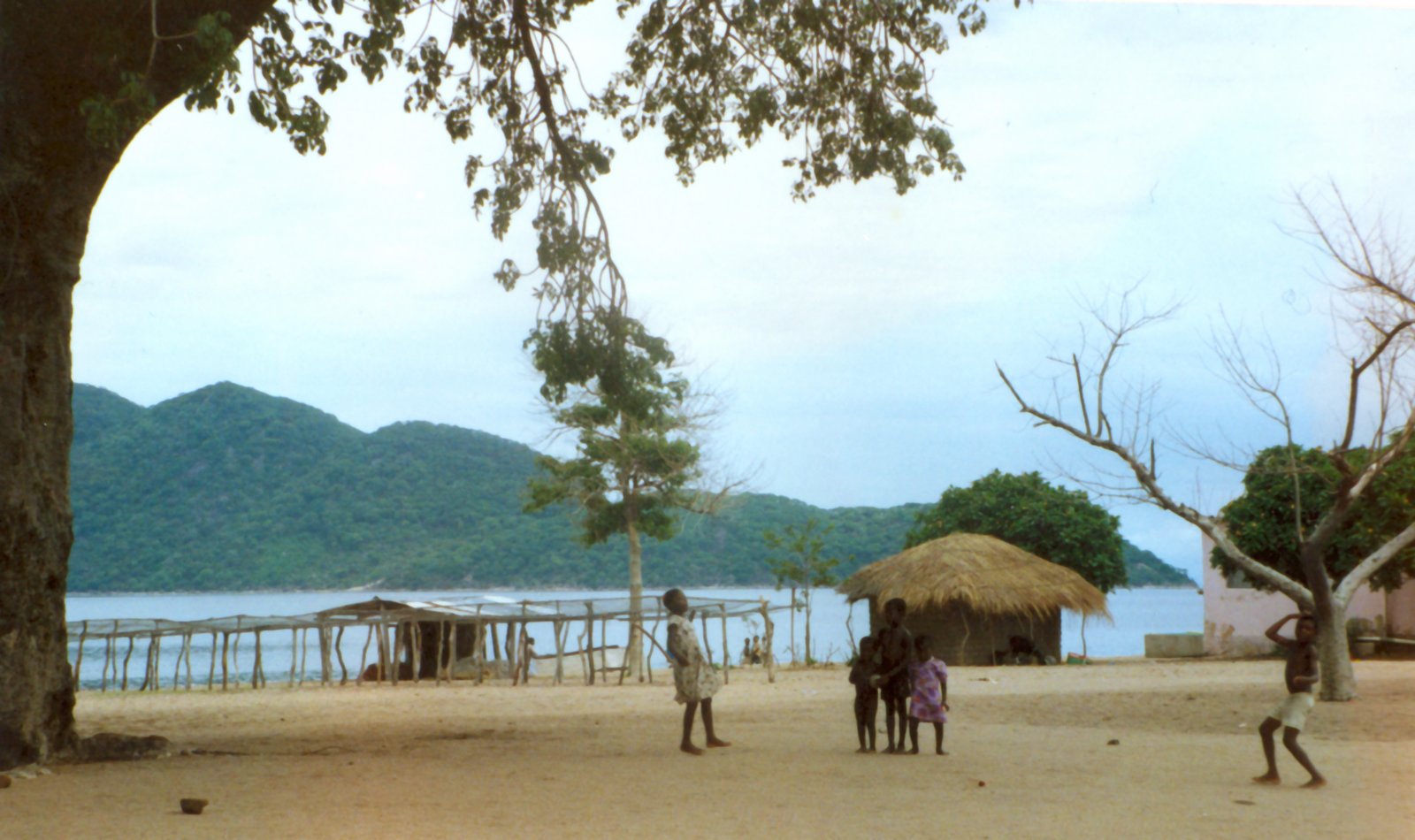
Africa’s first national park dedicated to protecting fish and aquatic ecosystems, Lake Malawi National Park showcases one of the world’s most remarkable examples of evolutionary diversity through its endemic cichlid populations.
At a glance
Located at the southern end of Lake Malawi, this UNESCO World Heritage Site protects the lake’s crystal waters, rocky islands, foreshore, and headland habitats. The park encompasses both terrestrial and aquatic zones, though its singular purpose—safeguarding fish and aquatic life—sets it apart among Malawi’s protected areas.
History
Lake Malawi National Park was inscribed as a UNESCO World Heritage Site in 1984. The designation recognized the site’s global importance for biodiversity conservation, particularly the extraordinary fish diversity that makes it scientifically significant.
What you see
The park’s landscape combines rugged, craggy terrain with pristine water. Rocky islands punctuate the lake’s surface, while the foreshore and headland create dramatic transitions between land and water. The clarity of the lake itself—the dominant feature—reveals the aquatic world beneath.
Cultural significance
Lake Malawi National Park stands as a living laboratory of evolution. The mbuna, as locals call the cichlid fish, demonstrate speciation and adaptive radiation in real time—an outstanding example of evolutionary processes. This biodiversity holds global scientific value. The park’s natural beauty, with its interplay of water and craggy landscape, completes its appeal.
Key facts
- Country: Malawi
- Coordinates: 14.03°S, 34.88°E
- UNESCO World Heritage Site: inscribed 1984
- Primary protection focus: fish and aquatic habitats
Practical information & getting there
The park occupies the southern reaches of Lake Malawi. Access details and visiting hours are best confirmed with Malawi’s Department of National Parks and Wildlife or current travel resources before your visit.
Sources & resources
Find it on the map
See this place and what’s around it →📷 Become a Cultural Heritage Online photographer
Share your photos of places: they stay published under your name as the author. The more they're seen, the more you get noticed — and soon a contest will reward the most appreciated photos.
Log in or sign up free to add a photo