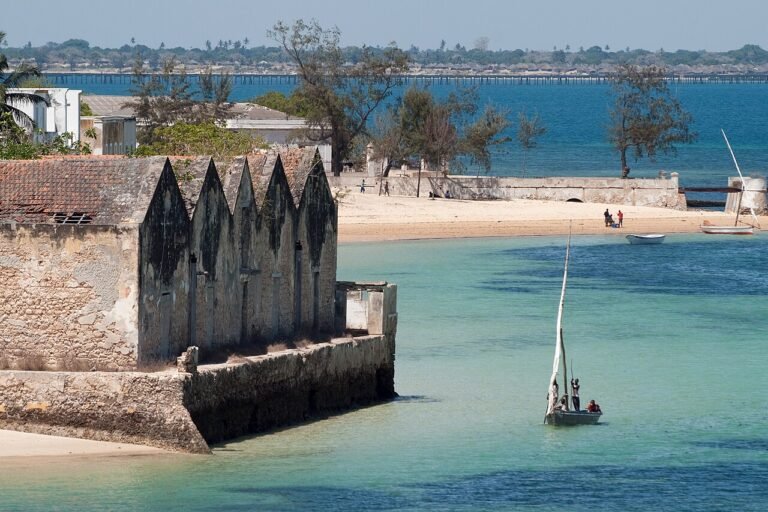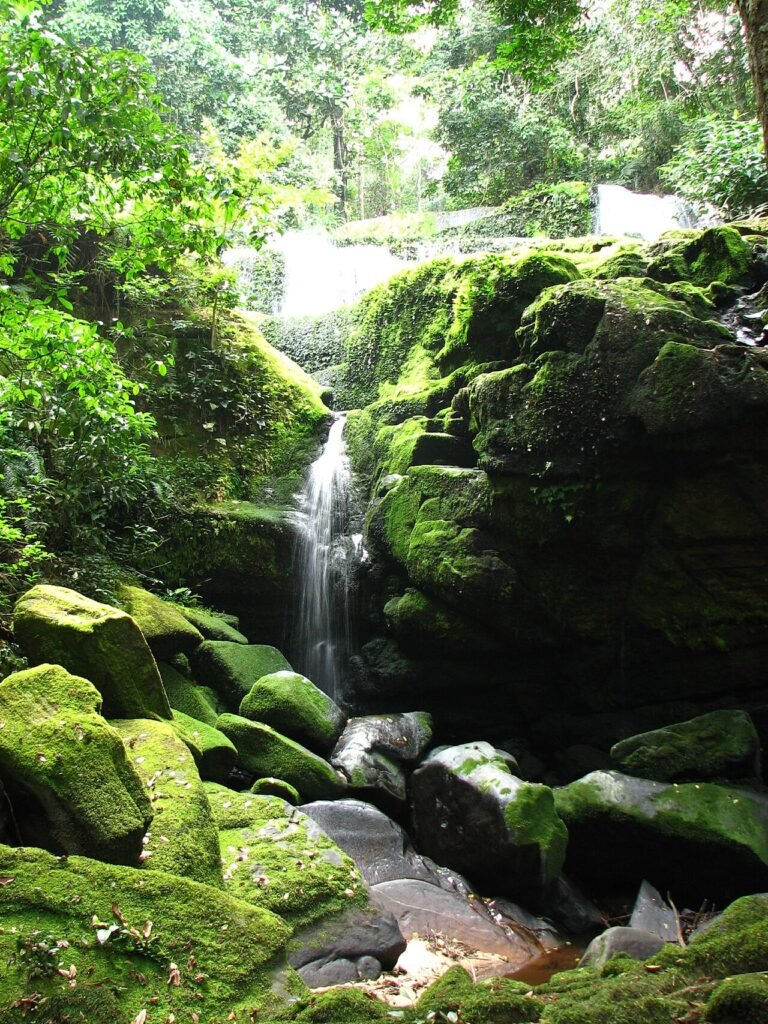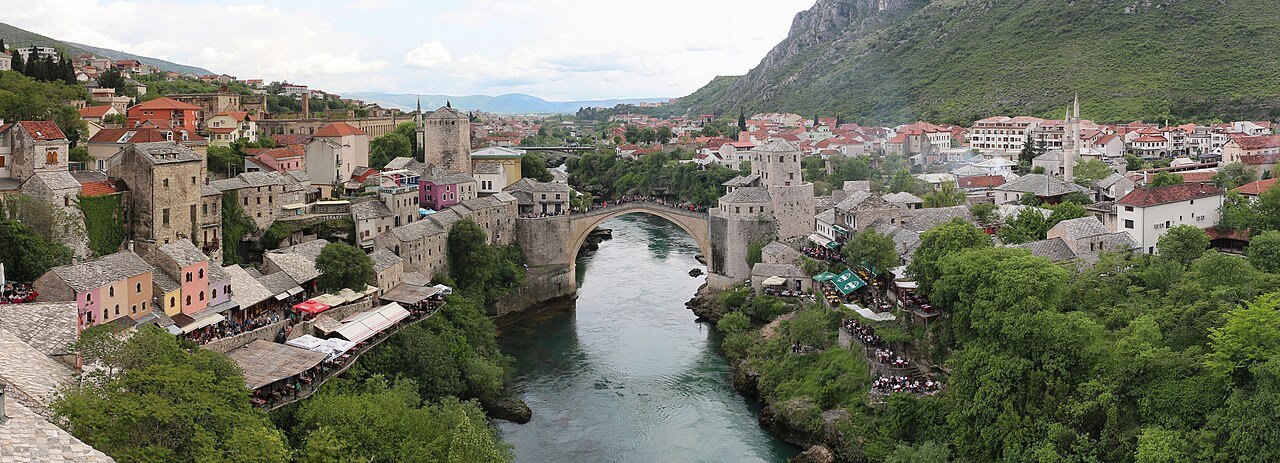
The Balkans is home to over 70 UNESCO World Heritage Sites across ten countries, a density of layered civilisation that stretches from the Bronze Age Minoan palaces of Crete to the post-war reconstruction of Mostar’s sixteenth-century Ottoman bridge. Ancient Greek sanctuaries, Byzantine monasteries, primeval beech forests, Venetian coastal fortifications, and Thracian rock reliefs share a peninsula defined as much by geological drama as by millennia of trade, faith, and conflict. This guide maps every inscription across the region and points you toward the deeper editorial coverage on each country. From Cultural Heritage Online.
The shape of the Balkans’s World Heritage list
The ten countries covered here — Greece, Croatia, Bulgaria, Romania, Serbia, Albania, Bosnia and Herzegovina, Montenegro, North Macedonia, and Slovenia — hold a combined 71 inscriptions when each country’s share of transnational sites is counted individually. The list is heavily weighted toward cultural heritage: the great majority of inscriptions recognise outstanding universal value through architecture, archaeology, or living cultural traditions. Natural sites, while fewer, include some of the continent’s most ecologically significant landscapes.
The oldest inscriptions date to 1979, when Croatia’s Plitvice Lakes National Park, Dubrovnik’s old city, and the natural and cultural region of Kotor in Montenegro all entered the list in the same session. The most recent inscription in the region is Greece’s Minoan Palatial Centres, added in 2025 — recognising the Bronze Age palace complexes of Knossos, Phaistos, Malia, Zakros, and Galatas as a serial site on Crete. Between those two poles, the list has grown steadily, with 2016 and 2017 producing a notable cluster of transnational inscriptions.
Countries with the most inscriptions
Greece leads the region with 20 inscribed sites, the largest portfolio in South-Eastern Europe. Eighteen are classified as purely cultural; the remaining two — Meteora and Mount Athos — carry mixed criteria, recognised for both their monastic built heritage and their exceptional natural setting. The roster runs from the fifth-century BC Temple of Apollo Epicurius at Bassae, inscribed in 1986, to the Zagori Cultural Landscape added in 2023 and the Minoan Palatial Centres in 2025.
Croatia and Bulgaria each hold ten sites. Croatia balances eight cultural inscriptions — including the historic cores of Dubrovnik, Split, and Trogir — with two natural sites: Plitvice Lakes and the Croatian component of the Ancient and Primeval Beech Forests of the Carpathians. Bulgaria’s ten sites span medieval frescoed churches, a unique Thracian equestrian relief carved into a cliff face, Ottoman-era urban fabric at Nessebar, and three natural properties including the Pirin and Rila mountain ecosystems. Romania follows with nine inscribed properties, ranging from the painted exterior churches of Moldavia to the vast Danube Delta.
Cross-border and serial sites
Several of the region’s most significant inscriptions cross national borders. The Stećci Medieval Tombstones Graveyards, inscribed in 2016, is a serial transnational site shared by Bosnia and Herzegovina, Croatia, Serbia, and Montenegro. It encompasses 28 groups of medieval necropoli distinguished by monumental stone slabs — stećci — decorated with figural carvings, spirals, and heraldic motifs, representing a funerary tradition with no direct parallel elsewhere in Europe. Bosnia and Herzegovina contains the largest cluster of listed sites within this inscription.
The Ancient and Primeval Beech Forests is the region’s broadest serial transnational site, now spanning 18 European countries and including components in Albania, Bulgaria, Croatia, North Macedonia, Romania, and Slovenia. First inscribed in 2017 and expanded in 2021, the property documents the post-glacial recolonisation of Europe by beech and the ecological complexity of undisturbed temperate forest. The Natural and Cultural Heritage of the Ohrid Region — centred on Lake Ohrid and the historic town of the same name — is a mixed site shared between North Macedonia and Albania, extended to include the Albanian shore in 2019. The Venetian Works of Defence between the fifteenth and seventeenth centuries links fortifications in Croatia and Montenegro with sites in Italy, tracing the logistical reach of the Serenissima along the eastern Adriatic.
Natural and mixed-criteria sites
Natural inscriptions are concentrated in a few countries. Croatia’s Plitvice Lakes National Park, on the list since 1979, protects a sequence of sixteen terraced lakes connected by waterfalls and tufa barriers — a dynamic carbonate system still actively reshaping itself. Bulgaria’s three natural sites cover contrasting ecosystems: the wetland bird sanctuary of Srebarna near the Danube, and the high-altitude forests and wildlife corridors of Pirin and the Rila massif. Slovenia’s Škocjan Caves, inscribed in 1986, protect one of the world’s most significant karst underground systems, with a canyon over 150 metres deep carved by the Reka River.
Mixed sites — carrying both cultural and natural criteria — are comparatively rare. Greece’s Meteora recognises the extraordinary monasteries built atop freestanding rock pillars above the Thessalian plain alongside the geological singularity of the landscape itself. Mount Athos, on the Halkidiki peninsula, holds the same dual status: the autonomous monastic community and its thousand-year-old built fabric are inseparable from the forested mountain ridge that has remained largely undisturbed since the medieval period. The Ohrid Region in North Macedonia and Albania is the third mixed inscription in the region, where the endemism of a lake that has existed for over three million years sits alongside a dense concentration of early Christian and Byzantine monuments.
Explore the Balkans’s UNESCO heritage
CHO maintains individual country guides to every UNESCO inscription in the region, with GPS coordinates, sourced editorial histories, and links to related itineraries. Each guide below covers the full national list:
- Croatia (10 sites)
- Greece (20 sites)
- Romania (9 sites)
- Bulgaria (10 sites)
- Serbia (5 sites)
- Albania (4 sites)
- Bosnia and Herzegovina (2 sites)
- Montenegro (4 sites)
- North Macedonia (2 sites)
- Slovenia (5 sites)
Every site in this list is pinpointed on CHO’s interactive heritage map, with GPS coordinates and sourced editorial history. See our guide to UNESCO World Heritage criteria, and our piece on cultural travel beyond mass tourism.
Frequently Asked Questions
How many UNESCO World Heritage Sites does the Balkans have?
Across the ten countries covered in this guide — Greece, Croatia, Bulgaria, Romania, Serbia, Albania, Bosnia and Herzegovina, Montenegro, North Macedonia, and Slovenia — there are over 70 UNESCO World Heritage inscriptions in total when each country’s share of transnational and serial sites is counted individually. The figure reflects a region of exceptional cultural and natural density, from Aegean Bronze Age civilisations to continental beech forest ecosystems.
Which country in the Balkans has the most UNESCO World Heritage Sites?
Greece leads the region with 20 inscribed properties, the largest portfolio in South-Eastern Europe. Its list spans more than three thousand years of heritage, from the Bronze Age palace sites of Crete to nineteenth-century urban landscapes and Byzantine monasteries that remain active religious communities today. The second-placed countries are Croatia and Bulgaria, each with ten inscriptions.
What is the oldest UNESCO inscription in the Balkans?
Several sites share the earliest inscription date: 1979, the second year of the World Heritage Convention’s operational list. Croatia’s Plitvice Lakes National Park, the Historical Complex of Split with Diocletian’s Palace, the Old City of Dubrovnik, and the Natural and Culturo-Historical Region of Kotor in Montenegro were all inscribed at the third session of the World Heritage Committee. The Ohrid region in North Macedonia and the medieval monuments of Stari Ras in Serbia also date from 1979.
What makes the Stećci tombstones a significant transnational World Heritage Site?
Inscribed in 2016, the Stećci Medieval Tombstones Graveyards is a serial site encompassing 28 groups of medieval necropoli spread across Bosnia and Herzegovina, Croatia, Serbia, and Montenegro. The monuments — large carved stone slabs with distinctive decorative programmes including figural scenes, spirals, and crosses — represent a funerary tradition that flourished between the twelfth and sixteenth centuries with no close parallel elsewhere in Europe. Bosnia and Herzegovina contains the greatest concentration of listed sites, including the extensive Radimlja cemetery.
Sources used in this article
- UNESCO — List of World Heritage Sites in the Balkans.
- CHO magazine — What is a World Heritage Site?
- CHO — Interactive map of heritage sites.