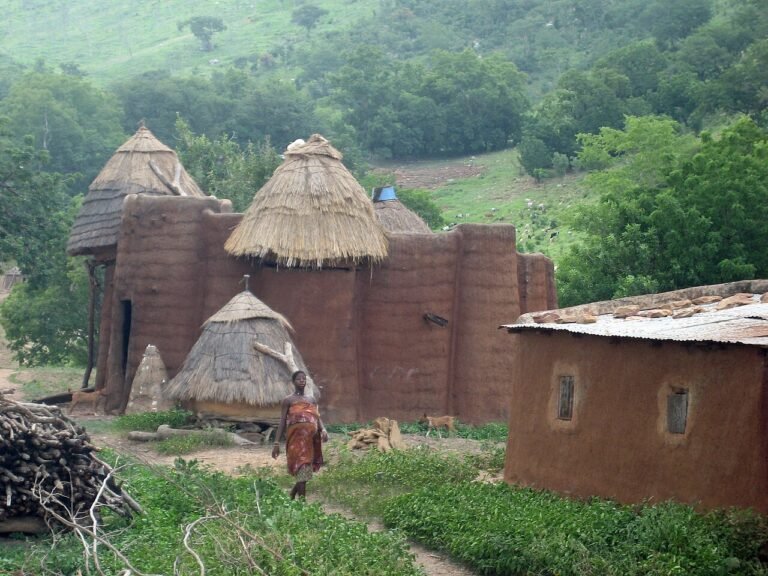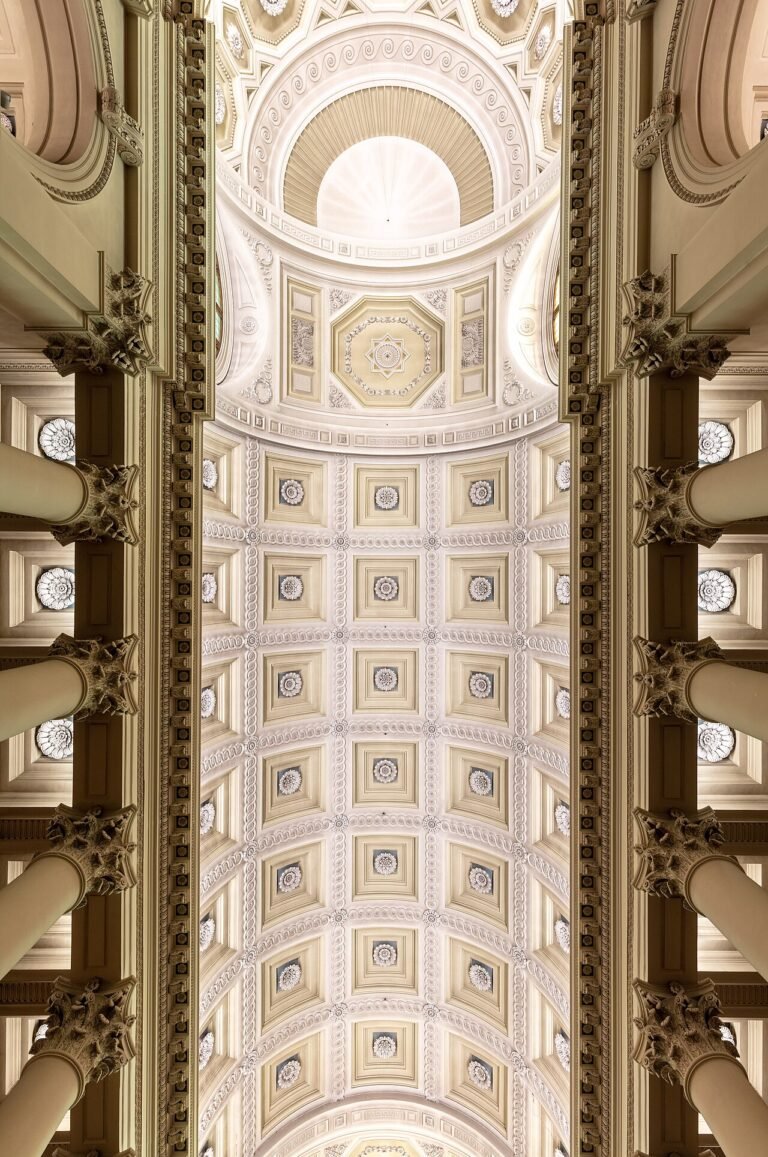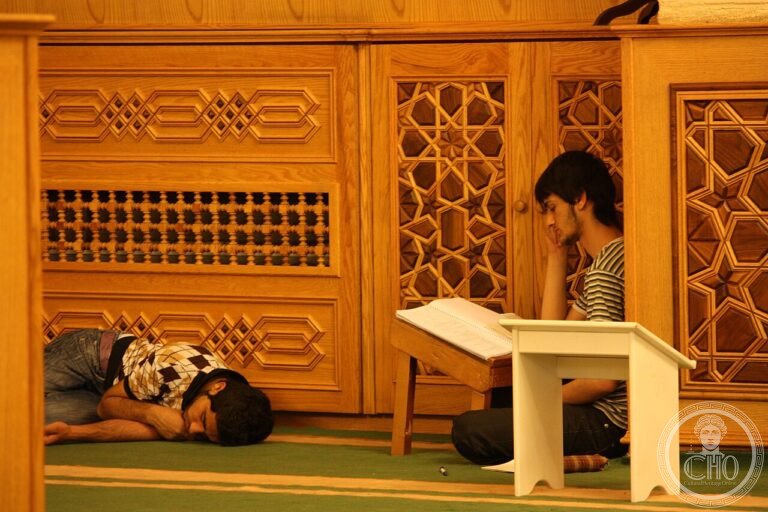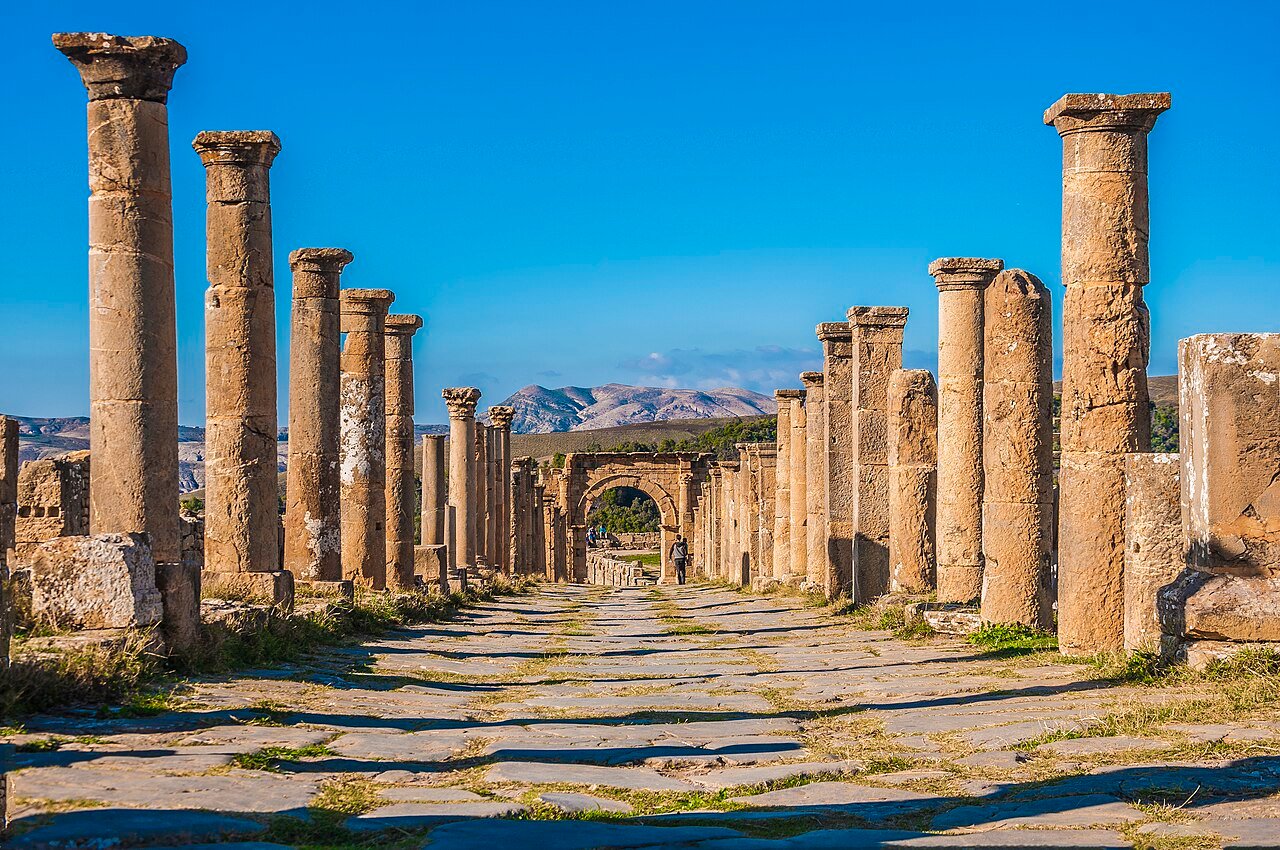
Algeria has 7 UNESCO World Heritage Sites, a compact list that spans Roman cities frozen at their imperial peak, a medieval Islamic fortress-capital, a Saharan plateau covered in thousands of years of rock art, and a hillside citadel that once defined Mediterranean urbanism. From Cultural Heritage Online.
Why Algeria’s list looks the way it does
Seven sites from a country the size of Western Europe may seem few, but the selection reflects a deliberate pattern: six inscriptions in the early 1980s, a single addition in 1992, and then silence. Algeria’s nominations slowed as the country entered a period of political instability through the 1990s, and the list has not grown since. The sites that were captured early, however, are exceptionally strong, covering Roman urbanism, Berber and Islamic heritage, and prehistoric art within a single national portfolio.
The breakdown is six cultural sites and one mixed cultural-natural site — Tassili n’Ajjer — which earned its dual designation for both its geological formations and a concentration of rock paintings spanning roughly twelve millennia. There are no purely natural inscriptions on Algeria’s list, a gap that contrasts sharply with countries of comparable landscape diversity.
The first inscriptions
Algeria’s first World Heritage inscription came in 1980, with a site that most visitors to North Africa never reach:
- Al Qal’a of Beni Hammad (1980) — the first capital of the Hammadid dynasty, founded in 1007 CE in the highlands of northern Algeria, now largely ruins but preserving one of the largest surviving mosques of the medieval Islamic world.
The following year, 1982, saw a remarkable burst of five simultaneous inscriptions in a single cycle:
- Tassili n’Ajjer — the vast sandstone plateau in the eastern Sahara
- M’Zab Valley — five fortified Ibadite ksour villages built from the eleventh century onward
- Djémila — a Roman city set at 900 metres altitude in the mountains of northern Algeria
- Tipasa — a Punic trading post later enlarged under Roman and then early Christian rule, now partly submerged by coastal erosion
- Timgad — a Roman military colony founded by Emperor Trajan in 100 CE, its grid plan still legible from the air
The most visited — and the alternatives
Timgad and Djémila draw the largest share of heritage visitors. Timgad’s fame rests on completeness: the original Trajanic grid of streets, forum, theatre, and triumphal arch is so well preserved that it reads almost as a diagram of Roman colonial urbanism. Djémila offers a different experience — a city that grew organically up a mountain spur, with temples, baths, and a Christian basilica layered across terrain that no Roman surveyor could have forced into a standard grid.
The alternatives reward curiosity. Al Qal’a of Beni Hammad is rarely described in mainstream travel guides despite being Algeria’s first inscribed site; its isolation in the Hodna mountains keeps visitor numbers low. The M’Zab Valley presents five distinct hilltop ksour — Ghardaïa, Beni Isguen, El Atteuf, Melika, and Bou Noura — built by the Ibadite Muslim community on a disciplined urban logic that influenced twentieth-century architects including Le Corbusier. Tipasa is perhaps the most atmospheric site on the coast, its ruins spreading down to the sea, with a context that combines Punic foundations, Roman monuments, and early Christian basilicas within walking distance of each other.
Natural and shared sites
Tassili n’Ajjer stands apart from every other entry on Algeria’s list. The plateau in the far southeast — covering roughly 72,000 square kilometres — holds one of the world’s densest concentrations of prehistoric rock art: paintings and engravings that record Saharan fauna, domestic life, and symbolic imagery from periods when the region was far wetter than it is today. The geological substrate of Precambrian rocks and eroded sandstone formations earned the site its natural dimension alongside the cultural one.
Algeria’s list includes no transnational or serial inscriptions. All seven sites are solely Algerian nominations, which makes the list easier to read as a national portrait but also suggests that future cross-border proposals — potentially linking Saharan rock art traditions across Algeria, Libya, and Niger — could significantly deepen the country’s representation on the World Heritage register.
How to find them
Most of Algeria’s World Heritage sites lie in the northern third of the country and are reachable by road from Algiers, Constantine, or Sétif. Timgad and Djémila are the most accessible, each within a few hours of major northern cities. Al Qal’a of Beni Hammad requires a longer detour into the highlands but can be combined with M’Zab Valley on a southern circuit. Tassili n’Ajjer is a serious logistical undertaking — the plateau is reached from Djanet, in the far southeast, and access requires guided desert travel.
Algeria’s World Heritage sites sit alongside thousands of other places on CHO’s interactive map, with GPS and sourced editorial history for each. See also our guides to Italy’s and France’s UNESCO sites, and our piece on cultural travel beyond mass tourism.
Frequently Asked Questions
How many UNESCO World Heritage Sites does Algeria have?
Algeria has 7 UNESCO World Heritage Sites. Six are classified as cultural and one — Tassili n’Ajjer — holds a mixed cultural and natural designation for its combination of prehistoric rock art and significant geological formations.
What was Algeria’s first UNESCO World Heritage Site?
Al Qal’a of Beni Hammad was Algeria’s first World Heritage Site, inscribed in 1980. It preserves the ruins of the Hammadid dynasty’s original capital in the northern highlands, including the remains of one of the largest mosques built in the medieval Islamic world.
What is the most recently inscribed World Heritage Site in Algeria?
The Kasbah of Algiers was inscribed in 1992, making it the most recent addition to Algeria’s list. The historic citadel and medina sit above the Bay of Algiers and represent a layered urban fabric stretching from the Ottoman period back through earlier Islamic and Byzantine occupation.
Does Algeria have any natural UNESCO World Heritage Sites?
Algeria has no purely natural World Heritage Sites. Tassili n’Ajjer is the single mixed-category inscription, recognised for both its prehistoric rock art — among the most extensive in the world — and its Precambrian and sandstone geological structures in the eastern Sahara.
Sources used in this article
- UNESCO — State Party Algeria — World Heritage list.
- UNESCO — Algeria: World Heritage Sites.
- CHO magazine — What is a World Heritage Site?
- CHO — Interactive map of heritage sites.