
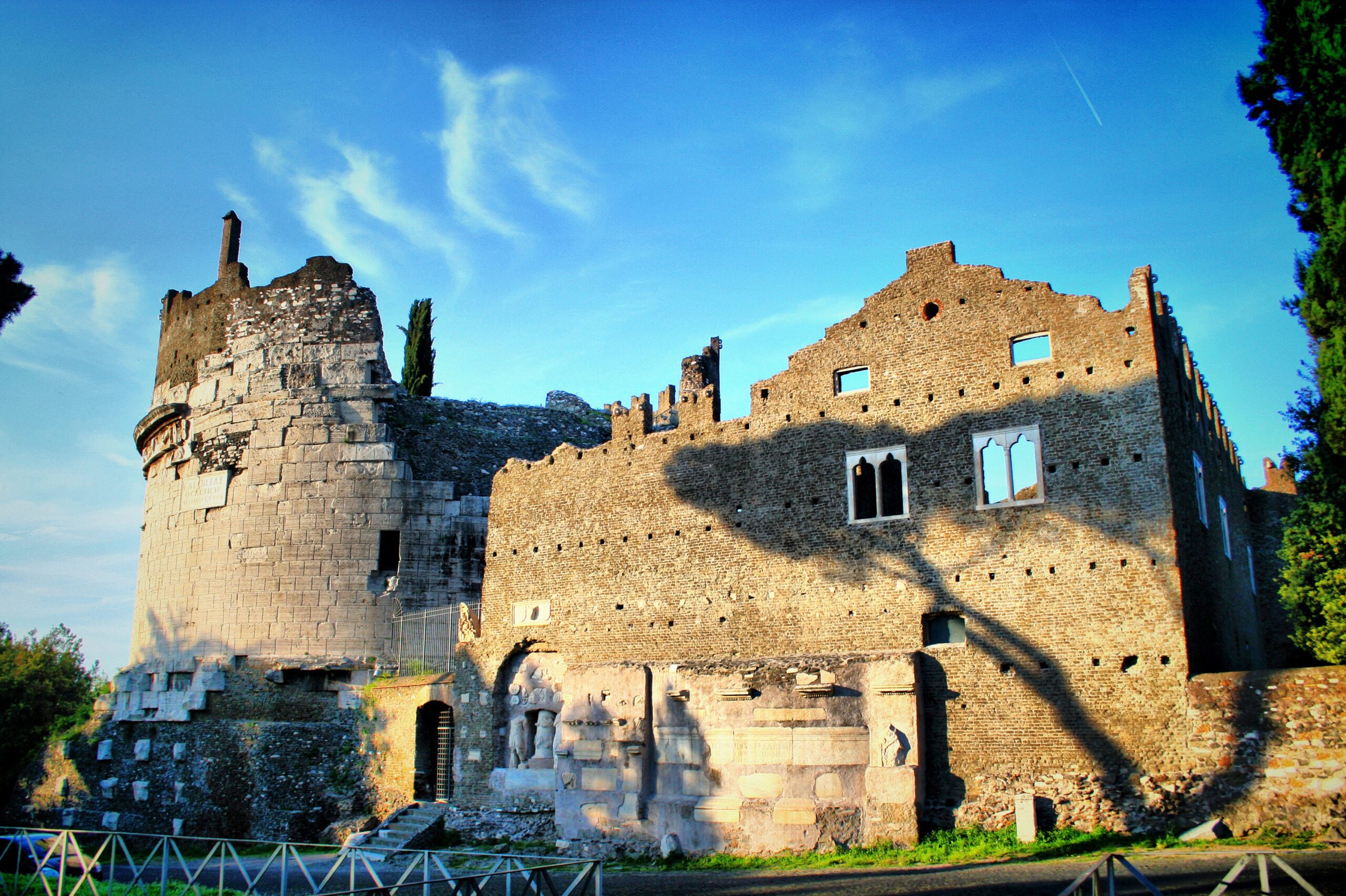
On the third mile of the Via Appia Antica, the cylindrical tomb of Cecilia Metella has watched Rome contract and expand for two millennia. The Caetani family fortified it in the 14th century; the Grand Tour rediscovered it in the 18th; the city left it alone in the 20th.
- Address
- Via Appia Antica 161, 00178 Roma
- Period
- First century BC — late Roman Republic
- Original use
- Funerary monument for Caecilia Metella, daughter of Quintus Caecilius Metellus Creticus
- Later use
- Fortified into a tower by the Caetani family, 14th century
- Visit
- Open daily, Parco Archeologico dell’Appia Antica
- Coordinates
- 41.8514° N, 12.5198° E
Gallery
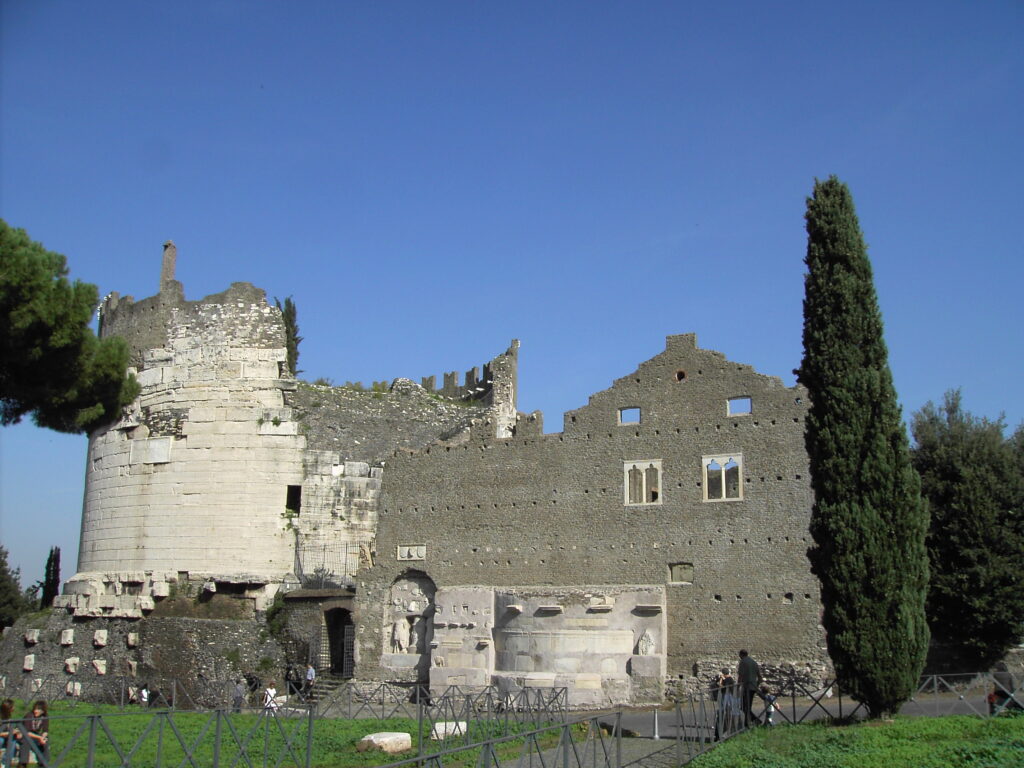
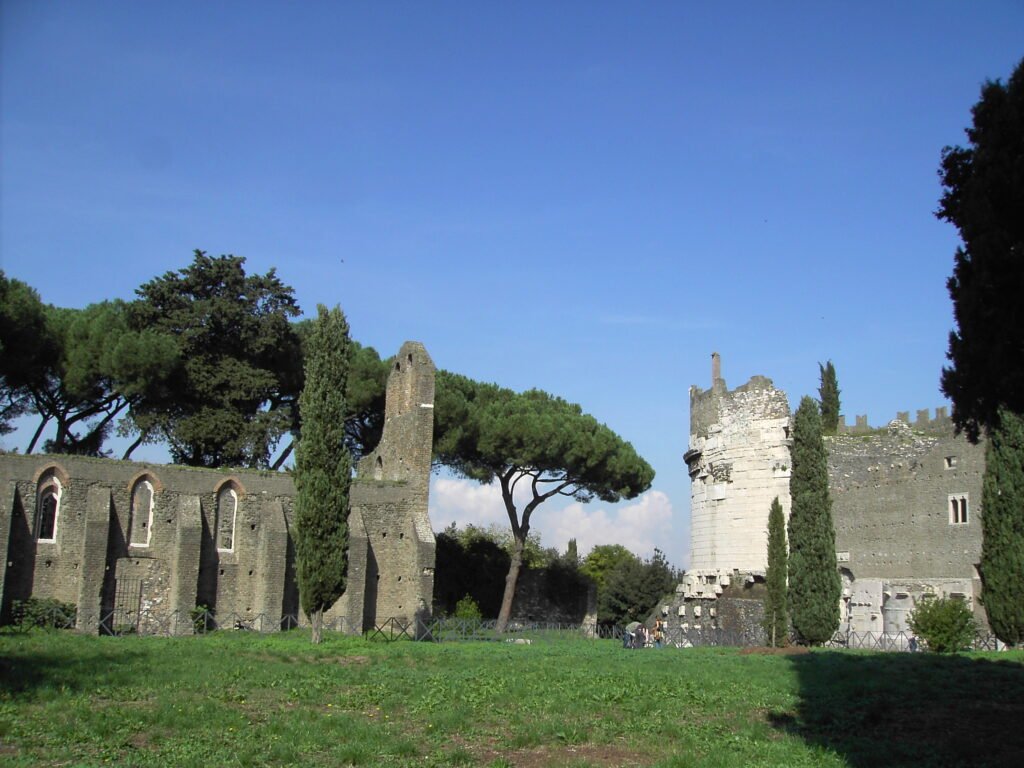
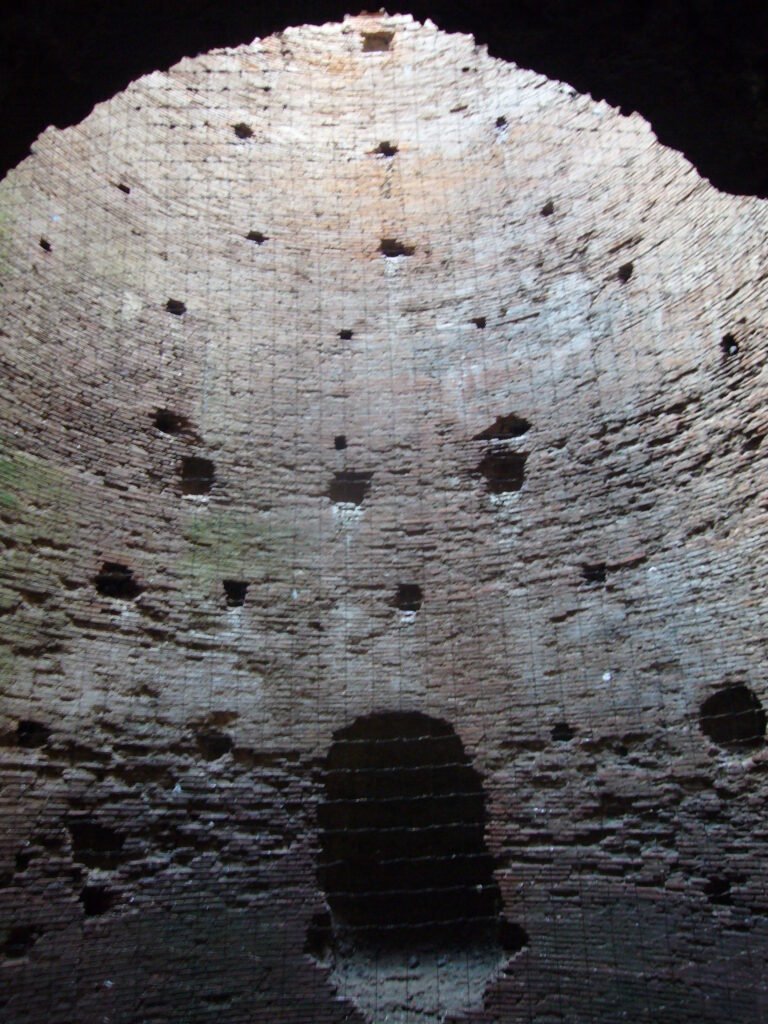
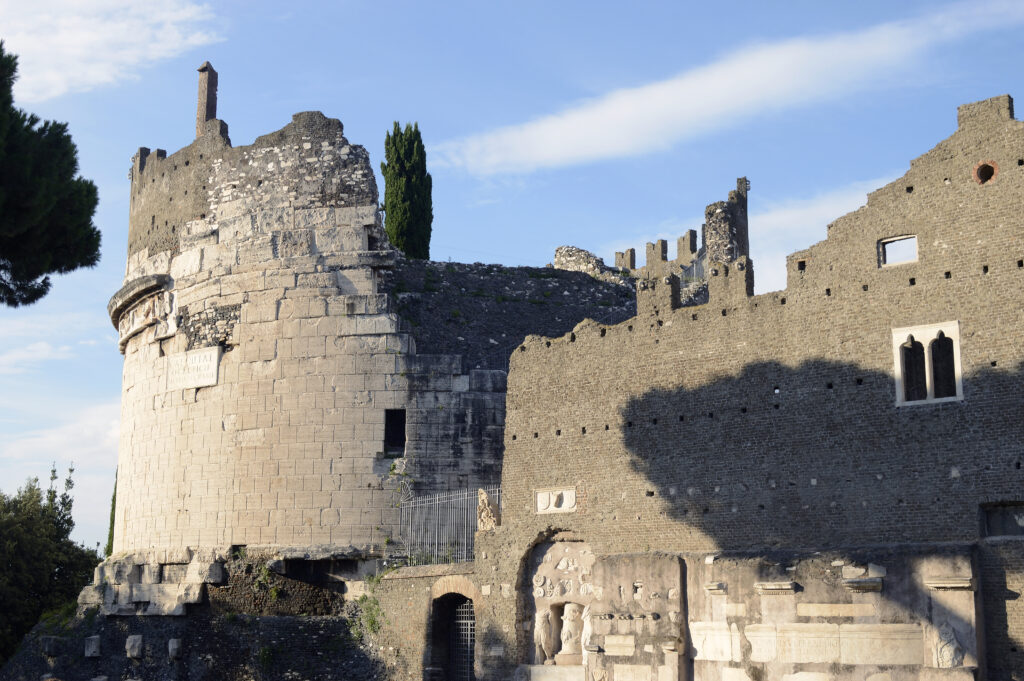
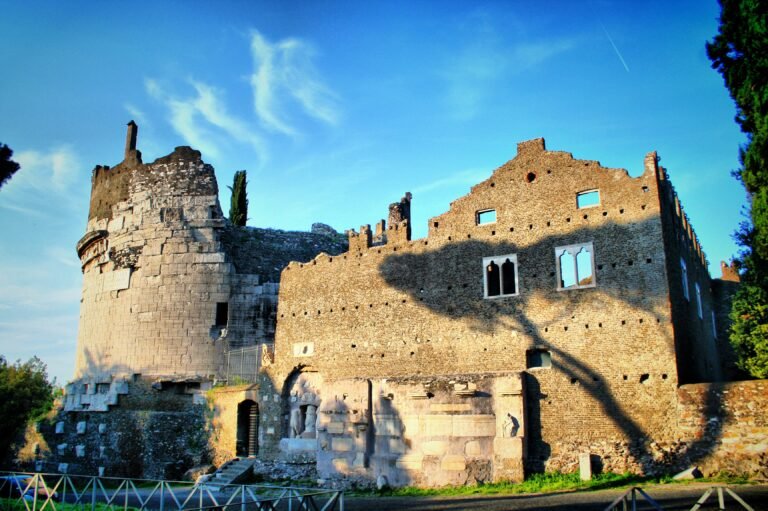
Four views of the monument across the seasons and from different angles — including the interior and the Caetani fortification that defines its silhouette.
Visit on the map
Via Appia Antica 161, Roma · 41.8514° N, 12.5198° E
Download for your navigator
A single waypoint, ready for GPS apps, navigators, and contacts.
Roman Republican funerary architecture often signalled wealth through scale, and the Metella tomb does this without restraint. The cylindrical drum (twenty-nine metres in diameter) sits on a square base, faced in travertine, originally crowned with a conical roof now lost. The Caetani crenellation that defines the silhouette today is a medieval addition; the tomb was incorporated into a fortified complex controlling access to the Appia in the 14th century.
“There is a stern round tower of other days, firm as a fortress, with its fence of stone, such as an army’s baffled strength delays, standing with half its battlements alone.”
Lord Byron — Childe Harold’s Pilgrimage, Canto IV (1818)
Cecilia Metella herself is a faint historical figure — daughter of a consul, wife of a Crassus — and her tomb is famous more for its survival than for her biography. Byron wrote about it in Childe Harold (Canto IV, 1818); the Grand Tour treated it as a required stop; 19th-century landscape painters returned to it again and again.
The site is part of the Parco Archeologico dell’Appia Antica and is reachable on foot from Porta San Sebastiano in about an hour. The walk south along the basalt paving stones, with umbrella pines on both sides, is the canonical Appian Way experience.
Resources & References
Editorial picks across Wikipedia, photo archives, and the official institution.
Read more from the magazine
Editorial pieces from the CHO archive that touch on the same period or place.
All photographs Wikimedia Commons (CC-BY-SA) unless otherwise stated. Editorial text Cultural Heritage Online, OASIS Tech LLC USA.
Find it on the map
See this place and what’s around it →📷 Become a Cultural Heritage Online photographer
Share your photos of places: they stay published under your name as the author. The more they're seen, the more you get noticed — and soon a contest will reward the most appreciated photos.
Log in or sign up free to add a photoIs this page about you?
This page is read by travellers and heritage enthusiasts who find it on Google. Tell us how you are connected to this place and we will take it from there.