
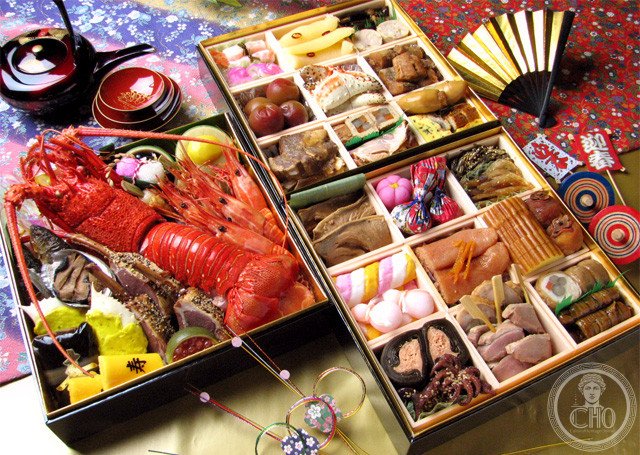
Washoku is the culinary practice of Japan, built around rice, miso soup, and seasonal ingredients. Refined over centuries through cultural exchange and social change, it reflects the Japanese philosophy of balance, simplicity, and respect for nature’s rhythms.
At a glance
Washoku centres on rice as the staple, accompanied by miso soup and carefully prepared side dishes. The cuisine emphasises seafood—grilled, raw as sashimi and sushi, or battered and deep-fried as tempura—alongside pickled vegetables, tamagoyaki, and vegetables simmered in broth. Noodles such as soba and udon, as well as broth-based dishes like oden, and simmered preparations such as sukiyaki and nikujaga, round out the repertoire. Every element reflects the seasons and local availability.
Origins & history
Japanese cuisine developed through centuries of political, economic, and social transformation. Early influence came from Chinese culinary traditions, yet Japan adapted these lessons to its own geography and philosophy. For centuries, adherence to Buddhism discouraged meat consumption; this changed markedly in the 1880s during Japan’s modernisation, when dishes like tonkatsu and yakiniku entered the everyday table. Simultaneously, Japan opened to Western influence, adopting and reinventing ramen, gyōza, curry, and other foreign dishes through a distinctly Japanese lens.
The practice
Washoku unfolds as a carefully composed meal. Rice forms the foundation; miso soup—fermented, aromatic, often featuring seasonal vegetables and tofu—accompanies nearly every table. Seafood dominates: whether grilled over flame, sliced raw for sashimi, formed into sushi, or cloaked in a delicate tempura batter and fried until crisp. Vegetables are pickled, simmered in dashi broth, or cooked alongside proteins. The diner encounters textures and temperatures in deliberate succession—hot soup, cool pickles, tender fish—building a complete sensory experience. Presentation matters: colours, shapes, and vessels signal respect for the meal and the eater.
Cultural significance
Washoku embodies Japanese values of harmony, seasonality, and mindfulness. Each dish honours the ingredient and the season in which it thrives. The practice binds family and community around the table, and marks celebrations—most notably New Year—with ceremonial foods and menus that anchor identity across generations. Since gaining global prominence, particularly through sushi and ramen, washoku has become an ambassador for Japanese culture worldwide.
Key facts
- UNESCO Intangible Cultural Heritage inscription: 2013 (reference 00869)
- Primary practitioner: Japan
- Anchor community: Kyoto, Japan (35.00876°N, 135.76912°E)
- As of 2018, Tokyo holds the world record for most 3-starred Michelin restaurants
Where to experience it
Kyoto remains the heartland of traditional washoku. Home to temples, tea houses, and multi-generational restaurants, the city preserves refined kaiseki dining, seasonal menus, and ceremonial meals tied to Buddhist and Shinto calendars. Washoku is practised daily in Japanese homes and restaurants of all kinds, from humble noodle shops to high-end establishments, throughout Japan and increasingly across the world.
Sources & resources
- Japanese Cuisine – Wikipedia
- Washoku, Traditional Dietary Cultures of the Japanese – UNESCO Intangible Cultural Heritage
- Cultural Heritage Online
Find it on the map
See this place and what’s around it →📷 Become a Cultural Heritage Online photographer
Share your photos of places: they stay published under your name as the author. The more they're seen, the more you get noticed — and soon a contest will reward the most appreciated photos.
Log in or sign up free to add a photo