
The Villino Favaloro is among the earliest Liberty buildings in Sicily — an Art Nouveau villa in Palermo designed in 1889 by Giovan Battista Filippo Basile and later enlarged with Liberty interventions by his son Ernesto Basile (1903–1914). It now houses the Regional Museum of Photography, preserving equipment, prints, and documents tracing Sicily’s photographic tradition from the 19th century onwards.
At a glance
- Type
- Art Nouveau villa / regional photography museum
- Period
- Original villa begun 1889, completed by c. 1901 (G.B.F. Basile); Liberty additions 1903, octagonal tower 1913–1914 (Ernesto Basile)
- Style
- Liberty (Italian Art Nouveau); polychrome ceramic tile facades, wrought-iron details, floral motifs
- Architects
- Giovan Battista Filippo Basile (original design); Ernesto Basile (Liberty interventions & enlargement)
- Address
- Piazza Virgilio 32, Palermo, Sicily
- Coordinates
- 38.1235° N, 13.3487° E
Overview
The Villino Favaloro stands as one of Palermo’s most elegant Liberty villas and among the earliest examples of European modernism — Art Nouveau — in Sicily. Its ornate ceramic-tiled facade and wrought-iron balconies are characteristic of the Belle Époque flourishing that transformed the city at the turn of the 20th century. The building draws visitors both for its architectural distinction and for its role as the Regional Museum of Photography. Declared of national historic interest, it is a singular cultural landmark within Palermo’s dense heritage landscape.
History
Construction of the Villino Favaloro began in 1889 to the design of Giovan Battista Filippo Basile — a transitional project blending late medieval and Renaissance references. The original villa was completed by c. 1901. In 1903 his son Ernesto Basile carried out Liberty-style interventions, adding the characteristic ceramic-tile facades and sinuous ornamental details that define the building today; a further enlargement with an octagonal tower followed in 1913–1914. This phased evolution places the Villino among the earliest Liberty buildings in Palermo. After decades of closure it was restored and reopened in 2024 as the seat of the Regional Museum of Photography of Sicily.
What you see
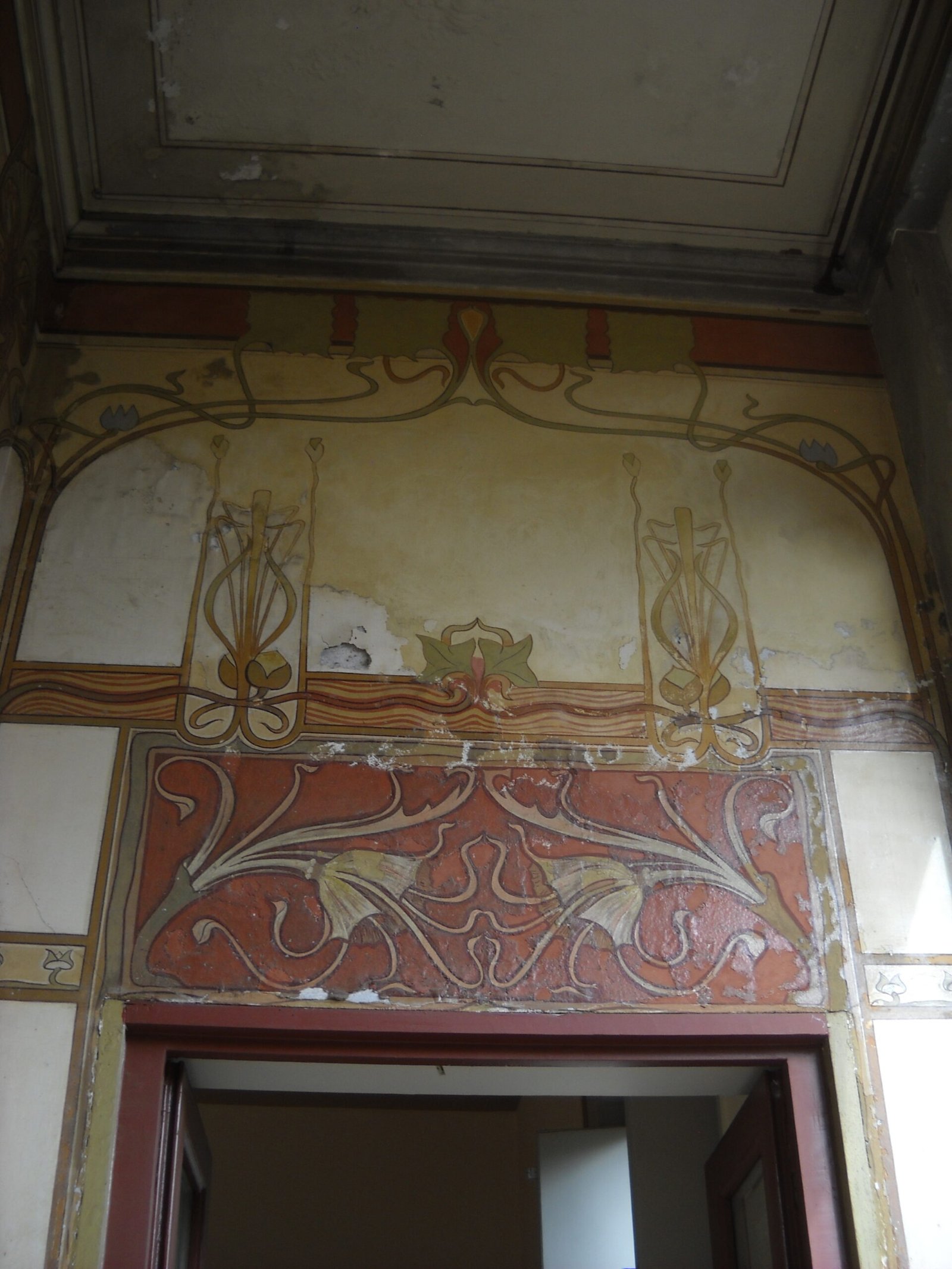
The exterior is distinguished by polychrome ceramic tile cladding — a hallmark of Palermitan Liberty design — alongside sinuous wrought-iron railings and decorative floral motifs drawn from the natural world. The interior collections illustrate the evolution of photographic technology: from daguerreotypes and wet-plate collodion equipment through to early 20th-century portrait cameras, alongside prints and archival images documenting Sicilian life and landscape. Display areas across the ground and upper floors allow visitors to move through both the architectural spaces and the photographic narrative simultaneously.
Cultural significance
The Villino Favaloro embodies the prosperity and cosmopolitan ambitions of Palermo’s bourgeoisie at the height of the Belle Époque, a period when the city competed culturally with continental European capitals. As a museum of photography, it preserves material evidence of how Sicilians represented themselves and their environment across more than a century of lens-based image-making — a record of memory, identity, and social change unique to the island.
Practical information
- Address
- Piazza Virgilio 32, 90141 Palermo, Sicily
Getting there
Palermo is served by Falcone–Borsellino Airport (PMO) with connections across Italy and Europe. The Villino Favaloro stands at Piazza Virgilio 32, in the Liberty villa quarter near Via Dante and Via Giacomo Cusmano, reachable on foot from the historic centre or by local AMAT bus from Piazza Politeama.
Sources & resources
- Regione Siciliana — Villino Favaloro, Museo della Fotografia
- Comune di Palermo — Museo della Fotografia di Villino Favaloro
- Cultural Heritage Online – Italy guides
Find it on the map
See this place and what’s around it →Record researched and written by Carla Szathvary for Cultural Heritage Online, 2026.
📷 Become a Cultural Heritage Online photographer
Share your photos of places: they stay published under your name as the author. The more they're seen, the more you get noticed — and soon a contest will reward the most appreciated photos.
Log in or sign up free to add a photoIs this page about you?
This page is read by travellers and heritage enthusiasts who find it on Google. Tell us how you are connected to this place and we will take it from there.