
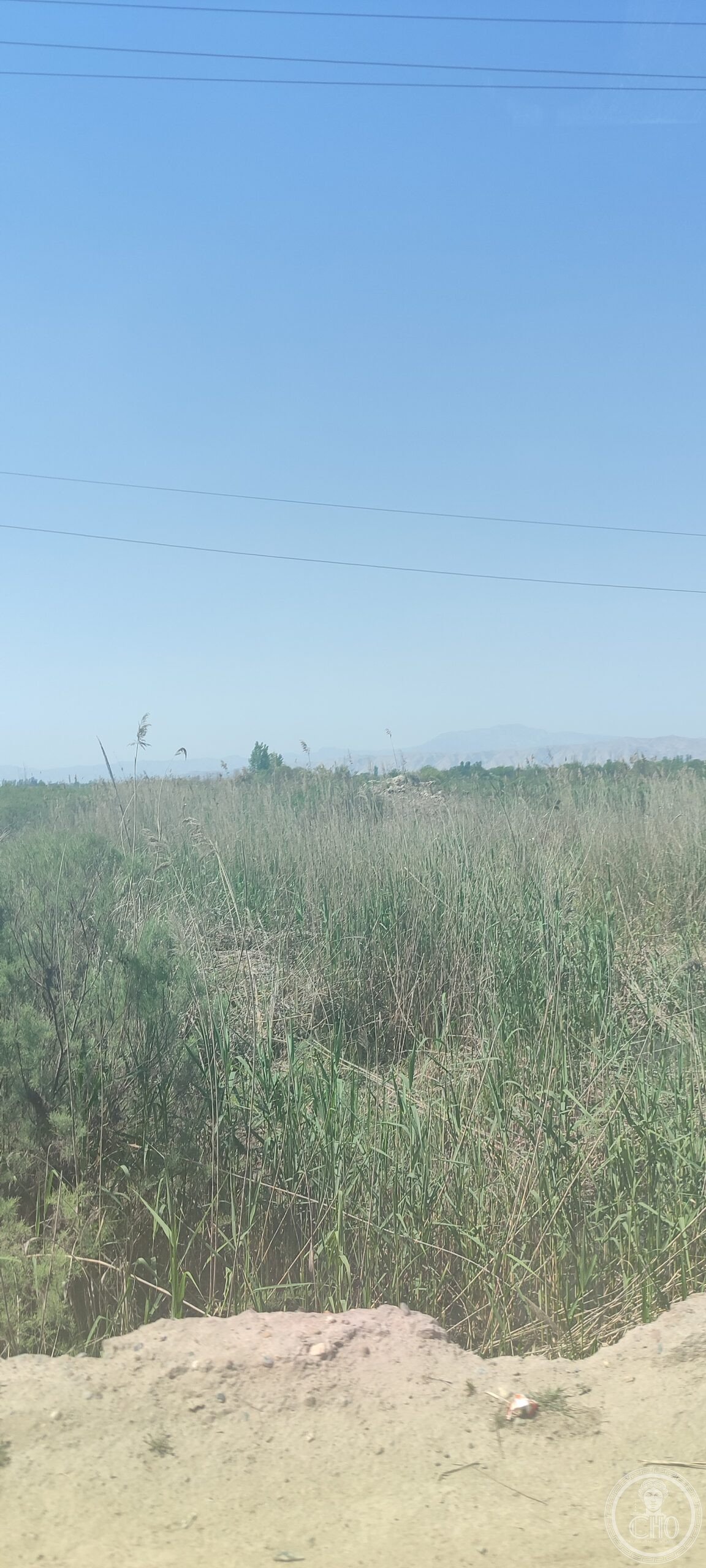
The Last Tugai Wilderness
Tigrovaya Balka — “Tiger Ravine” in Russian — is one of the last surviving examples of Central Asian tugai: a rare and threatened ecosystem of dense reed beds, riparian forest, and seasonal wetlands that once stretched along the great rivers of the Turan lowlands. Today this 50,000-hectare reserve at the confluence of the Vakhsh and Panj rivers is among the most pristine floodplain landscapes remaining in the region.
The Caspian Tiger’s Last Refuge
The reserve’s name is no accident: Tigrovaya Balka was one of the final strongholds of the Caspian tiger (Panthera tigris virgata), the now-extinct subspecies that once prowled the riverine forests from Turkey to Xinjiang. The last confirmed sighting in Tajikistan was in 1953. The reserve retains the ecological conditions — dense vegetation, prey abundance, wetland cover — that supported the tiger for millennia.
Tugai Ecology
Tugai forests are dominated by Elaeagnus (Russian olive), Populus (cottonwood), and Tamarix species interspersed with towering reed beds (Phragmites) up to six metres high. This dense vegetation forms corridors critical for wildlife movement, filtering the floodwaters of the Amu Darya basin and supporting one of the region’s most productive fisheries.
Biodiversity
The reserve holds populations of Bukhara deer (Cervus hanglu bactrianus), wild boar, jackals, and over 260 bird species including the globally threatened Dalmatian pelican and the sociable lapwing. River banks shelter the endemic Syr Darya shovelnose sturgeon. The wetland complex is a critical staging area for migratory waterbirds on the Central Asian Flyway.
UNESCO Recognition
Inscribed in 2023 under natural criteria ix and x, Tigrovaya Balka was recognised for its biological diversity and its role as an intact representative of the Central Asian tugai ecosystem — a biome now reduced to a fraction of its former extent by Soviet-era cotton agriculture and river regulation.
Visiting the Reserve
Tigrovaya Balka is a strictly protected nature reserve (zapovednik) with limited visitor access. Scientific expeditions and wildlife tours can be arranged through the Tajik Ministry of Environment with advance permits. The reserve is located in Khatlon province, 80 km from Shaartuz on the Afghan border.
Getting There
The nearest city is Kulob or Qurghonteppa (Kurgan-Tyube), accessible by road from Dushanbe (3–4 hrs). Dushanbe has international flight connections. The border area with Afghanistan requires specific travel permits for foreign nationals.
Conservation Context
Tigrovaya Balka is part of a wider conservation effort in Central Asia to protect the remaining Amu Darya floodplain. Transboundary cooperation with Uzbekistan and Turkmenistan — where similar tugai fragments survive — is ongoing. The reserve’s inscription complements Tajikistan’s other UNESCO site, Sarazm (ref 1141).
Find it on the map
See this place and what’s around it →📷 Become a Cultural Heritage Online photographer
Share your photos of places: they stay published under your name as the author. The more they're seen, the more you get noticed — and soon a contest will reward the most appreciated photos.
Log in or sign up free to add a photo