

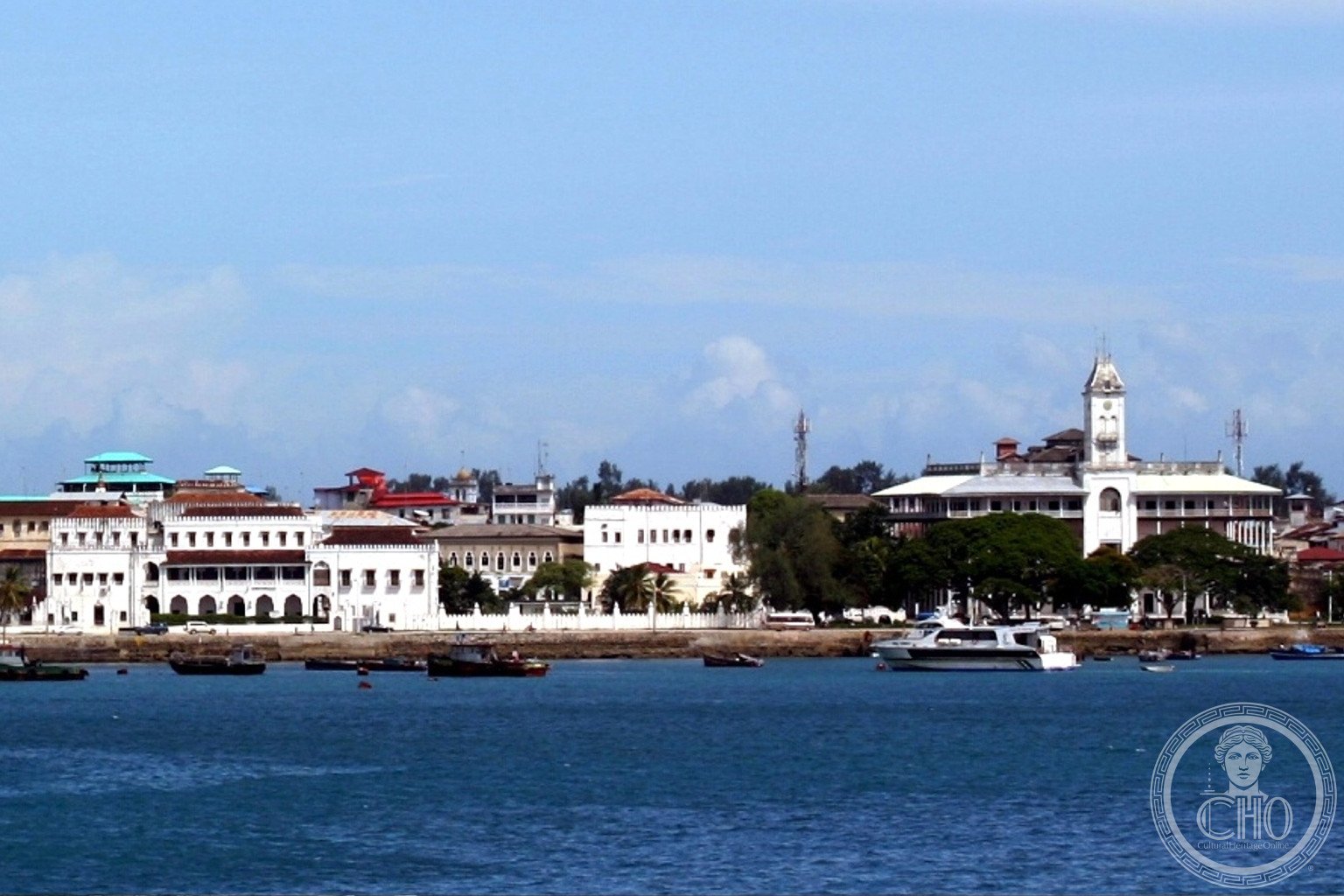
The historic heart of Zanzibar, Stone Town blends Arab, Persian, Indian and European architecture within the winding streets of an old spice-trade capital. Its 19th-century fabric earned UNESCO recognition in 2000.
At a glance
Stone Town (Mji Mkongwe in Swahili) occupies the western coast of Unguja, the main island of the Zanzibar Archipelago. Once the seat of the Zanzibar Sultanate, it remains Zanzibar’s local government centre and primary urban nucleus. The newer district, Ng’ambo, lies to the east.
History
Stone Town rose to prominence as a centre of the Indian Ocean spice trade and slave trade during the 19th century. Its strategic location and commercial vitality made it the natural capital of the Zanzibar Sultanate. Following British protectorate rule, the town retained administrative significance when Tanganyika and Zanzibar united to form Tanzania in 1964. Stone Town was designated a semi-autonomous local government seat within the broader framework of Zanzibar’s semi-autonomous status.
What you see
The townscape is dominated by 19th-century architecture that synthesizes multiple cultural traditions. Arab, Persian, Indian and European design vocabularies coexist in residential and commercial structures, creating the visual coherence for which Stone Town is celebrated. The built environment reflects centuries of mercantile exchange and cosmopolitan settlement across the Indian Ocean.
Cultural significance
Stone Town stands as a city of prominent historical and artistic importance in East Africa. Its architectural heritage encodes the layered influences of Swahili culture—a synthesis forged through trade, migration and conquest. The town’s UNESCO designation recognizes its exceptional testimony to Indian Ocean commercial networks and cultural encounter.
Key facts
- Country: Tanzania
- City: Zanzibar City
- Coordinates: -6.1624, 39.1913
- UNESCO World Heritage Site: yes (2000)
Practical information & getting there
Stone Town is the primary tourist destination in Zanzibar, with much of the local economy oriented towards heritage tourism. For details on accommodation, transport and visiting hours, consult current tourism guides.
Sources & resources
Find it on the map
See this place and what’s around it →📷 Become a Cultural Heritage Online photographer
Share your photos of places: they stay published under your name as the author. The more they're seen, the more you get noticed — and soon a contest will reward the most appreciated photos.
Log in or sign up free to add a photo