

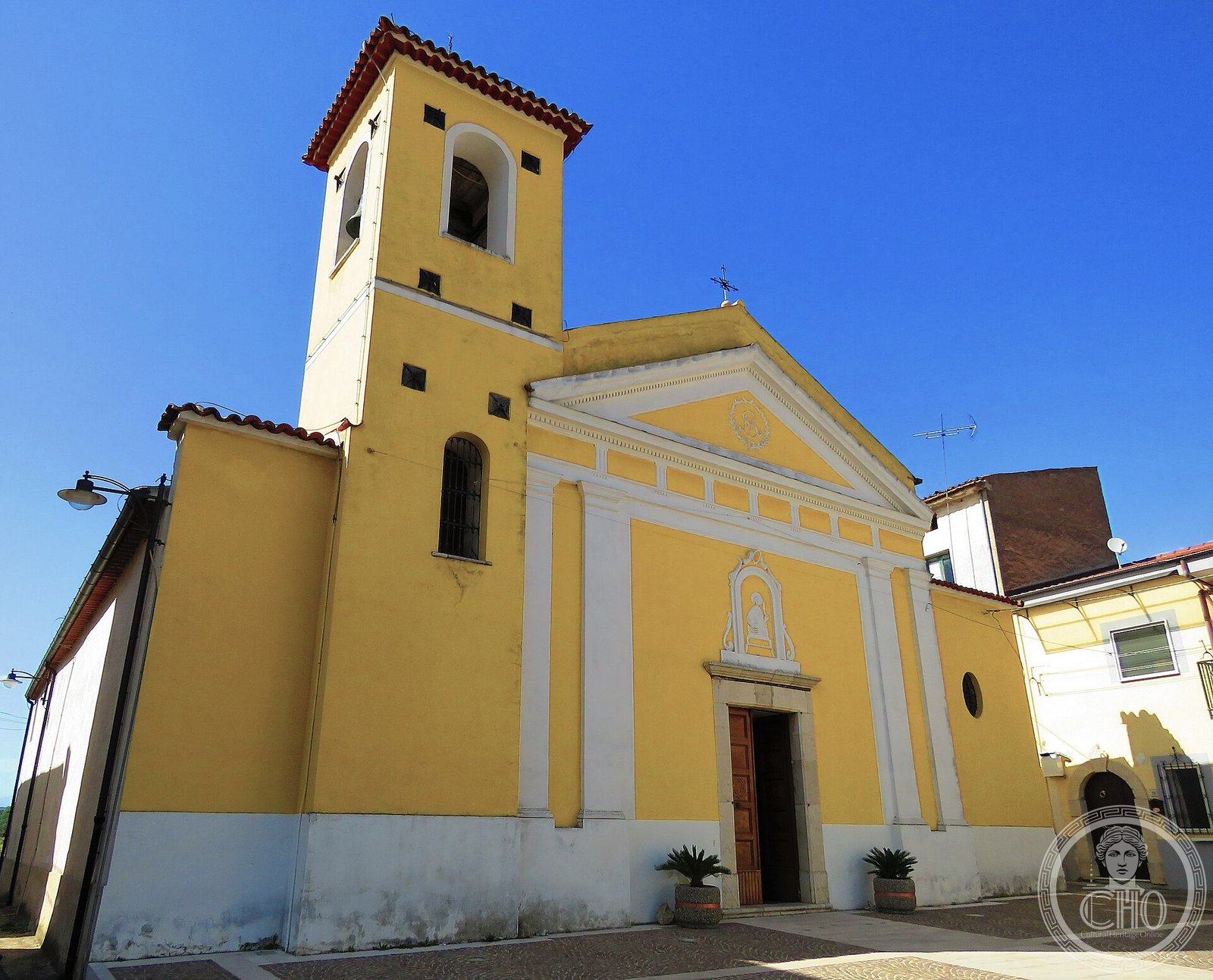
Speleo Archaeological Museum — SPARCH
The Speleo Archaeological Museum, known by the acronym SPARCH, is a museum in the Basilicata region of southern Italy dedicated to speleological and archaeological heritage, particularly the intersection of cave environments and prehistoric and ancient human activity. Located in an area of extraordinary geological richness — the karst landscapes of Basilicata harbor some of Italy’s most significant cave systems and prehistoric sites — SPARCH documents the long relationship between the region’s inhabitants and its subterranean world, from Paleolithic cave dwellers to post-antique rock-cut settlements.
At a glance
- Type
- Speleo-archaeological museum
- Period
- Collections spanning Paleolithic prehistory through medieval period
- Style
- Scientific and educational institution within a historic building
- Location
- Basilicata, southern Italy (40.5438° N, 15.4506° E)
Overview
SPARCH occupies a distinctive niche among Italian regional museums by combining speleological science — the study of cave systems — with archaeological research focused on the human occupation of karst environments. Basilicata, among Italy’s least densely populated and most geologically dramatic regions, contains karst formations, caves, and rock-cut settlements that preserve evidence of continuous human presence from the Palaeolithic to the medieval period. The museum serves as both a research centre and a public gateway to this exceptional natural and cultural heritage.
History
Human occupation of Basilicata’s cave systems extends back tens of thousands of years, with evidence of Palaeolithic hunter-gatherers followed by Neolithic and Bronze Age communities that used caves for shelter, ritual, and burial. The Greek and Lucanian populations who inhabited the region in the first millennium BC left artefacts in both open settlements and cave contexts, creating a layered archaeological record of exceptional density. Rock-cut churches and cave hermitages from the early Christian and Byzantine periods — of the kind that made nearby Matera world-famous — add a further dimension to the region’s subterranean heritage.
What you see
The museum’s collections typically include finds recovered from cave excavations — lithic tools, pottery, human remains, animal bones — alongside speleological documentation of the cave systems themselves: maps, photographs, and geological specimens. Displays contextualise archaeological finds within their cave environments, allowing visitors to understand both the human stories and the natural formations that shaped them. Educational models and reconstructions help non-specialist visitors grasp the significance of underground sites that cannot be accessed directly by the public.
Cultural significance
Basilicata’s cave heritage gained international recognition partly through Matera’s designation as a UNESCO World Heritage Site (Sassi di Matera, 1993) and its selection as European Capital of Culture in 2019. SPARCH contributes to the broader understanding of how human communities across southern Italy adapted to and shaped karst landscapes over millennia. The museum plays a role in the regional cultural tourism network that connects Matera’s Sassi with the wider speleological and archaeological heritage of the Basilicata interior.
Practical information
- Address
- Basilicata, southern Italy (40.5438° N, 15.4506° E)
- Hours
- Check official website for current visiting hours
- Admission
- Check official website
Getting there
The Basilicata interior is most easily accessed by car. From Matera, take the SS7 (Via Appia) westward toward Potenza; from Potenza, regional roads connect to the southern Basilicata highlands. The nearest railway stations are at Potenza (served by Trenitalia from Naples and Taranto) and Matera (connected by the FAL private railway from Bari). From Bari airport, Matera is approximately 65 km by car or bus.
Sources & resources
Find it on the map
See this place and what’s around it →📷 Diventa un fotografo di Cultural Heritage Online
Condividi le tue foto dei luoghi: restano pubblicate con la tua firma come autore. Più vengono viste, più ti fai conoscere — e presto un concorso premierà le foto più apprezzate.
Accedi o registrati gratis per aggiungere una foto