
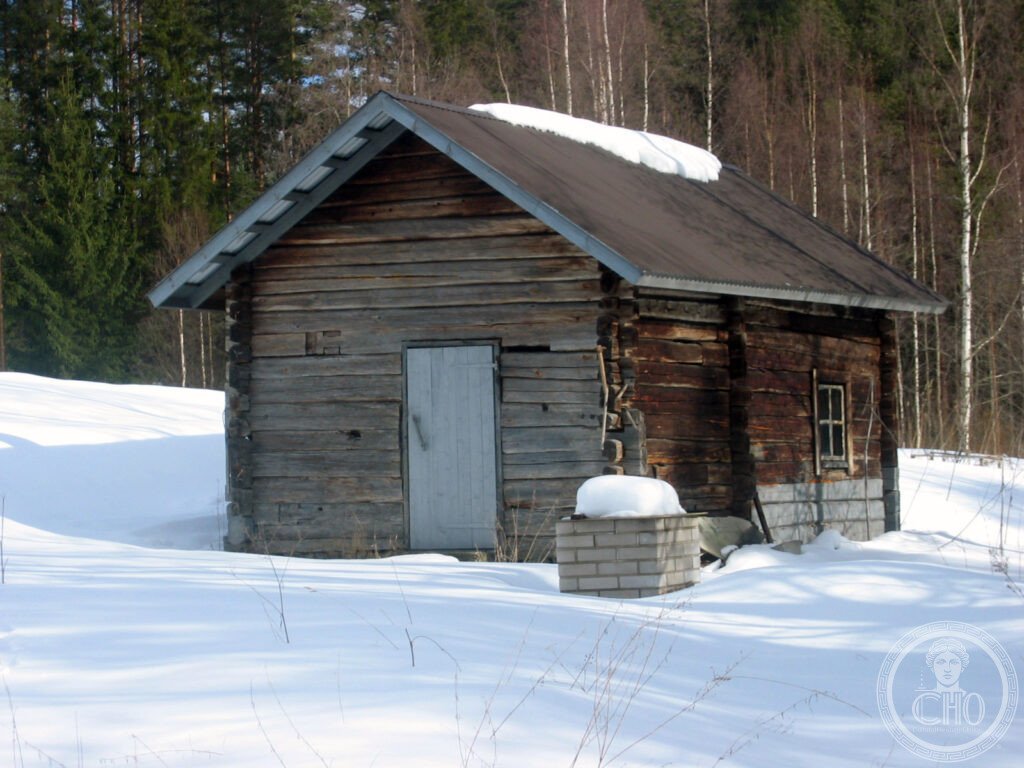
In southeastern Estonia, the smoke sauna remains a living practice of wellness, community, and cultural identity—a centuries-old ritual where families and neighbours gather in wood-heated chambers to cleanse body and spirit.
At a glance
The smoke sauna tradition of Võromaa is a bathing and social practice integral to Estonian life in the Võru region. Unlike saunas with external chimneys, smoke saunas are heated by wood fires that fill the chamber with smoke before bathers arrive. The practice encompasses preparation of the space, heating rituals, bathing, and the social bonds forged within the sauna house.
Origins & history
Sauna culture in the Baltic and Nordic regions has ancient roots, shaped by the availability of wood and the climate’s demands. During the Reformation in Scandinavia, the popularity of saunas expanded to other countries as European bathhouses were destroyed—partly due to syphilis and other epidemics. In Võromaa, the smoke sauna tradition persisted as a distinct practice, preserving methods and meanings that connect present-day communities to generations past.
The practice
A smoke sauna begins with heating. Wood fires burn inside the chamber itself, filling it with warmth and aromatic smoke. Once the desired temperature is reached, the smoke is allowed to clear—or bathers enter while it lingers, depending on local custom. Inside, bathers sit on wooden benches, perspire freely, and often use birch whisks to enhance circulation. The experience is tactile and sensory: the smell of wood smoke and heated air, the sound of the fire, the feel of heat on skin.
The sauna house is a modest wooden structure, often built near water for cooling immersion afterward. It serves not only hygiene but also social gathering—a place where conversation flows, relationships deepen, and collective rituals mark seasons and life events.
Cultural significance
The smoke sauna embodies Estonian values of connection to nature, self-care, and community. It is a space where knowledge passes between generations—how to tend the fire, judge the heat, prepare the body. Sauna-going is woven into cycles of work and rest, seasons and celebrations. The practice affirms resilience and continuity in a region where such traditions anchor identity and belonging.
Key facts
- UNESCO Intangible Cultural Heritage inscribed in 2014 (reference 00951)
- Anchor community: Võru, Estonia (57.84261°N, 26.9881°E)
- Practice involves wood-fired heating, bathing rituals, and social gathering
- Safeguarded by the Estonian state and local sauna communities
Where to experience it
Võru and the Võromaa region in southeastern Estonia are the heartland of this living tradition. Smoke saunas remain in active use in private homes and community spaces. To experience authentic practice, visitors are encouraged to connect with local hosts and sauna communities who welcome respectful participation in this intimate cultural ritual.
Sources & resources
Find it on the map
See this place and what’s around it →📷 Become a Cultural Heritage Online photographer
Share your photos of places: they stay published under your name as the author. The more they're seen, the more you get noticed — and soon a contest will reward the most appreciated photos.
Log in or sign up free to add a photo