
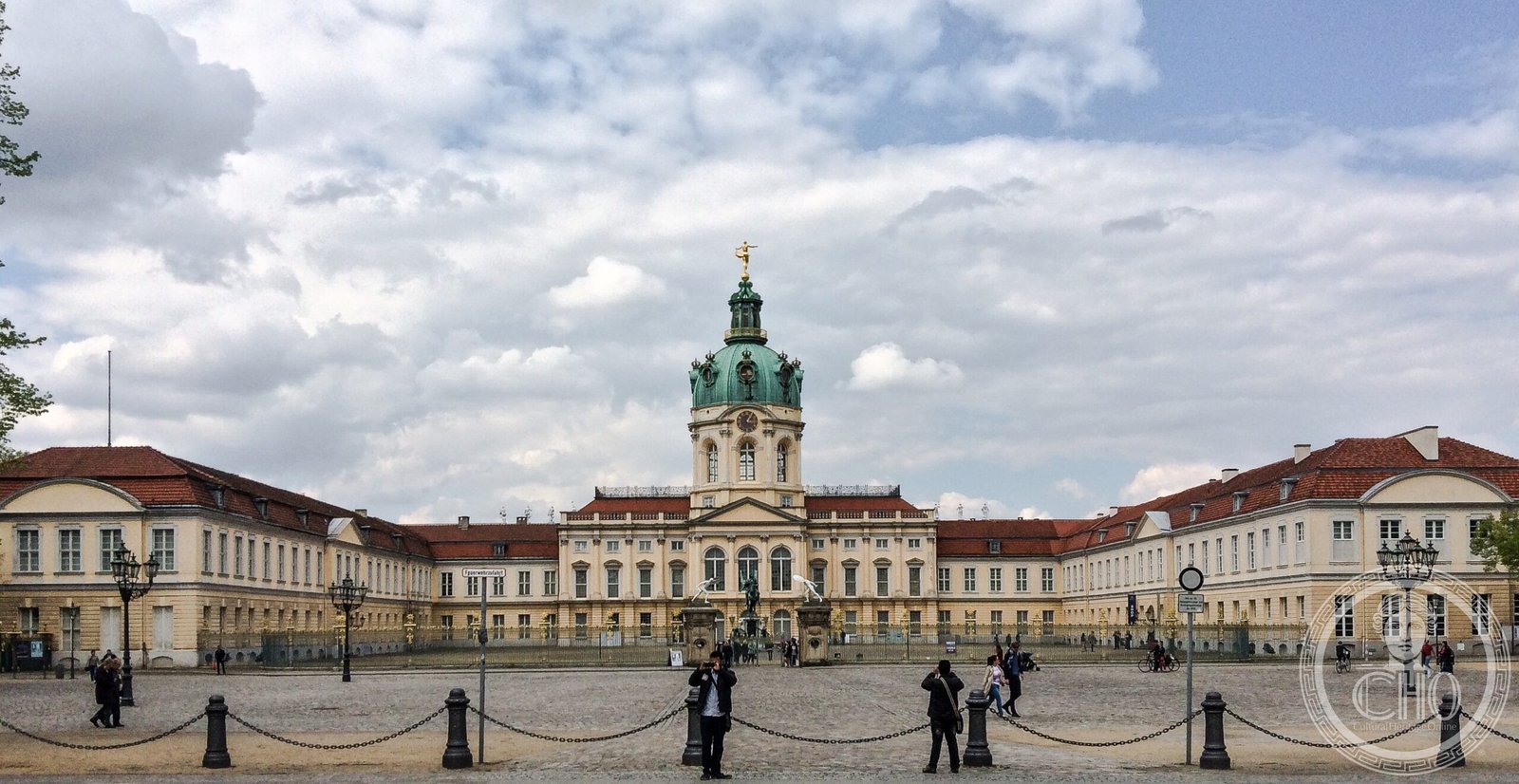
Berlin’s grandest Baroque palace, expanded across two centuries into one of the world’s largest royal residences. Lavishly decorated rooms, formal gardens, and subsidiary buildings survive as testament to Prussian ambition and taste.
At a glance
Schloss Charlottenburg ranks among the world’s largest palaces. Built from the late 17th century onward and substantially enlarged during the 18th century, it showcases Baroque and Rococo interior decoration of exceptional richness. The palace stands in the Charlottenburg-Wilmersdorf borough and anchors a sprawling estate of formal gardens and outbuildings.
History
Construction began at the end of the 17th century. The palace underwent major expansion during the 18th century, primarily for Frederick the Great, transforming it into a monument to Prussian power and refinement. Second World War bombing caused severe damage, yet the palace was subsequently reconstructed, allowing its splendor to be appreciated by later generations.
What you see
The main palace displays lavish Baroque and Rococo decoration throughout its interiors. Beyond the building, a large formal garden extends into surrounding woodland. The estate includes a belvedere, mausoleum, theatre, and pavilion—each contributing to the ensemble’s architectural variety and grandeur.
Cultural significance
Schloss Charlottenburg embodies the aesthetic aspirations of 18th-century Prussia and represents a pinnacle of Baroque palace architecture. Its survival through wartime destruction and subsequent restoration underscores its value to German cultural memory and European architectural heritage.
Key facts
- Country: Germany
- City: Berlin
- Coordinates: 52.5209, 13.2957
- District: Charlottenburg-Wilmersdorf borough
- Period: Late 17th–18th century
Practical information & getting there
The palace and gardens operate as a major tourist attraction. You can reach Schloss Charlottenburg by public transport in Berlin; consult current opening hours and admission fees on the palace’s official website before your visit.
Sources & resources
Find it on the map
See this place and what’s around it →📷 Become a Cultural Heritage Online photographer
Share your photos of places: they stay published under your name as the author. The more they're seen, the more you get noticed — and soon a contest will reward the most appreciated photos.
Log in or sign up free to add a photoIs this page about you?
This page is read by travellers and heritage enthusiasts who find it on Google. Tell us how you are connected to this place and we will take it from there.