
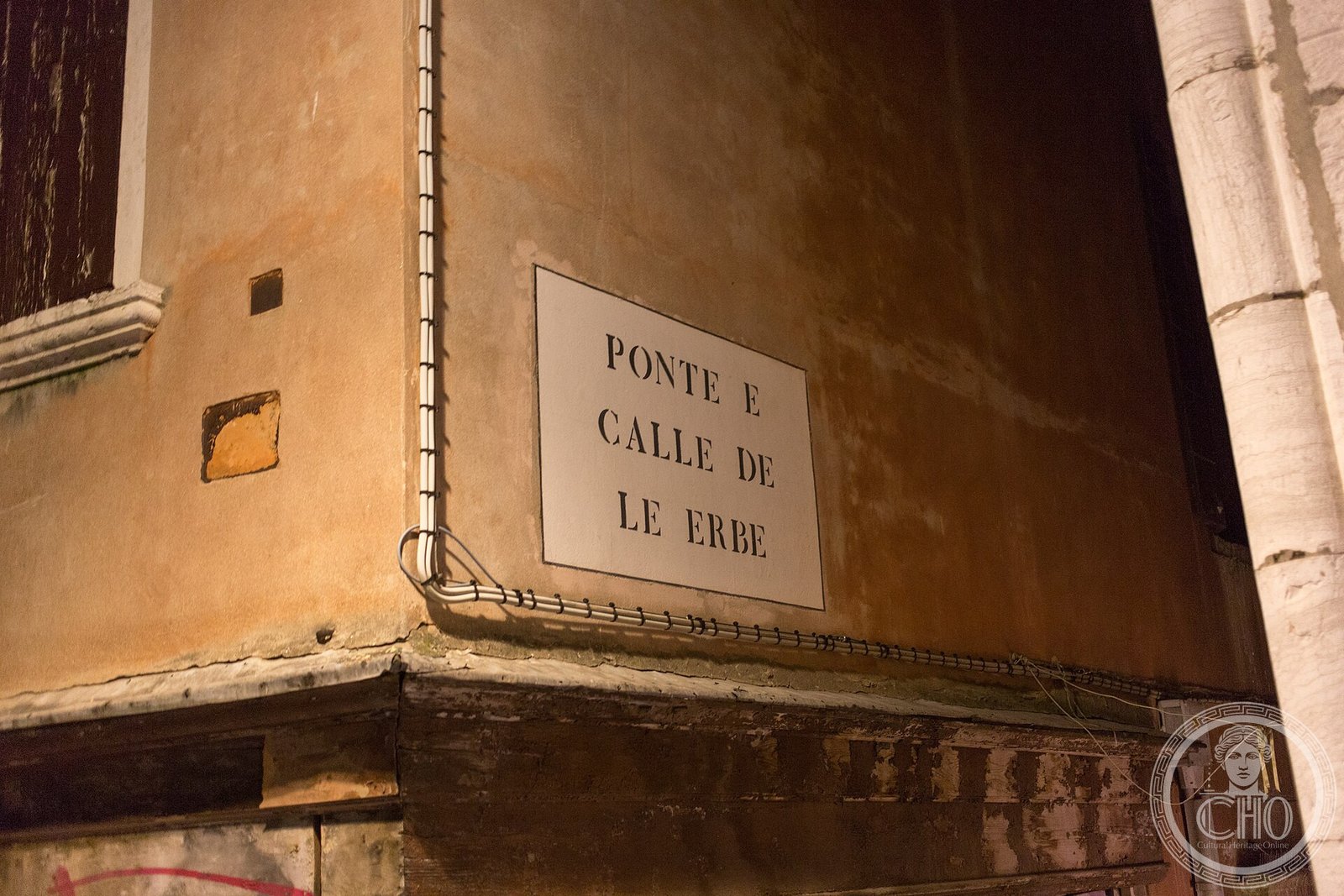
The Dominicans have been here since 1236, on ground a doge gave them after a dream in 1234. Twenty-five of its funerary monuments are dedicated to doges of the Republic.
At a glance
- Given to the Dominicans
- 1234, by doge Jacopo Tiepolo
- Enlargement completed
- 1368, by fra Benvenuto da Bologna and fra Nicolò da Imola
- Consecrated
- 14 November 1430
- Ducal monuments
- Twenty-five, from the thirteenth to the eighteenth century
- Outside
- Verrocchio’s equestrian monument to Bartolomeo Colleoni, erected 1496
- Entry
- An offering of €3.50; reduced €1.50
Overview
Venetians call it San Zanipolo, running the two saints’ names together. It is the largest church in the city and, with the Frari, the burial place of the Republic’s ruling class — but the phrase usually attached to it needs care. The basilica itself counts twenty-five funerary monuments dedicated to doges, from the thirteenth century to the eighteenth. That is not the same as twenty-five doges buried here: some have a monument and lie elsewhere, some lie here without one. The figure of twenty-seven that circulates has no institutional backing.
It is a working parish and a Dominican priory, not a museum, and visits stop during services without notice.
History
The tradition, told by the basilica itself, is that one night in 1234 the doge Jacopo Tiepolo dreamed of a marshy ground covered in flowers, white doves flying over it and ranks of angels singing, and heard the words: this is the place I have chosen for my Preachers. The next day he went to the Senate and obtained leave to give the Dominicans the ground where the church now stands. The friars have been here without interruption since 1236.
The thirteenth-century church was finished quickly, but so many doges and notables chose it for burial that it had to be enlarged. The work was carried out by two Dominicans, fra Benvenuto da Bologna and fra Nicolò da Imola, and completed in 1368, as an inscription in the first arcade on the left, by the organ, still records. Almost two centuries after the foundation, on 14 November 1430, the church was finally consecrated.
The choir was demolished in 1682 to make room for state ceremonies. In 1806 the Dominicans were expelled and the convent became a hospital, military first and then civil; the parish was created in 1810 and entrusted to the friars, who returned.
The worst loss came on the night of 16 August 1867, when fire destroyed the Tintoretto ceiling of the Rosary chapel. Two altarpieces that had been brought into that chapel for restoration were destroyed with it, among them Titian’s Martyrdom of Saint Peter Martyr. The ceiling now in the chapel is a cycle by Veronese, brought here afterwards.
What you see
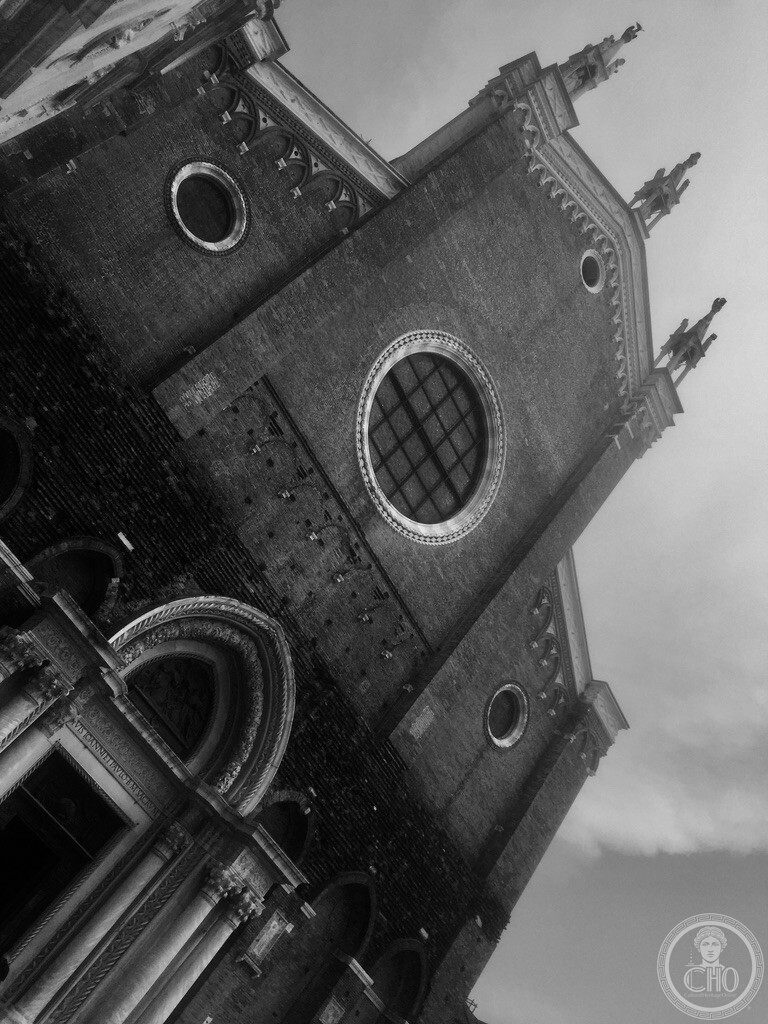
A vast brick interior on the Dominican model, wide and bare by Venetian standards, with the ducal monuments ranged along the walls like a museum of state sculpture spanning five centuries. The eye is meant to travel along them.
In the campo outside stands the equestrian monument to the condottiero Bartolomeo Colleoni. Andrea del Verrocchio modelled it between about 1480 and 1488 and died before it could be cast; Alessandro Leopardi cast the bronze, designed the pedestal and signed it. It was erected in 1496.
Practical information
- Address: Campo Santi Giovanni e Paolo, Castello, Venezia
- Open: weekdays 09:00–17:45; Sundays and holidays 12:00–17:45
- Entry: an offering of €3.50, reduced €1.50 for students aged 13–25, €2 for groups of fifteen or more with a badged guide
- Free for prayer, mass and confession, for residents of the Comune di Venezia, for visitors with motor disabilities and their companions, for licensed guides and for children under 13
- Visits are suspended during services, without notice: check the basilica’s news page the morning of your visit
- It is not part of the Chorus circuit and ticketes independently
Photo gallery
Photograph contributed by a Cultural Heritage Online member.
Nearby
- Scuola Grande di San Marco — 36 m away, next door
- El Magazen, risto-bacaro — Bar, 52 m away
- Palazzo Widmann Rezzonico Foscari — 91 m away
- Teatro Malibran — 121 m away
Sources
- Basilica dei Santi Giovanni e Paolo, official history, art and visiting pages — santigiovanniepaolo.it
- Basilica dei Santi Giovanni e Paolo, page on the works of art (twenty-five monuments dedicated to doges; the Rosary chapel fire of August 1867)
- Catalogo generale dei Beni Culturali, record 0900649053: Federico Moja, Cappella del rosario dei SS. Giovanni e Paolo dopo l’incendio, c. 1867
Find it on the map
See this place and what’s around it →📷 Become a Cultural Heritage Online photographer
Share your photos of places: they stay published under your name as the author. The more they're seen, the more you get noticed — and soon a contest will reward the most appreciated photos.
Log in or sign up free to add a photo