
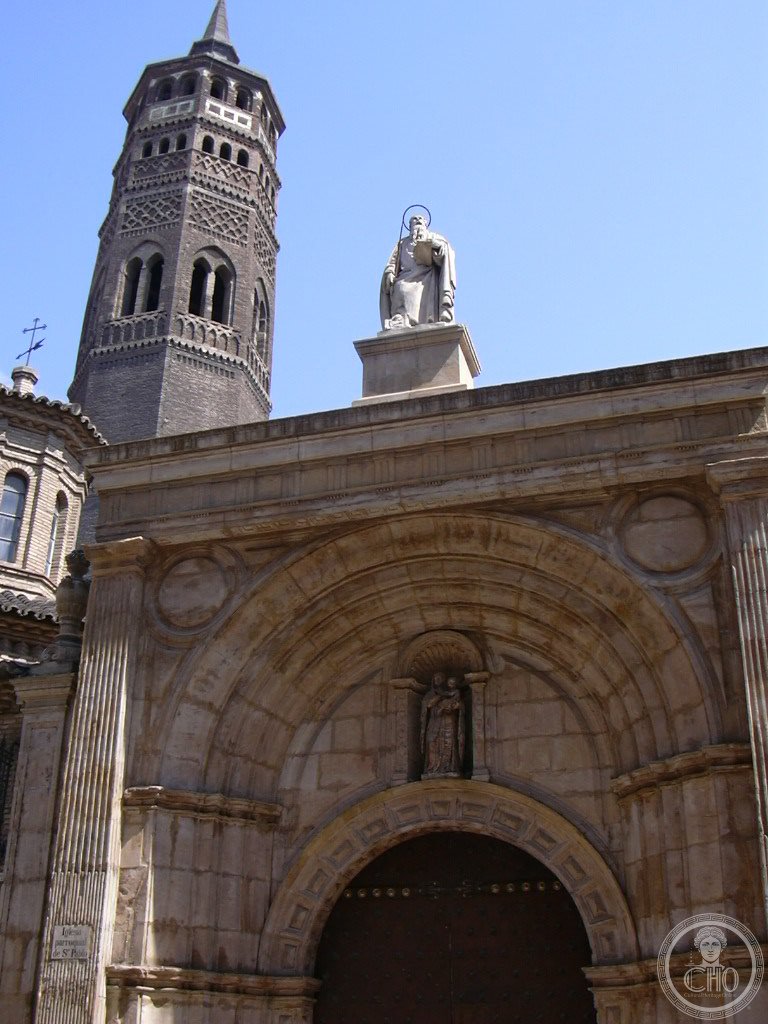
A striking Gothic-Mudéjar church whose layered architecture reflects centuries of renovation and cultural exchange in medieval Aragón.
At a glance
San Pablo stands as one of Zaragoza’s significant religious monuments, its foundation rooted in the late 13th and early 14th centuries. The church embodies the Gothic-Mudéjar style characteristic of Aragón, a hybrid aesthetic blending Christian and Islamic architectural traditions. Successive enlargements and modifications reshaped the building over time, layering new intentions atop older structures.
History
The church was built in the late 13th or early 14th century during a period of active ecclesiastical construction in Zaragoza. Following its initial completion, the building underwent multiple campaigns of expansion and alteration, responding to changing liturgical needs, structural demands, or shifting aesthetic preferences. These interventions document the evolving relationship between the city and its religious institutions across centuries.
What you see
San Pablo displays the Gothic-Mudéjar style, a distinctly Aragonese approach marrying pointed-arch Gothic forms with decorative and structural elements derived from Islamic tradition. The original late medieval core remains visible beneath later additions, creating a palimpsest of construction phases. Successive modifications altered and enlarged the structure, though the foundational Gothic-Mudéjar vocabulary persists.
Cultural significance
The church exemplifies Aragón’s unique architectural heritage, where Christian and Islamic influences coexisted and merged during the medieval period. As a UNESCO World Heritage site, San Pablo contributes to the broader recognition of Zaragoza’s Mudéjar heritage—a testament to the region’s multicultural past and artistic sophistication.
Key facts
- Country: Spain
- City: Zaragoza
- Coordinates: 41.6561°N, 0.8861°W
- UNESCO World Heritage: Yes
Practical information & getting there
San Pablo is located in central Zaragoza. For current opening hours, admission details, and access information, consult the church directly or local tourism resources.
Sources & resources
Find it on the map
See this place and what’s around it →📷 Become a Cultural Heritage Online photographer
Share your photos of places: they stay published under your name as the author. The more they're seen, the more you get noticed — and soon a contest will reward the most appreciated photos.
Log in or sign up free to add a photoIs this page about you?
This page is read by travellers and heritage enthusiasts who find it on Google. Tell us how you are connected to this place and we will take it from there.