Sacro Monte di Varallo

Sacro Monte di Varallo pilgrimage New Jerusalem chapels Gaudenzio Ferrari 1493 Piemonte UNESCO 2003
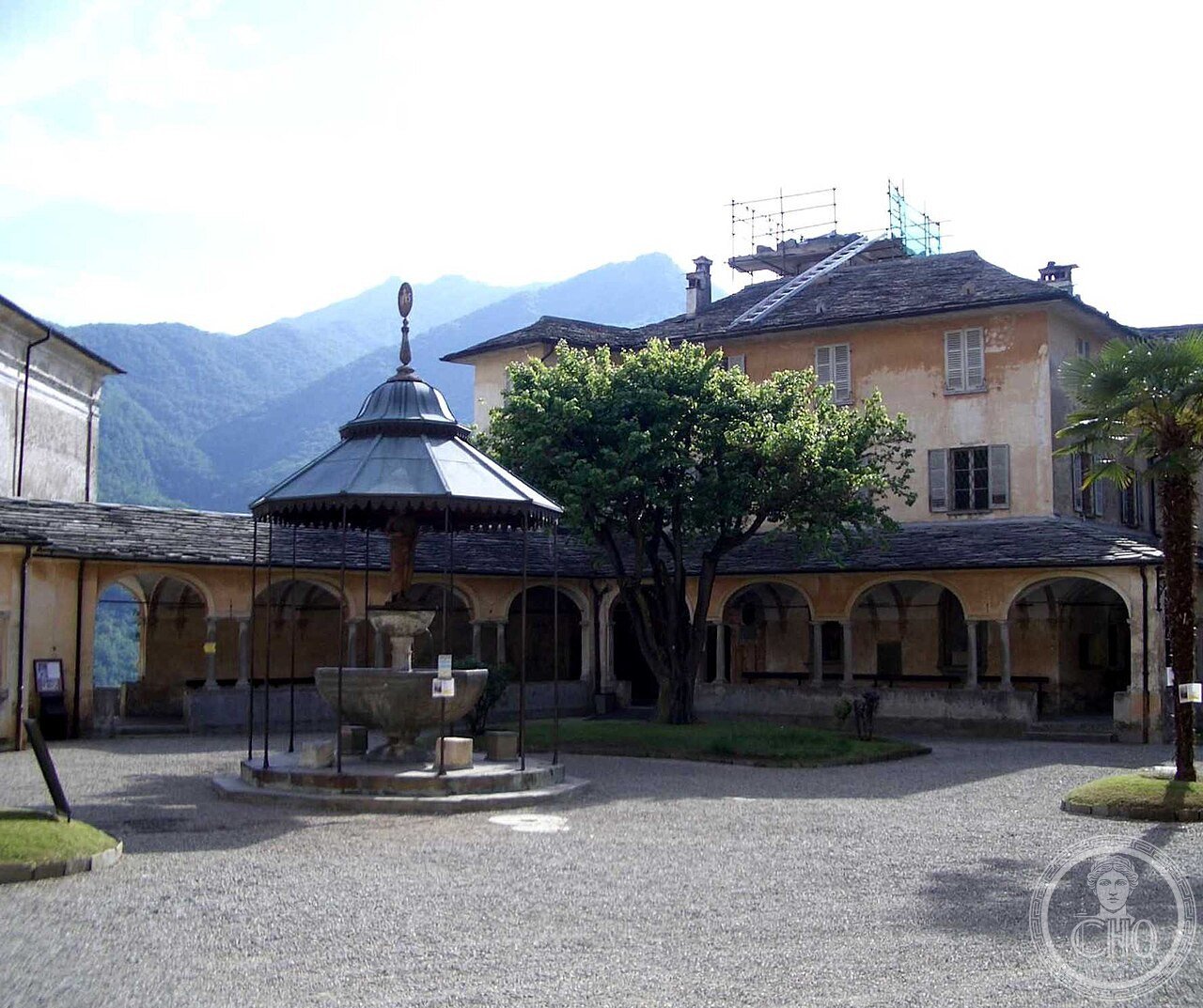
Sacro Monte di Varallo, Varallo, Province of Vercelli, Piemonte, Italy. The view across the valley of the Sesia toward the mountain with the chapel complex (the Sacro Monte occupies the flat-topped hill above the town of Varallo; the basilica (the Basilica della Natività di Maria; the largest structure on the hill) and the 45 chapels (each chapel is a small theatrical diorama of a scene from the Life of Christ, populated with life-size terracotta or painted wood statues in realistic settings with painted illusionistic backgrounds) are visible from the valley below). UNESCO World Heritage Site 2003 (reference 1068) — serial inscription of 9 Sacri Monti across Piemonte and Lombardia. Photo via Wikimedia Commons.
Varallo, Province of Vercelli, Piemonte, Italy · Founded 1493 CE by Bernardino Caimi (Franciscan; returned from Holy Land); 45 chapels; Gaudenzio Ferrari frescoes + polychrome sculptures; Samuel Butler visited 1871 CE; UNESCO WHS 2003 (reference 1068 serial 9 Sacri Monti)

Sacro Monte di Varallo

The Sacro Monte di Varallo (UNESCO 2003) is the oldest and most elaborate of the 9 Piemontese-Lombard sacred mountains — a pilgrimage site founded in 1493 by Franciscan friar Bernardino Caimi to recreate the topography of Jerusalem in the Alps, whose 45 chapel-dioramas of terracotta figures with illusionistic painted backgrounds by Gaudenzio Ferrari are the most consequential immersive religious installations of the Italian Renaissance, and whose peculiar combination of art, architecture, and theatrical devotion fascinated writers from Samuel Butler to Restif de la Bretonne.

At a glance

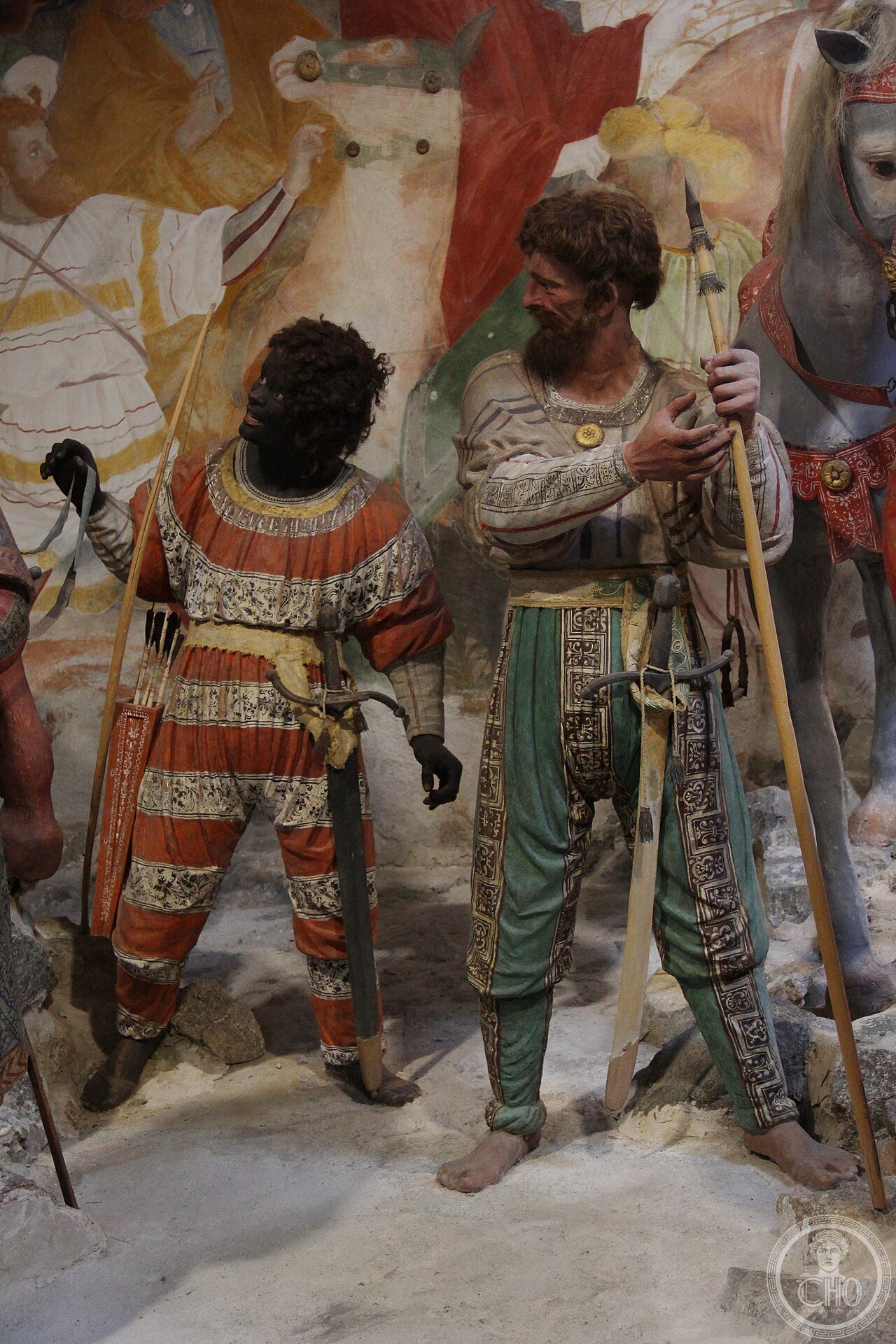
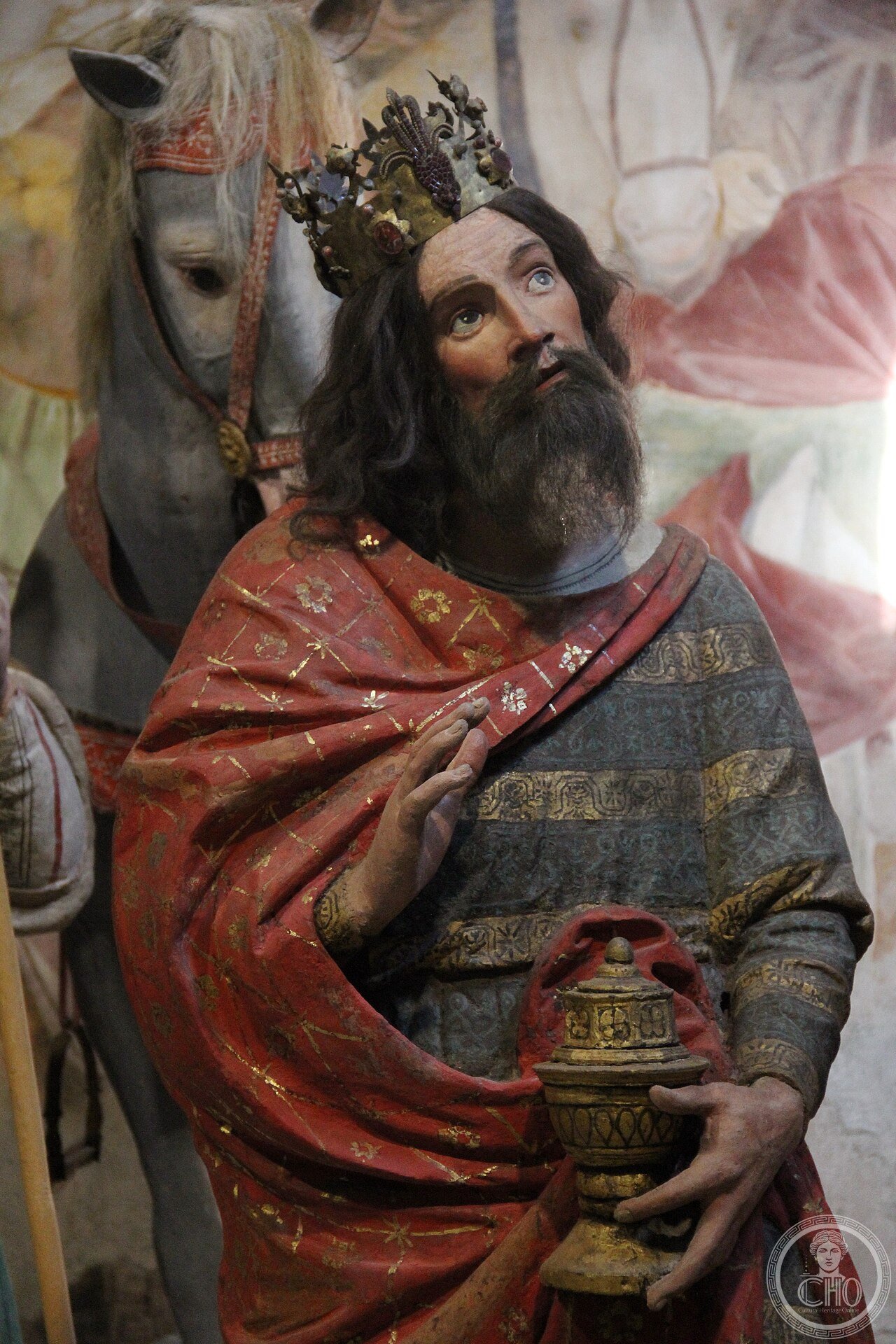
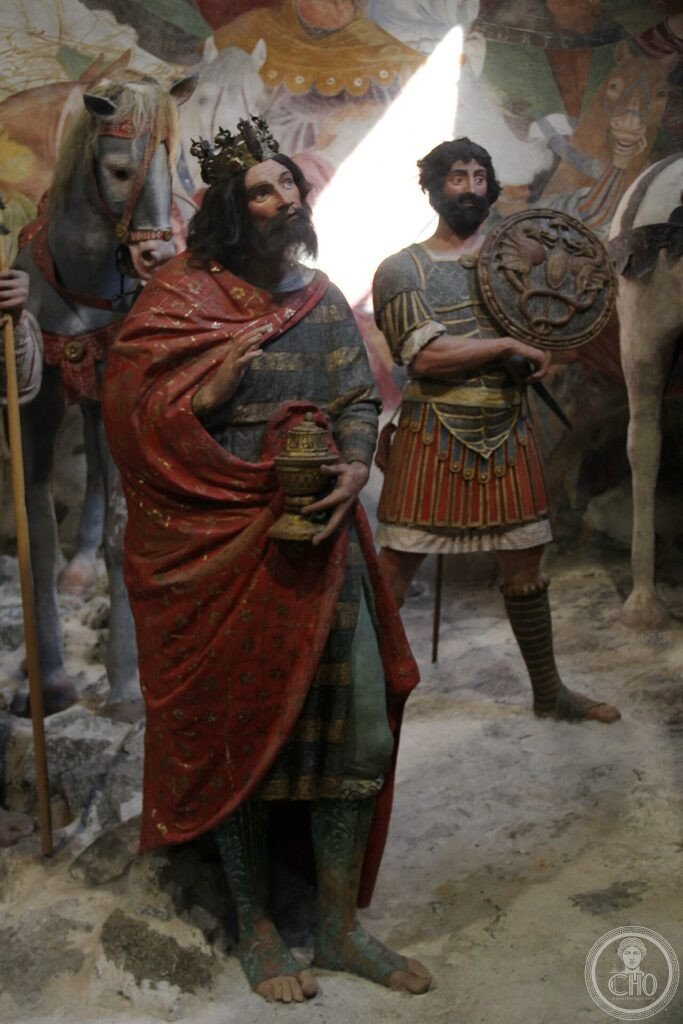
Sacro Monte Varallo (the most precisely SacroMonteVarallo single Varallo Vercelli Piemonte Italy 45.8153 N 8.2571 E UNESCO WHS 2003 reference 1068 serial 9 Sacri Monti: the Sacro Monte (literally “Holy Mountain”) concept: a series of chapels built on a hillside, each chapel containing a theatrical representation (sculptures + paintings) of a scene from the life of Christ or the Virgin; the specific innovation that makes the Sacro Monte type different from a conventional church: the scenes are three-dimensional environments (the sculptures are life-size and positioned in realistic settings with painted illusionistic architectural backgrounds; the visitor walks from chapel to chapel as if walking through the Holy Land itself; the experience is simultaneously pilgrimage (devotional, penitential) and theatre (the scenes are designed for visual impact, with dramatic lighting, realistic detail, and emotional intensity)); the Varallo founding (1493 CE by Bernardino Caimi (d. 1500 CE; Franciscan Guardian of the Holy Sepulchre in Jerusalem 1481–1489 CE; the person who had direct first-hand knowledge of the topography of Jerusalem and the Holy Land); the specific motivation: the Ottoman conquest of Constantinople (1453 CE) and the subsequent Ottoman control of the eastern Mediterranean routes made pilgrimage to Jerusalem increasingly difficult and dangerous for Western Christians; Caimi’s solution was to build a New Jerusalem in the Alps — a site that reproduced the spiritual experience of the Holy Land pilgrimage without requiring the actual journey; the concept was immediately successful: by 1500 CE, Varallo had 20 completed chapels and was receiving thousands of pilgrims per year; by 1600 CE, it had 45 chapels and was the most visited pilgrimage site in northern Italy after Milan); the Gaudenzio Ferrari contribution (1478–1546 CE; the leading Piedmontese painter of the early 16th century; Ferrari worked at Varallo from c.1507 to c.1528 CE; his contribution: the frescoes in the Chapel of the Crucifixion (the largest and most important chapel: a single room with a floor-to-ceiling fresco cycle showing the Crucifixion scene; 70+ painted figures; 2 life-size three-dimensional statues of the Virgin and Saint John at the foot of the painted Cross; the painted and three-dimensional elements are deliberately blended to make it impossible to tell at first glance where the painting ends and the sculpture begins — a technique that Ferrari invented and that would not be used again at this scale until the Bernini chapel constructions of the 17th century)).

Key facts

  • Samuel Butler and “Ex Voto” (1888) — why the Sacro Monte di Varallo was the starting point of the British scholarly interest in vernacular Italian religious art: Samuel Butler (1835–1902 CE; English novelist (Erewhon, 1872 CE; The Way of All Flesh, posthumous 1903 CE); the author of “Alps and Sanctuaries” (1882 CE) and “Ex Voto” (1888 CE) — both books specifically about the Piedmontese sacred mountains; Butler first visited Varallo in 1871 CE and returned many times; his specific thesis (in “Ex Voto”): the sculptures and paintings at Varallo by Gaudenzio Ferrari were the work of a “homely and unaffected genius” that was systematically undervalued by the academic art world because the work was religious and provincial rather than aristocratic and metropolitan; Butler’s argument influenced John Ruskin (who had already visited Varallo in 1845 CE and wrote about it in “Praeterita”) and prefigured the 20th-century interest in vernacular and folk art as legitimate art forms; Butler also wrote (in “Ex Voto”) the first serious analysis of the theatrical psychology of the Sacro Monte chapel dioramas — the first time anyone had analyzed the immersive effect of the three-dimensional + two-dimensional combination on the visitor’s perception; the specific Butler observation: the visitor who enters the Crucifixion chapel in low light and waits for their eyes to adjust cannot immediately tell the difference between the painted and the sculptural elements — the deliberate blurring of the boundary between representation and reality was, in Butler’s reading, Ferrari’s specific innovation and the thing that makes Varallo the most important pre-cinematic immersive environment in European art
  • GPS: 45.8153° N, 8.2571° E

History

From Caimi’s 1493 New Jerusalem to Gaudenzio Ferrari to 2003 UNESCO (the most precisely SacroMonteVarallo single 1493 CE founding: the founding legend (partially historical): Bernardino Caimi returned from Jerusalem in 1480 CE carrying with him measurements of the key holy sites (the Chapel of the Sepulchre, the Via Dolorosa, the Golgotha hill) and the intention of reproducing them in a place that northern Italian pilgrims could reach without crossing the Ottoman sea; the site choice (the Varallo hill): a natural plateau above the Sesia river valley (the Valsesia), accessible from Milan in 2 days on foot, from Turin in 3 days; the original plan called for 14 chapels on the hill corresponding to the 14 Stations of the Via Dolorosa; the plan was expanded almost immediately as donations came in; by Caimi’s death (1500 CE): 20 chapels; by 1550 CE: 35 chapels; by 1600 CE: 45 chapels; the role of Carlo Borromeo (1538–1584 CE; Cardinal Archbishop of Milan; the Counter-Reformation architect in northern Italy; Borromeo visited Varallo in 1578 CE and became the primary patron of the Sacro Monte expansion; he commissioned the architect Pellegrino Tibaldi (1527–1596 CE) to redesign and regularize the chapel sequence and the physical pilgrimage path; the Tibaldi plan: the surviving architecture of most of the chapel buildings dates from the Tibaldi commission (1578–1590 CE); the uniform pilgrimage street layout is Tibaldi’s; the specific Counter-Reformation purpose: Borromeo saw the Sacro Monte as a tool for popular religious education — the illiterate could experience the events of the Gospel by walking through the scenes, in the same way they could “read” the stained glass windows of a Gothic cathedral); the Samuel Butler visits (1871, 1882, 1883, 1888 CE; see above); 2003 CE UNESCO serial inscription reference 1068 covering all 9 Sacri Monti in Piemonte and Lombardia (Varallo; Orta; Oropa; Crea; Ghiffa; Ossuccio; Varese; Domodossola; Belmonte).

What you see

The 45 chapels, the Crucifixion chapel, the Gaudenzio Ferrari frescoes, and the view of the Valsesia (the most precisely SacroMonteVarallo single visit (2–3 hours): 1) approach (the Sacro Monte is 50m above Varallo town; access: the funicular (Funicolare del Sacro Monte; departs from Via Sacro Monte 1; 5-minute ride; €2.50 round trip; operates 9 AM–6 PM in summer) or the walking path (Via Sacro Monte; 25-minute walk; 150m elevation gain; the path passes the Via Crucis stations (8 small outdoor shrines along the ascent path — different from the 45 numbered chapels on the plateau)); 2) the chapel sequence (the 45 chapels are numbered and connected by a pilgrimage street (the Via Sacra; the total circuit is 1.5 km; the chapels are open simultaneously (no tickets for individual chapels; free access except donation; the chapel doors are low (the pilgrim must duck to enter — the architectural gesture of humility before the sacred scene is deliberate); the most important chapels: Chapel 9 (the Nativity; Gaudenzio Ferrari sculptures c.1513 CE; the original polychrome terracotta (1513 CE) is the only surviving early Ferrari sculptural group in situ); Chapel 34 (the Last Supper; Tabachetti (Jean de Wespin) sculptor 1598–1605 CE; the most realistic Last Supper in the Sacro Monte tradition — 13 life-size figures; the bread visible on the table is real molded bread (hardened resin) in the 17th-century type)); 3) the Crucifixion chapel (the most important of the 45; Gaudenzio Ferrari fresco cycle 1513–1523 CE; the dome (the only chapel with a dome): a fresco of the heavens opening above the scene; 70+ figures; the 3 wooden crosses with painted cloth bodies in the foreground; the specific effect: the visitor entering from bright daylight needs 2–3 minutes for their eyes to adjust; during this adjustment period, the boundary between painting and sculpture is genuinely unclear); 4) the Basilica della Natività di Maria (the main church; 1614–1649 CE; the treasury: the silver ex-votos left by pilgrims over 5 centuries (the largest surviving collection of 16th–20th century ex-votos in Piemonte)).

Practical information

  • Getting to Varallo from Milan or Turin and combining with the Valsesia mountain landscape: transport from Milan: TRENORD train from Milano Porta Garibaldi to Novara (30 min; €5); change to regional train Novara → Varallo Sesia (1h30min; €5; the Valsesia branch line; the train follows the Sesia river from Borgosesia into the Alps); from Turin: SAT bus from Turin Porta Susa to Varallo (2h; €8; service 3 times per day); by car: A26 autostrada (Genova–Alessandria–Novara); exit at Romagnano Sesia; SS299 to Varallo (30 km; 40 min); the Varallo station is 2 km from the funicular base; hours: the Sacro Monte is accessible year-round; chapel interiors are open daily 9 AM–12:30 PM and 2 PM–5:30 PM (winter) / 2 PM–7 PM (summer); admission free (donation); guided tours: the Museo Storico Artistico del Tesoro del Sacro Monte organizes guided tours (book at sacromontedivarallo.it; €6 per person; the tour includes the normally-closed Gaudenzio Ferrari studio restoration drawings); the Valsesia combination: the Valsesia (the Sesia river valley above Varallo; access by the SS299 from Varallo toward Alagna Valsesia (35 km; 40 min by car); the ski resort of Alagna Valsesia (4559m Monte Rosa the highest point; the Walser mountain culture (the Walser (Wallis German-speaking alpine people) settled the high valleys of the Valsesia in the 13th century; the surviving Walser wooden houses at Alagna and Rimella are the best example of Walser architecture in Italy outside the Aosta Valley))

Getting there

Train from Milan Porta Garibaldi→Novara (30 min) + Novara→Varallo (1h30, €10 total). Or car from Turin/Milan (A26 exit Romagnano, SS299, 40 min). Funicular to Sacro Monte €2.50 (or 25-min walk). Free entry to chapels (donation). GPS: 45.8153, 8.2571.

Nearby

  • Sacro Monte di Orta — 30 km east (UNESCO WHS 2003 same serial; 20 chapels dedicated to St Francis of Assisi (1591–1770 CE); the Lago d’Orta setting — the smallest of the Piedmontese lakes — is the most scenic of the 9 Sacri Monti)
  • Sacro Monte di Varese — 45 km southeast (UNESCO WHS 2003 same serial; 14 chapels (1604–1680 CE) on Via Sacra from Santa Maria del Monte; the most important Baroque painting cycle among the 9; the Gaetano Monti statues (c.1700 CE) are the most refined sculptural group in any Sacro Monte)

Sources

  • Wikipedia, Sacred Mount of Varallo; Gaudenzio Ferrari; Bernardino Caimi; Samuel Butler, accessed June 2026
  • UNESCO, Sacri Monti of Piedmont and Lombardy, WHS reference 1068, inscribed 2003
  • Butler, Samuel. Ex Voto: an Account of the Sacro Monte or New Jerusalem at Varallo-Sesia. London: Trübner, 1888

Hero image: Sacro Monte di Varallo, Province of Vercelli, Piemonte, Italy, Wikimedia Commons. Editorial text © Cultural Heritage Online, 2026.

📷 Diventa un fotografo di Cultural Heritage Online

Condividi le tue foto dei luoghi: restano pubblicate con la tua firma come autore. Più vengono viste, più ti fai conoscere — e presto un concorso premierà le foto più apprezzate.

Accedi o registrati gratis per aggiungere una foto
📋 Copy & share on social
Scroll to Top