
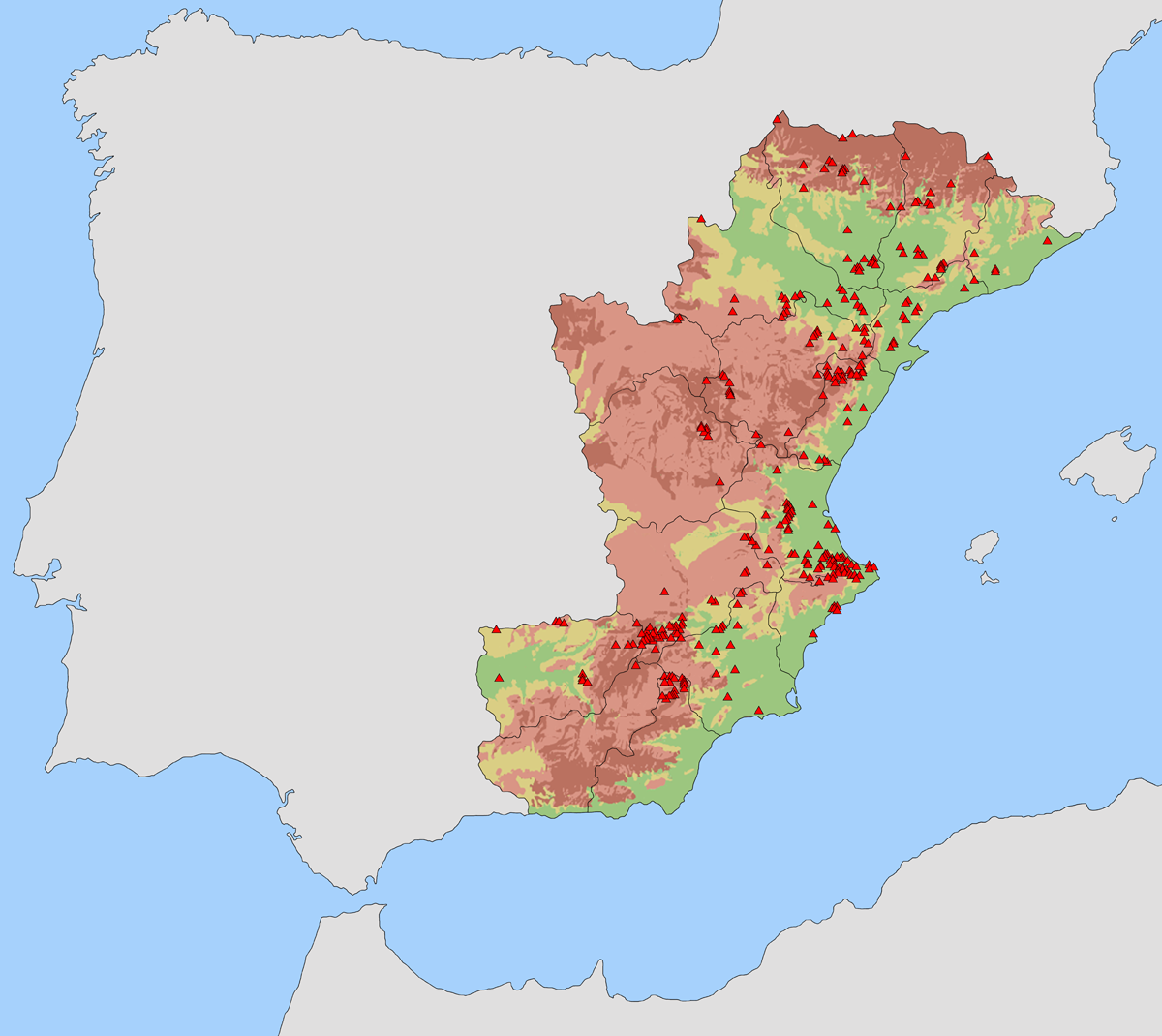
Over 700 sites of Mesolithic painted rock art spread across eastern Spain form Europe’s largest concentration of prehistoric imagery from the Stone Age.
At a glance
This UNESCO World Heritage Site comprises more than 700 locations across eastern Spain, designated collectively in 1998. The art dates to the Upper Paleolithic or Mesolithic periods. Small painted figures of humans and animals constitute the most advanced and widespread surviving imagery of this era in Europe, and arguably worldwide among earlier works.
History
The rock art spans the Upper Paleolithic and Mesolithic periods of the Stone Age, though the Mesolithic attribution is considered more likely. These sites represent a continuous artistic tradition in prehistoric eastern Spain, with the paintings surviving thousands of years in protected rock shelters and open rock faces across the landscape.
What you see
The art consists entirely of small painted figures depicting humans and animals. The human forms show dynamic postures—hunting, gathering, and in motion—while animal figures include ibex, deer, and other fauna. The paintings employ ochre and other natural pigments applied directly to rock surfaces. Stylistic sophistication distinguishes these works, with anatomical detail and compositional awareness evident even in the earliest examples.
Cultural significance
This collection represents the pinnacle of prehistoric artistic achievement in Europe during the Mesolithic period. The sheer number of sites—over 700—makes it the continent’s greatest concentration of such art. The imagery provides crucial evidence of daily life, hunting practices, and social organization in prehistoric Iberia. Recognition as a World Heritage Site reflects global significance in understanding human artistic and cultural development.
Key facts
- Over 700 individual rock art sites
- Location: Eastern Spain, including Aragon and Castilla–La Mancha
- Dating: Upper Paleolithic and Mesolithic periods
- UNESCO World Heritage Site: Inscribed 1998
- Coordinates: 39.79°N, 1.03°W
- Classification: Levantine art (Eastern Spanish art tradition)
Practical information & getting there
The sites are distributed across eastern Spain’s interior and near-coastal regions. Many locations require hiking or specialist knowledge to access safely. Several museums in the region—particularly in Aragon and the province of Albacete—display information about the rock art and guide visitors to accessible sites. Check with local tourism boards for current access and guided tour availability.
Sources & resources
Find it on the map
See this place and what’s around it →📷 Become a Cultural Heritage Online photographer
Share your photos of places: they stay published under your name as the author. The more they're seen, the more you get noticed — and soon a contest will reward the most appreciated photos.
Log in or sign up free to add a photo