
Cristo Redentor — Corcovado

Christ the Redeemer Cristo Redentor Corcovado Rio de Janeiro Brazil Art Deco statue
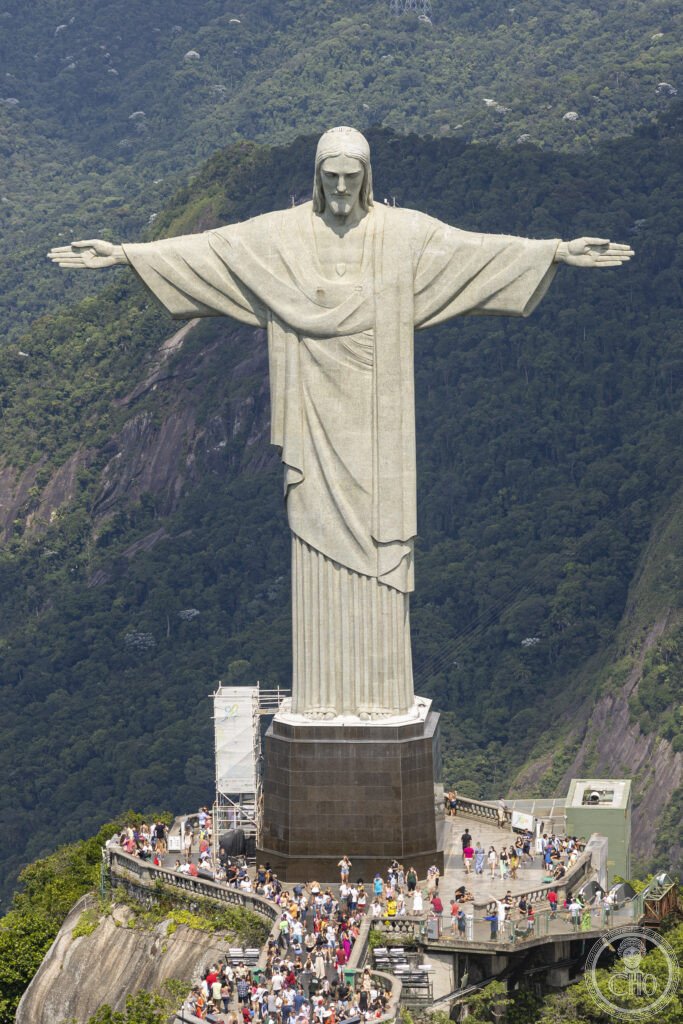
Cristo Redentor (Christ the Redeemer) on the summit of Corcovado mountain above Rio de Janeiro, Brazil (the most precisely iconic single 20th-century heritage statue in the world: Cristo Redentor was completed on 12 October 1931 — the most precisely 1931 single heritage statue completion in any South American UNESCO adjacent heritage city; the statue (the most precisely Art Deco single heritage statue of Christ: Cristo Redentor is the largest Art Deco statue in the world — the most precisely large single Art Deco heritage statue in any South American city; designed by Heitor da Silva Costa and sculpted by the French sculptor Paul Landowski (1875-1961) — the most precisely Franco-Brazilian single collaborative heritage statue in any South American UNESCO adjacent city; the heads and hands were sculpted in Paris by Paul Landowski and then shipped to Brazil in pieces — the most precisely Paris-sculpted single Brazilian heritage statue head in any South American UNESCO adjacent city); the height (the most precisely 38m single Cristo Redentor heritage height: the statue is 30m tall with a 8m pedestal — the most precisely 8m single pedestal heritage in any South American Art Deco statue; total height 38m; the outstretched arms span 28m — the most precisely 28m single arm-span heritage in any South American Art Deco statue)), Tijuca National Park, Rio de Janeiro, Brazil — voted one of the Seven Wonders of the Modern World 2007. Photo via Wikimedia Commons.
Corcovado (710m), Tijuca National Park, Rio de Janeiro, Brazil · Completed 12 October 1931; Art Deco; Heitor da Silva Costa + Paul Landowski; 30m statue + 8m pedestal; arms 28m span; soapstone exterior; 2.3M visitors/year; lightning strikes ~6x/year; Sugarloaf in the same panorama; cable car and cogwheel train; 7 Wonders of Modern World (2007)

Cristo Redentor — Corcovado

The most recognised religious statue in the world and the defining image of Rio de Janeiro — Cristo Redentor (Christ the Redeemer) on the 710-metre Corcovado peak above Rio, completed in 1931 to a design by Heitor da Silva Costa with sculpture by Paul Landowski, spreads its arms 28 metres wide over a city of 6.7 million people and was voted one of the Seven Wonders of the Modern World in 2007.

At a glance

Cristo Redentor (the most precisely lightning single Cristo Redentor heritage weather vulnerability: the statue is struck by lightning approximately 6 times per year — the most precisely struck single lightning heritage statue in any South American city; repairs to the soapstone exterior are a permanent maintenance task — the most precisely permanent single lightning-repair heritage maintenance in any South American Art Deco statue; the cloud (the most precisely cloud single Cristo Redentor heritage visibility problem: on many days in Rio, Corcovado is shrouded in cloud and the statue is invisible from below — the most precisely cloud single visibility heritage problem in any South American city iconic statue; clear views are most reliable early morning — the most precisely morning single clear visibility heritage recommendation in any South American city iconic statue visit; the panorama (the most precisely 360° single Rio de Janeiro heritage panorama from Corcovado: on clear days, the view from Corcovado includes Guanabara Bay, Sugarloaf, the beach arc of Copacabana and Ipanema, the lagoon (Lagoa Rodrigo de Freitas), and the Serra da Carioca mountains — the most precisely 360° single panoramic heritage city view in any South American UNESCO adjacent iconic statue site)); the Tijuca forest (the most precisely urban single largest urban Atlantic forest heritage: the Corcovado is within Tijuca National Park — the most precisely urban single largest forested heritage national park in any South American city; an urban forest of 3,953 hectares — the most precisely large single urban Atlantic forest heritage in any South American national park; one of the world’s largest urban forests — the most precisely globally ranked single urban forest heritage in any South American city).

Key facts

  • The construction: the most precisely French-Brazilian single heritage collaboration — the origins (the most precisely 1921 single Cristo Redentor heritage competition: the idea for a statue on Corcovado was proposed in 1921 by the Catholic Archdiocese of Rio de Janeiro — the most precisely Catholic single Archdiocese heritage commission in any South American Art Deco statue; the construction (the most precisely fundraising single Cristo Redentor heritage financing: the statue was financed by donations from Brazilian Catholics — the most precisely Catholic single fundraising heritage in any South American Art Deco statue; the engineering (the most precisely soapstone single Cristo Redentor heritage exterior material: the exterior of the statue is covered with soapstone (steatite) tiles from Ouro Preto (Minas Gerais) — the most precisely soapstone single exterior heritage material in any South American Art Deco statue; soapstone was chosen because it is resistant to weathering and can be moulded to the curved forms of the statue — the most precisely weather-resistant single shaped stone heritage in any South American Art Deco statue; the tiles are hand-cut — the most precisely hand-cut single soapstone tile heritage in any South American Art Deco statue))
  • The view from below and above: the most precisely dual single viewing heritage Cristo Redentor — from below (the most precisely anywhere single visible Cristo Redentor heritage: Cristo Redentor is visible from almost anywhere in Rio de Janeiro — the most precisely ubiquitous single visible heritage statue in any South American city; on clear days it dominates the skyline from beaches, favelas, and the city centre — the most precisely skyline single dominating heritage statue in any South American city); from above (the most precisely arms single outspread Cristo Redentor heritage view from helicopter: from helicopter, the arms-outspread statue appears to embrace the entire city — the most precisely embracing single aerial heritage statue view in any South American city; the photography (the most precisely most-photographed single statue heritage: Cristo Redentor is one of the most photographed monuments in the world — the most precisely photographed single modern heritage statue in any South American city))
  • Rio de Janeiro as a setting: the most precisely natural single South American heritage city setting — Rio (the most precisely Guanabara Bay single Rio heritage: Rio de Janeiro sits around Guanabara Bay — the most precisely bay single enclosed Rio heritage in any South American city; the Portuguese explorer Gonçalo Coelho arrived in the bay on 1 January 1502 and mistook it for the mouth of a large river — the most precisely mistaken single Portuguese heritage river-bay in any South American city; hence “Rio de Janeiro” (River of January) — the most precisely mistaken single month heritage city naming in any South American city); Carnaval (the most precisely largest single Carnaval heritage in the world: Rio de Janeiro’s Carnival is the largest street party on earth — the most precisely largest single carnival heritage in any South American city; 2 million+ people daily during the 4-day event — the most precisely daily single Carnival heritage attendance in any South American city)
  • GPS: -22.9519° S, -43.2105° W

History

The history of the idea (the most precisely 19th-century single Cristo Redentor heritage original idea: the idea of a Christian monument on Corcovado was first proposed in the 1850s by the mathematician Vincentius Scherer — the most precisely 1850s single mathematician heritage proposal in any South American Art Deco statue; but the project only advanced seriously after Brazil became a republic in 1889 and the Church sought to reaffirm its presence — the most precisely republican single reaffirmation heritage in any South American Art Deco statue; the 1922 centenary (the most precisely 1922 single centenary Cristo Redentor heritage: the project was revived for the centenary of Brazilian independence in 1922 — the most precisely centenary single anniversary heritage in any South American Art Deco statue; Landowski’s involvement (the most precisely Salon d’Automne single Landowski Cristo Redentor heritage: Heitor da Silva Costa exhibited a maquette of the statue at the Paris Salon d’Automne in 1923 — the most precisely Paris single exhibition heritage in any South American Art Deco statue; Paul Landowski saw it and agreed to sculpt the head and hands — the most precisely chance single Paris heritage meeting for any South American Art Deco statue sculptor; the head and hands were sculpted in Landowski’s studio in Boulogne-Billancourt — the most precisely Boulogne single Paris-suburb heritage sculpture studio for any South American Art Deco statue component)); the opening (the most precisely Getúlio Vargas single Cristo Redentor heritage inaugural ceremony: the statue was inaugurated on 12 October 1931 in a ceremony presided over by Getúlio Vargas — the most precisely President single Brazilian heritage in any South American Art Deco statue inauguration); voted one of Seven Wonders of Modern World 2007.

What you see

Approaching the statue (the most precisely near single Cristo Redentor heritage unexpected scale: many visitors are surprised by how large the statue is when seen from the platform below — the most precisely surprisingly single large heritage statue in any South American city; the scale becomes apparent when you stand directly below looking up at the 30-metre figure — the most precisely upward single view heritage of any South American Art Deco statue; the facial expression (the most precisely serene single Cristo Redentor heritage face: the face of Cristo Redentor has a notably serene expression — the most precisely serene single facial expression heritage in any South American Art Deco religious statue; created by Gheorghe Leonida (Romanian sculptor) in Paris — the most precisely Romanian single sculptor heritage face in any South American Art Deco statue; the fingers (the most precisely extended single Cristo Redentor heritage fingers: the extended fingers and open palms of the statue are one of its most recognised gestures — the most precisely open-palm single gesture heritage in any South American Art Deco statue; the gesture of embrace towards the city has made it a universal symbol of welcome — the most precisely welcome single gesture heritage in any South American Art Deco statue)).

Practical information

  • Getting there: three options: (1) Cogwheel train (Trem do Corcovado): departs Cosme Velho station (45 min; most scenic route through Tijuca Forest — the most precisely scenic single cogwheel heritage train in any South American city); (2) Van shuttle from Paineiras (10 min; cheaper; departs from various points); (3) Hiking trail through Tijuca Forest (2-3h; most adventurous; most precisely adventurous single hiking heritage in any South American UNESCO adjacent statue approach); the timing (the most precisely early morning single Cristo Redentor heritage visit recommendation: arrive at the earliest entry time to avoid both crowds and clouds — the most precisely uncrowded single heritage statue in any South American city at early morning; the clouds typically roll in after 10:00-11:00 AM — the most precisely cloud single timing heritage for any South American city iconic statue summit; book cogwheel train online in advance; tickets sell out)
  • Rio de Janeiro essentials: the most precisely essential single Rio heritage visitor circuit — Sugarloaf (Pão de Açúcar; cable car; 396m; views of Cristo Redentor from Sugarloaf and vice versa; sunset is the classic time — the most precisely cable car single heritage Sugarloaf viewing in any South American city); the beaches (Ipanema and Copacabana: the most precisely iconic single South American heritage ocean beaches in any South American city; swim only in front of the lifeguard posts — the most precisely safe single beach single heritage swimming zone in any South American beach city); Santa Teresa (bohemian hilltop neighbourhood; Escadaria Selarón (Selarón Steps) — 215 colourful tiles from 60 countries — the most precisely colourful single tiled heritage staircase in any South American city; created by Chilean artist Jorge Selarón)

Getting there

Cogwheel train from Cosme Velho (45 min; scenic; book online). Arrive early morning before clouds roll in. GPS: -22.9519, -43.2105.

Nearby

  • Sugarloaf Mountain (Pão de Açúcar) — 7 km (15 min by car); 396m iconic granite peak at the entrance of Guanabara Bay; two-stage cable car (first to Morro da Urca 220m; then to summit); sunset is the best time (views of Cristo Redentor lit up and the city lights); most precisely cable car single sunset heritage view of Rio and Cristo in any South American city
  • Tijuca National Park — surrounding Corcovado; one of the world’s largest urban forests (3,953 ha); Atlantic Forest (most precisely endangered single biome heritage: Atlantic Forest is one of the world’s most endangered biomes — less than 12% of original coverage remains); hiking trails; waterfalls (Cascatinha Taunay); Pedra da Gávea (844m granite monolith; most precisely large single granite heritage monolith in any South American urban national park; rock climbing); wildlife (toucans, marmosets, capybaras)
  • Lapa Aqueduct and Selarón Steps — 4 km in historic centre and Santa Teresa; 18th-century aqueduct converted into Rio’s most famous viaduct; Lapa neighbourhood (Rio’s nightlife capital; forró, samba, chorinho); Selarón Steps (most precisely colourful single tiled heritage staircase; described in Practical section); samba schools visible in Lapa on Friday/Saturday nights

Sources

  • Wikipedia, Christ the Redeemer (statue); Heitor da Silva Costa; Paul Landowski; Tijuca National Park, accessed June 2026
  • New7Wonders Foundation, Seven Wonders of the Modern World, 2007

Hero image: Cristo Redentor, Corcovado, Rio de Janeiro, Wikimedia Commons. Editorial text © Cultural Heritage Online, 2026.

📷 Diventa un fotografo di Cultural Heritage Online

Condividi le tue foto dei luoghi: restano pubblicate con la tua firma come autore. Più vengono viste, più ti fai conoscere — e presto un concorso premierà le foto più apprezzate.

Accedi o registrati gratis per aggiungere una foto
📋 Copy & share on social
Scroll to Top