
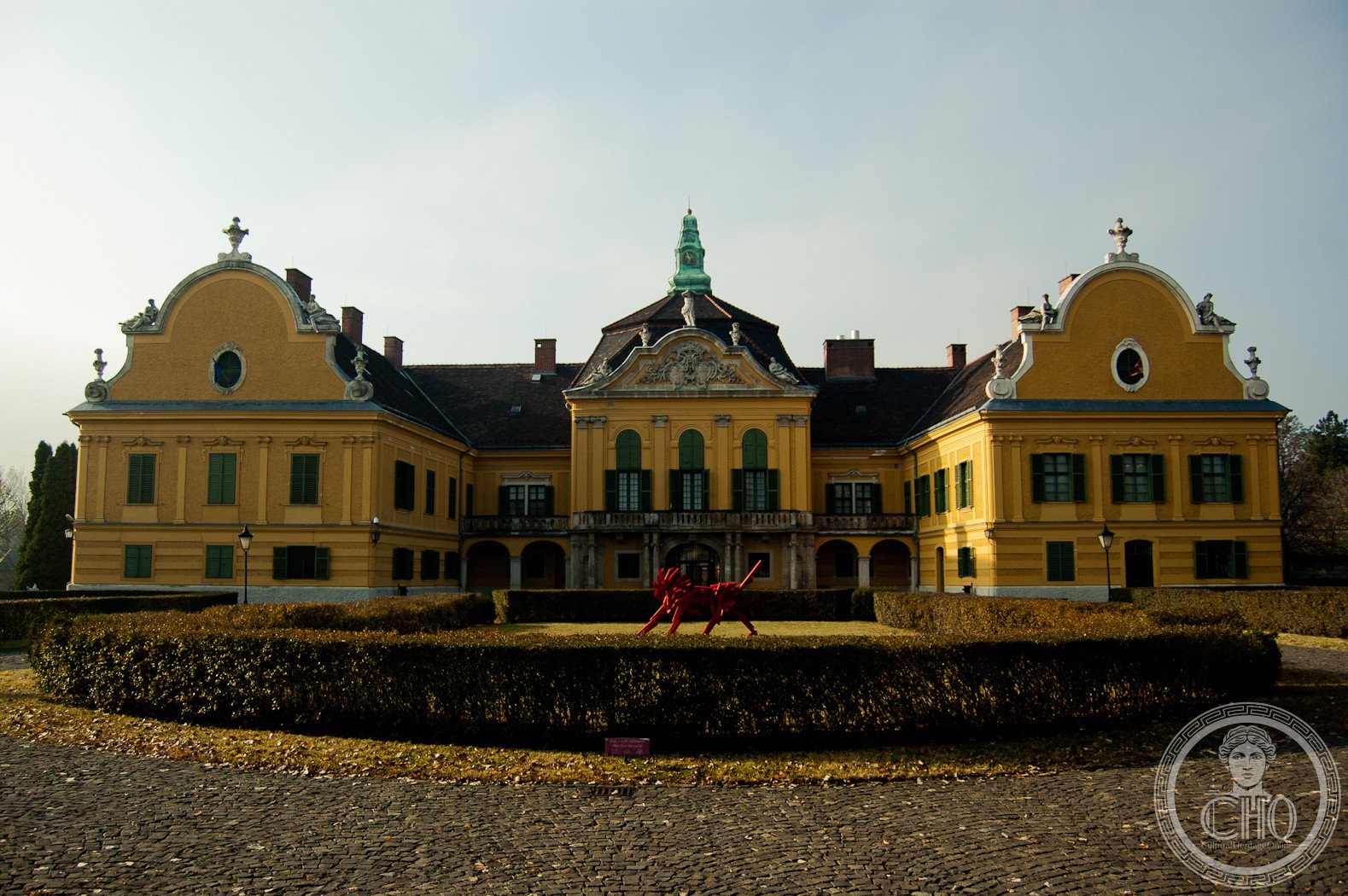
A baroque palace transformed into Hungary’s premier furniture museum, showcasing decorative arts across centuries within its stately rooms.
At a glance
Nagytétény Palace, also known as Száraz-Rudnyánszky Palace, stands in Budapest’s 22nd District as the furniture museum of the Museum of Applied Arts. The institution opened to the public in 1949, establishing the palace as a dedicated space for displaying and studying Hungarian and European furniture design.
History
The palace’s origins trace to its function as a noble residence. Following the mid-twentieth century, it underwent transformation into a cultural institution. The Museum of Applied Arts recognized its potential as a specialized venue and established the furniture collection there in 1949, dedicating the entire building to this singular curatorial focus.
What you see
The palace displays baroque architectural character typical of Budapest’s aristocratic estates. Its rooms provide atmospheric settings for the displayed furniture—period pieces arranged within period spaces, allowing visitors to understand decorative arts within their original domestic contexts rather than isolated in galleries.
Cultural significance
As Hungary’s dedicated furniture museum, Nagytétény Palace preserves and interprets the evolution of design across multiple centuries and stylistic periods. The collection illuminates craftsmanship, materials, and aesthetic preferences that shaped European domestic life. The palace itself functions as both container and context for understanding how Hungarians and their European neighbors lived.
Key facts
- Location: 9-11 Kastélypark Street, 22nd District, Budapest
- Country: Hungary
- Established as furniture museum: 1949
- Coordinates: 47.3908, 18.9872
- Parent institution: Museum of Applied Arts
Practical information & getting there
The palace is located in Budapest’s 22nd District. Visit the Museum of Applied Arts website for current hours, admission fees, and transportation details. Public transit connections serve the Kastélypark Street area. Contact the museum directly for group visits and special exhibitions.
Sources & resources
Find it on the map
See this place and what’s around it →📷 Become a Cultural Heritage Online photographer
Share your photos of places: they stay published under your name as the author. The more they're seen, the more you get noticed — and soon a contest will reward the most appreciated photos.
Log in or sign up free to add a photoIs this page about you?
This page is read by travellers and heritage enthusiasts who find it on Google. Tell us how you are connected to this place and we will take it from there.