
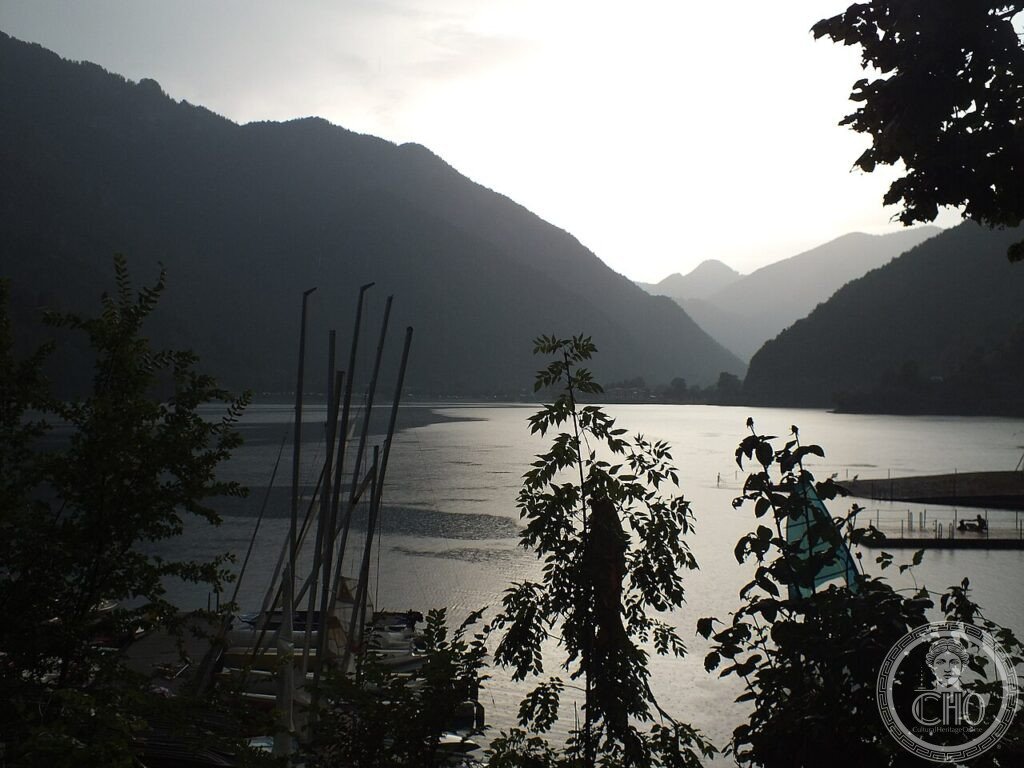
An Alpine lake preserving one of the most important Bronze Age pile-dwelling settlements in Italy, with 12,000 stakes still visible in the lakebed and a museum at the water’s edge that has yielded a complete picture of lakeside life 4,000 years before the present.
At a glance
Lago di Ledro lies in the western Trentino at 652 metres, an elongated moraine lake draining south toward Lake Garda. In 1929, lake level management works exposed a dense field of wooden stakes and Bronze Age artefacts — the remains of a lake-dwelling settlement occupied between approximately 3000 and 1200 BCE, making it one of the best-documented pile-dwelling sites in the Alpine arc.
The site is part of the transnational UNESCO inscription “Prehistoric Pile Dwellings around the Alps” (2011, ref. 1363), which covers 111 sites in Austria, France, Germany, Italy, Slovenia, and Switzerland. The Italian sites include Ledro, Fiavè (also in Trentino), and several sites on Lakes Garda, Maggiore, and Varese. The Museo delle Palafitte del Lago di Ledro, at the lake shore in Molina di Ledro, displays the 1929 finds and provides context for the archaeology.
Key facts
- Occupation period: c. 3000–1200 BCE (Early to Late Bronze Age)
- Stakes preserved: ~12,000 visible in lakebed, c. 4,000 per structure complex
- Discovery: 1929, during lake-level lowering for hydroelectric works
- Museo delle Palafitte: Molina di Ledro, open year-round
- UNESCO inscription: 2011, ref. 1363 — “Prehistoric Pile Dwellings around the Alps”
- Altitude: 652 m
- GPS: 45.8820, 10.7470 — Google Maps
History
The first pile-dwelling sites were identified at Lake Zurich in 1854, during a drought that exposed the lakebed; by the end of the nineteenth century, lakeside sites had been found across the Alps and the term “lake dwellings” (Pfahlbauten in German) had entered popular consciousness. The Ledro site was identified much later, in 1929, when the ENEL hydroelectric company lowered the lake level and exposed a field of stakes and Bronze Age objects — including a large cache of bronze tools, weapons, and personal ornaments that is now the centrepiece of the Molina museum.
The 1929 finds were dramatic: swords, daggers, axes, fibulae, and pottery in styles linking the site to the early Terramare culture and the broader European Bronze Age. The museum was established on site in the 1930s and has been progressively expanded. The UNESCO inscription in 2011 placed Ledro within a network of 111 Alpine pile-dwelling sites across six countries, the largest transnational cultural heritage inscription of its period.
What you see
The museum occupies a long, low building directly on the Ledro lakeshore at Molina. The main gallery organises finds chronologically: Chalcolithic period (before 2500 BCE), Early Bronze Age, and the material-rich Middle and Late Bronze Age from which most of the metal objects come. The reconstructed pile dwelling at the edge of the lake — several timber platforms on stilts above the water — gives a concrete sense of scale and construction method.
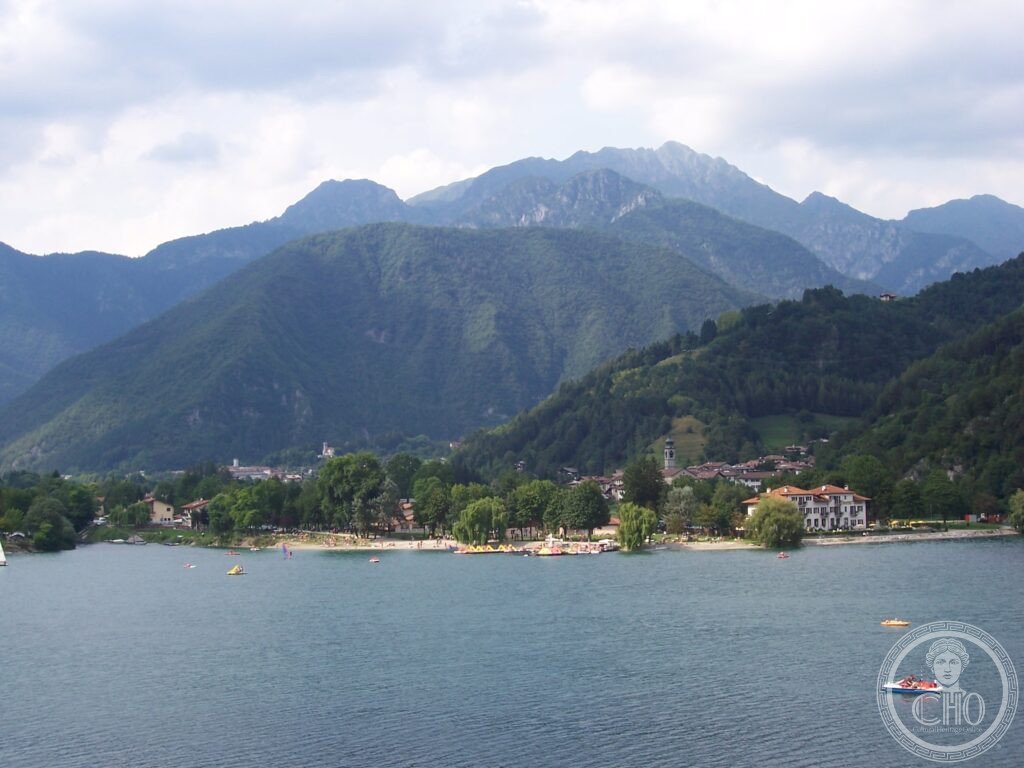
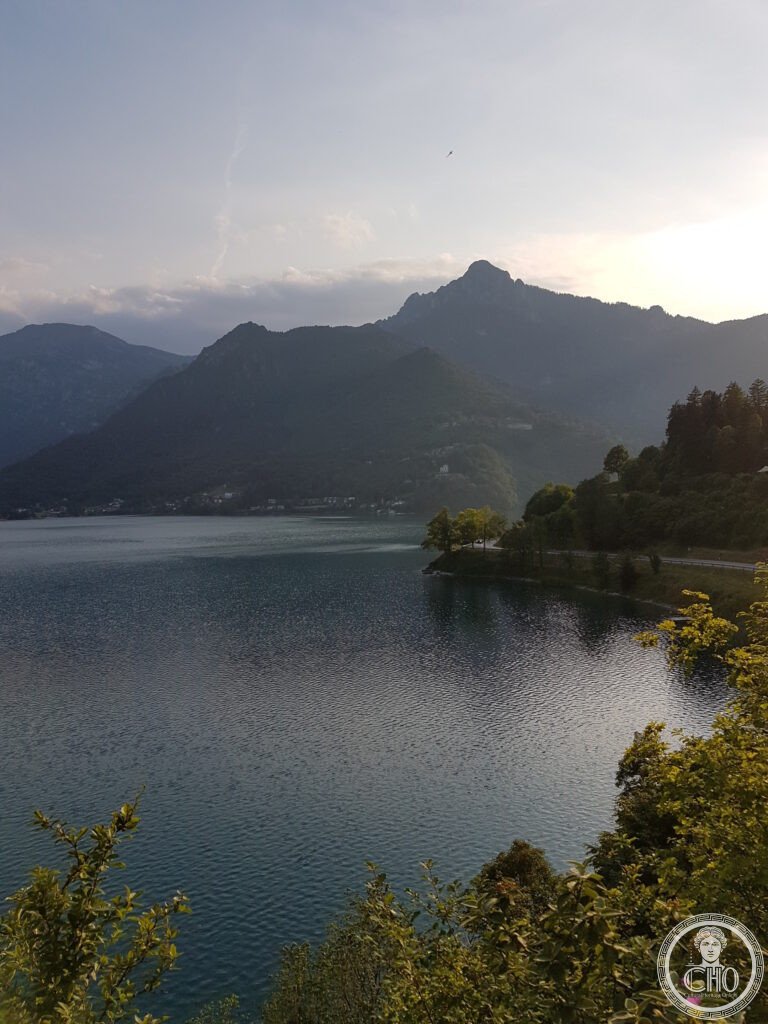
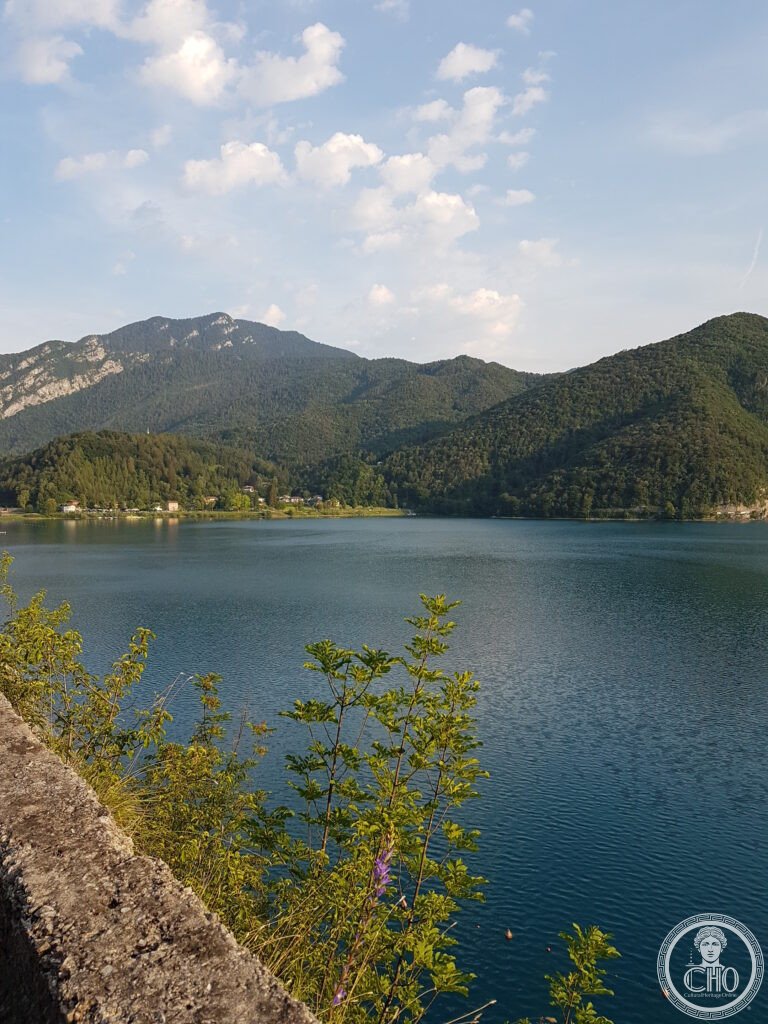
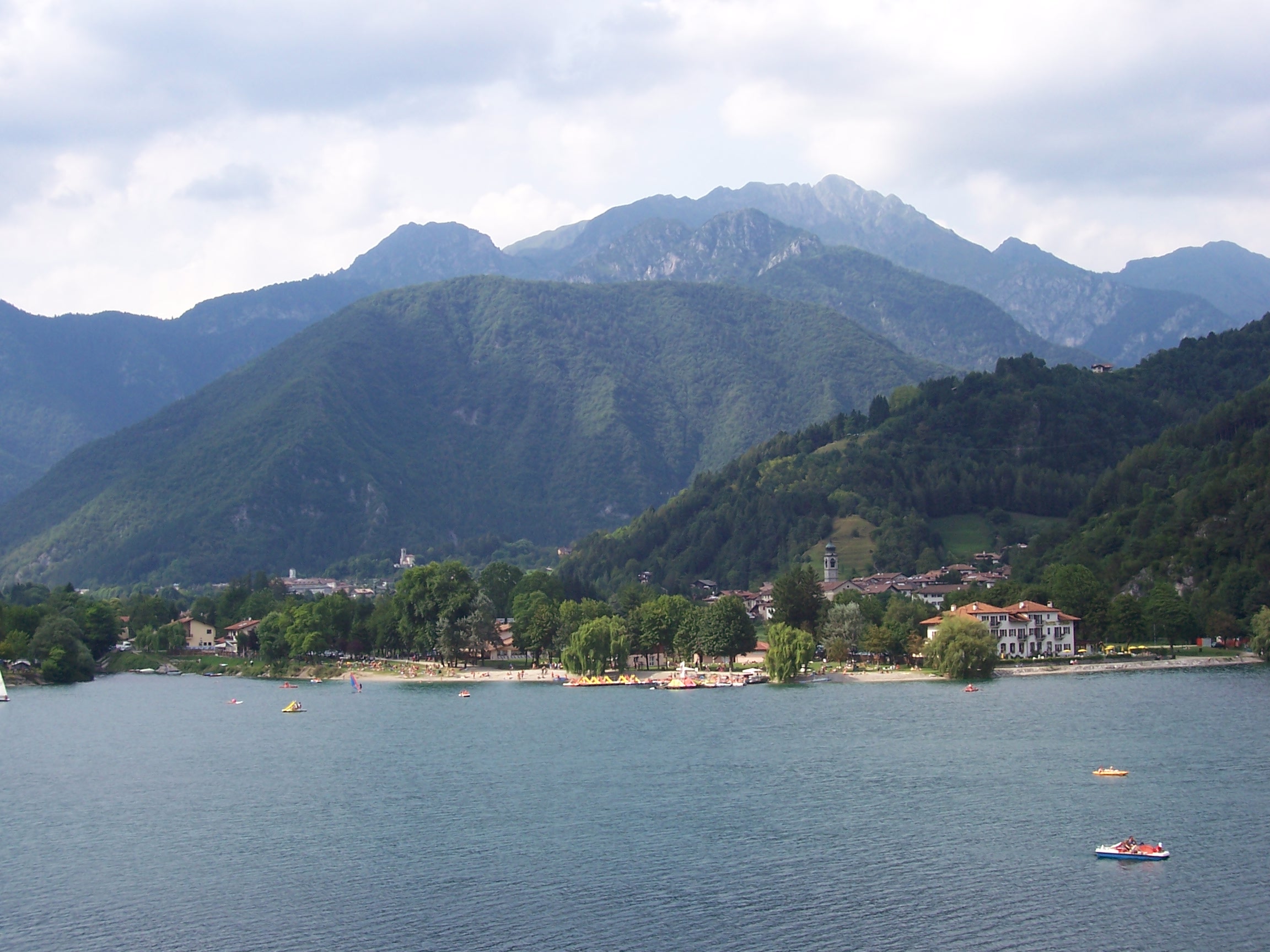
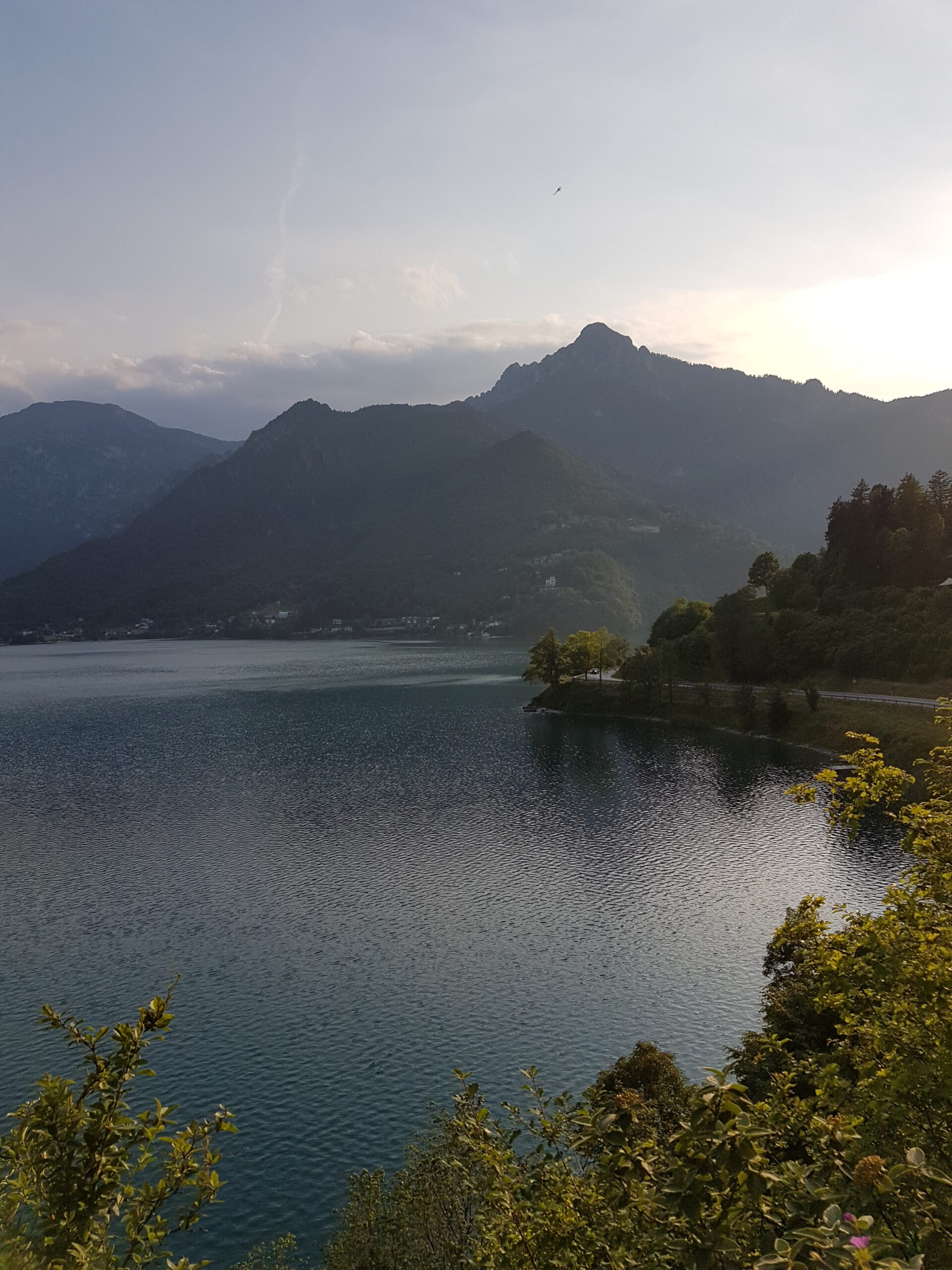
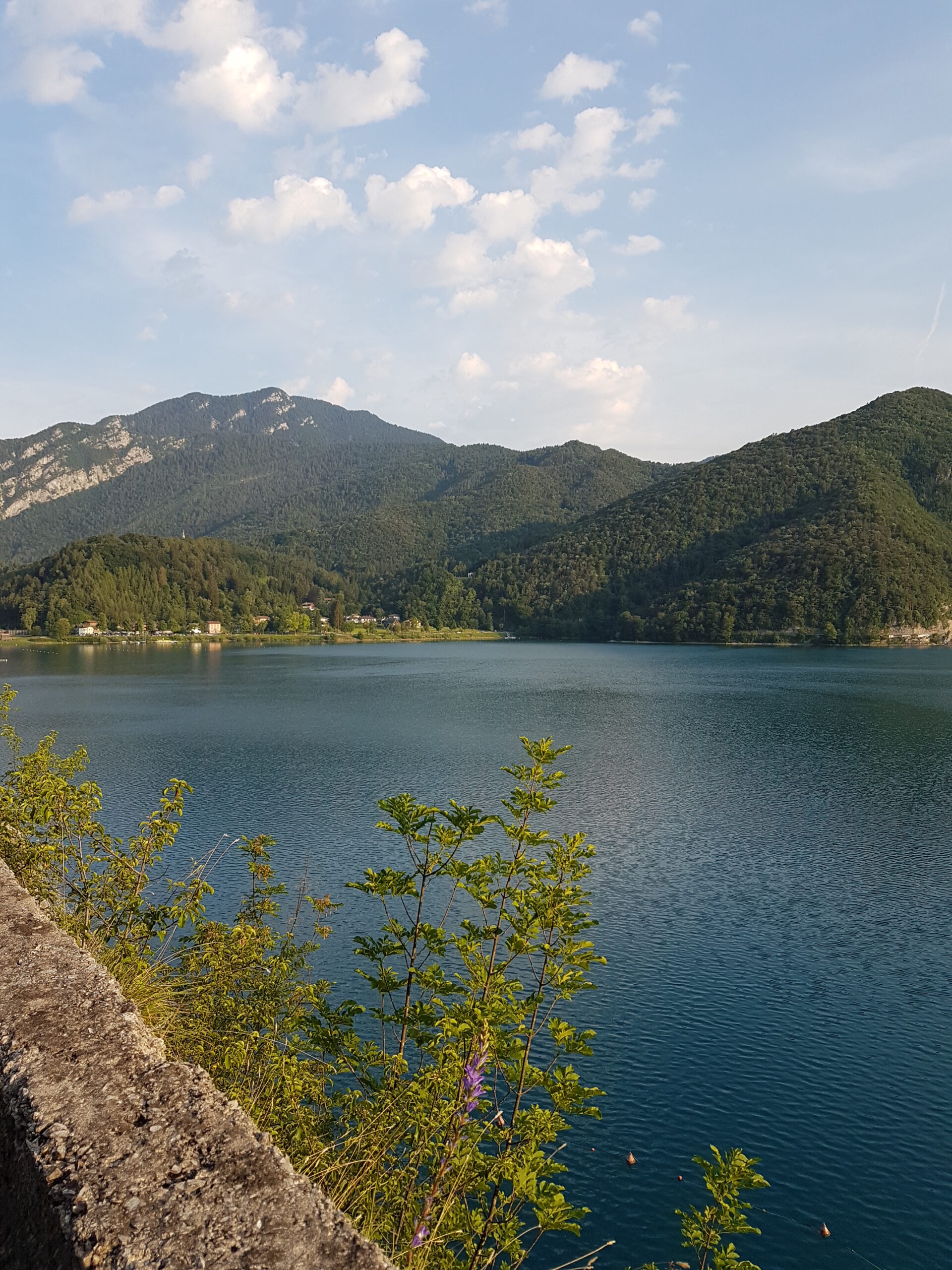
From the lakeside terrace, wooden stakes are visible in the water on low-water days, typically in late summer. The lake itself is a classic moraine formation, with the characteristic turquoise tint of Alpine lakes fed by glacial meltwater. The village of Molina is small; a marked walking path runs from the museum along the north shore toward Mezzolago, passing through terraced olive groves above the lake (rare at this altitude; possible only in the mild microclimate of the western Trentino).
Gallery
Practical information
- Museum opening: Year-round; March–October daily 10:00–18:00; November–February Tuesday–Sunday 10:00–17:00. Closed Monday in winter.
- Admission: Museum fee (c. €5 adult, reduced for children); combined ticket with Fiavè site available.
- Duration: Museum 1–1.5 hours; lakeside walk additional 1–2 hours.
- Swimming: Public beaches at Molina and Mezzolago; Ledro is one of the cleaner lakes in western Trentino.
Getting there
Ledro is 27 km north-west of Riva del Garda. By car: from Riva del Garda take the SS45b north toward Storo, then turn onto the SR240 (Ledro valley road) — a 16 km single-lane valley road with passing places (20 min). From Brescia: A4 to Desenzano, then SS572 to Riva del Garda, then SR240 (~1h45 total). No bus service from Riva in off-season; summer bus (line 211) from Riva del Garda to Molina di Ledro (35 min). Nearest train station: Rovereto (40 km) or Brescia (A4 junction).
Nearby
- Riva del Garda — north shore of Garda, 27 km south; Museo Alto Garda with Klimt fresco fragment
- Sito palafitticolo di Fiavè — second Trentino UNESCO pile-dwelling site, 19 km north; Museo delle Paludi di Fiavè
- Arco — medieval cliff castle, 25 km south-east
Sources
- UNESCO World Heritage Centre: whc.unesco.org/en/list/1363
- Wikipedia EN: Ledro
- Museo delle Palafitte del Lago di Ledro: museopalafitte.it
- Perini, Bernardino: Palafitte del Lago di Ledro, Trento, 1975
Gallery
Find it on the map
See this place and what’s around it →📷 Become a Cultural Heritage Online photographer
Share your photos of places: they stay published under your name as the author. The more they're seen, the more you get noticed — and soon a contest will reward the most appreciated photos.
Log in or sign up free to add a photo