

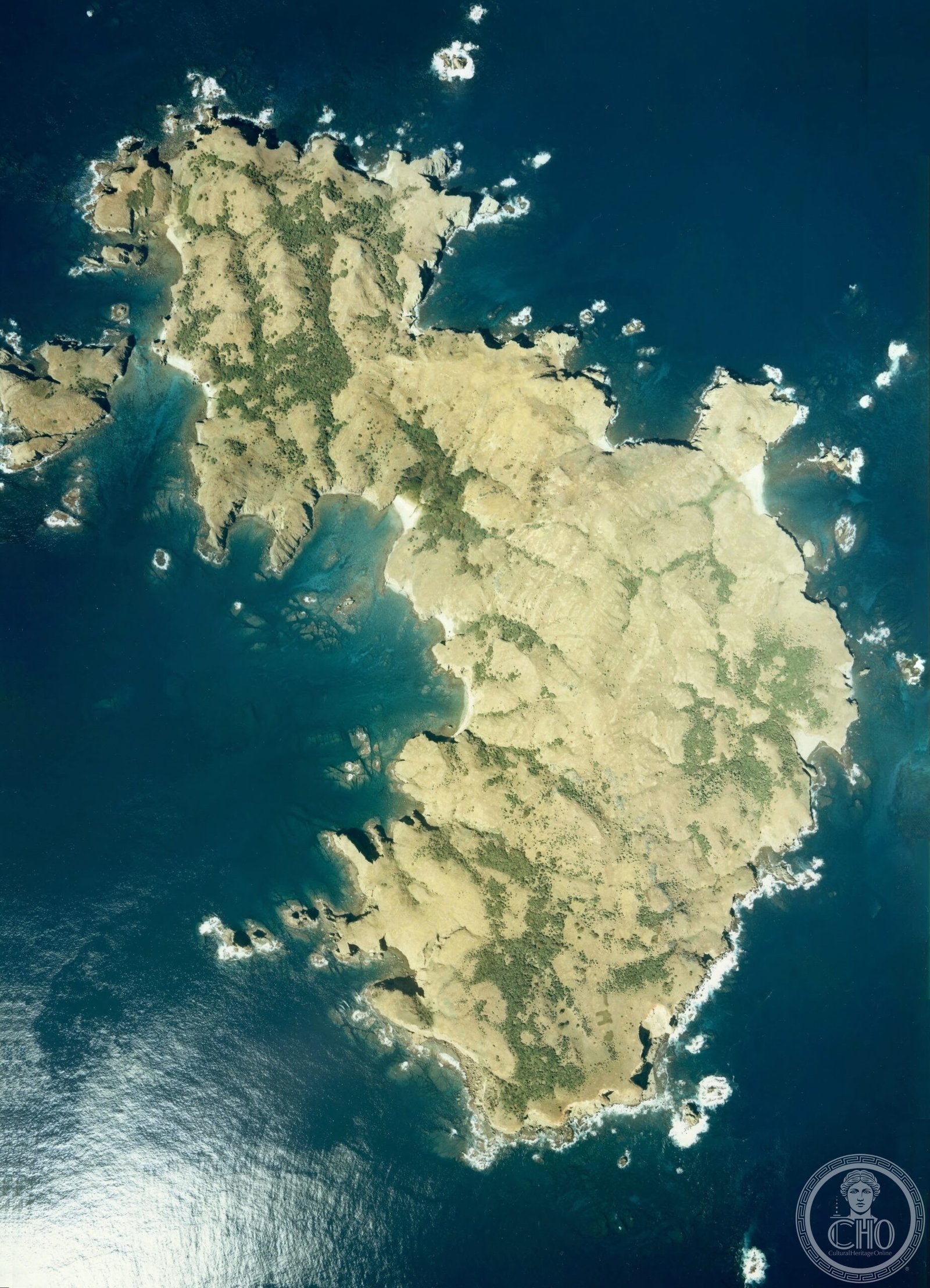
An uninhabited volcanic island at the northern edge of the Bonin Islands, Muko-jima represents a pristine natural landscape protected within Japan’s UNESCO World Heritage Site and national park system.
At a glance
Muko-jima forms part of the Mukojima Islands, the northernmost group within the Bonin Islands archipelago. The island itself remains uninhabited, its ecology and geology preserved under strict environmental protection. The surrounding waters and reefs contribute to one of Japan’s most significant marine and terrestrial heritage zones.
History
The Mukojima Islands were historically known to Western navigators as the Parry Group. Today, Muko-jima exists primarily as a natural reserve, its isolation and lack of permanent settlement allowing its ecosystems to develop without human disturbance.
What you see
As an uninhabited natural site, Muko-jima offers volcanic geology and endemic flora characteristic of the remote Bonin Islands. Surrounding reefs create a significant marine environment.
Cultural significance
Muko-jima holds importance as part of Japan’s natural heritage rather than cultural heritage. The Ogasawara Islands UNESCO World Heritage Site recognizes the exceptional biodiversity and geological significance of this remote Pacific archipelago, which includes species found nowhere else on Earth.
Key facts
- Location: Ogasawara village, Tokyo Metropolis, Japan
- Coordinates: 27.68°N, 142.14°E
- Status: Uninhabited
- Protected areas: Ogasawara National Park; Ogasawara Islands UNESCO World Heritage Site (147 hectares/360 acres including reefs)
- Island group: Mukojima Islands (formerly Parry Group), northernmost of the Bonin Islands
Practical information & getting there
Muko-jima is uninhabited and inaccessible to the general public. Access to the Ogasawara Islands requires a ferry from Tokyo to the main settlement on Chichijima, approximately 25 hours offshore. Local regulations strictly limit visits to protected areas. Check with Ogasawara village authorities before planning any visit to the region.
Sources & resources
Find it on the map
See this place and what’s around it →📷 Become a Cultural Heritage Online photographer
Share your photos of places: they stay published under your name as the author. The more they're seen, the more you get noticed — and soon a contest will reward the most appreciated photos.
Log in or sign up free to add a photoIs this page about you?
This page is read by travellers and heritage enthusiasts who find it on Google. Tell us how you are connected to this place and we will take it from there.