
Overview & Significance
Rising to 1,752 metres above the surrounding savannah on the tripoint where Guinea, Ivory Coast, and Liberia meet, Mount Nimba is one of the most biologically singular massifs in Africa. Its steep slopes shelter a mosaic of gallery forests, high-altitude grasslands, and rocky outcrops that together harbour more than 200 species found nowhere else on Earth, making it a site of outstanding universal value for global conservation science.
Historical Background
The mountain’s extraordinary biodiversity was first systematically documented by French naturalists in the 1940s and 1950s, whose surveys revealed an endemism rate without parallel in West Africa. Guinea inscribed the site with UNESCO in 1981, and Ivory Coast extended the designation across the border in 1982 — one of UNESCO’s earliest transboundary natural World Heritage properties. Its long isolation from human settlement, combined with the absence of large-scale agriculture on its upper slopes, allowed the evolutionary processes that generated its endemic fauna to continue largely undisturbed.
Key Features & Nature
The reserve’s mosaic of habitats — dense gallery forest in the valleys, submontane forest on mid-slopes, and open grassland and rocky outcrops at the summit — creates dozens of distinct micro-environments. The high-altitude zones receive mist and orographic rainfall year-round, feeding permanent streams that sustain specialist aquatic invertebrates. The boulderfields shelter colonies of the Nimba otter shrew (Micropotamogale lamottei), another endemic found only on this mountain.
Cultural or Ecological Importance
Beyond its endemic species, Mount Nimba plays a critical hydrological role for the surrounding region. Its perennial streams feed the headwaters of rivers used by communities in three countries. The mountain is also significant in local cosmologies — Mano and Dan communities in the foothills regard its summit as a sacred ancestral space. This cultural overlay has historically moderated human pressure on the most sensitive habitats, functioning as an informal protection mechanism predating formal conservation.
UNESCO Inscription Criteria
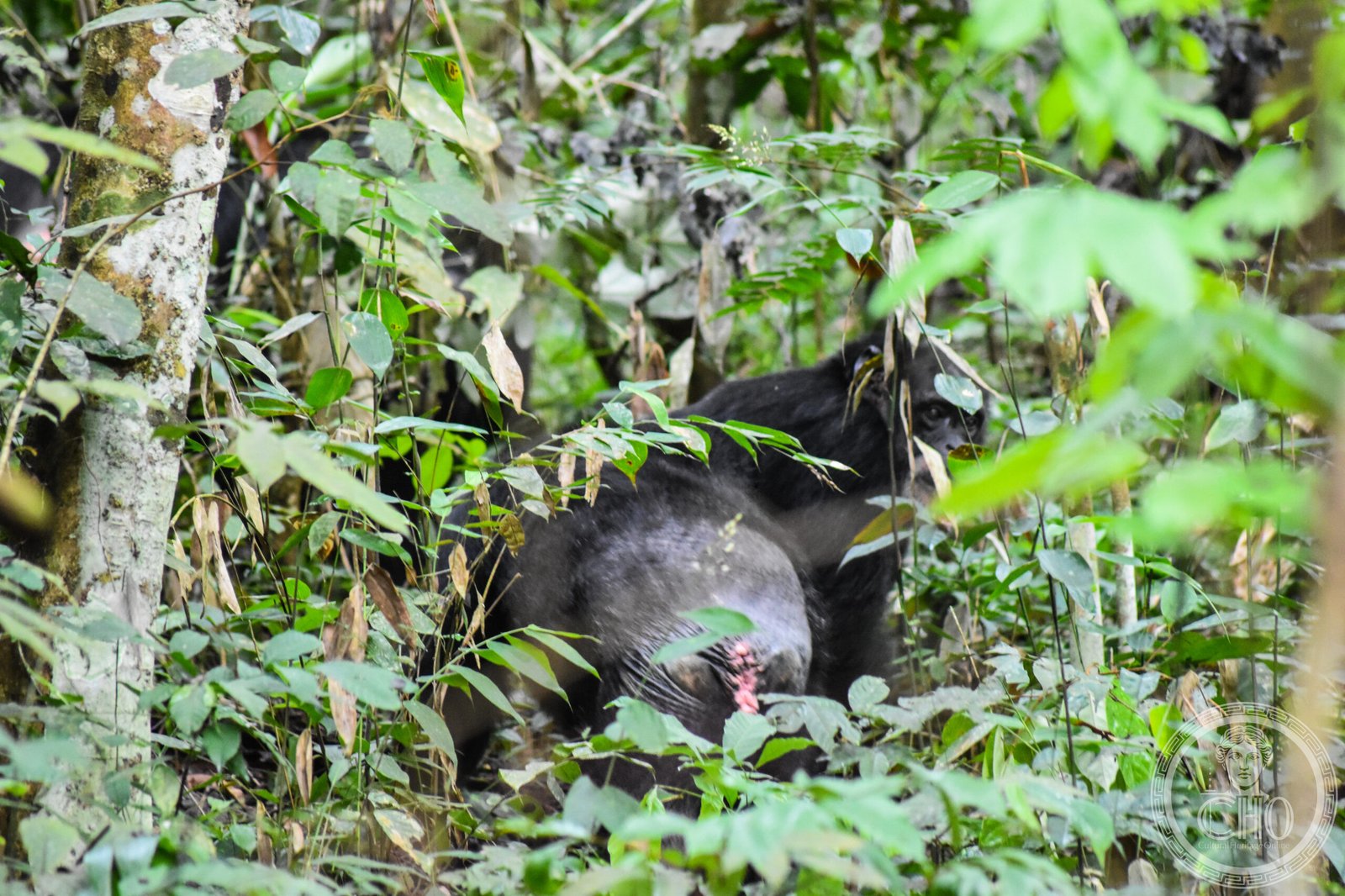
Mount Nimba was inscribed under natural criteria (ix) and (x): it represents an outstanding example of ongoing ecological and biological evolution, and it contains the most important natural habitats for in-situ conservation of biological diversity in West Africa. The viviparous toad Nimbaphrynoides occidentalis — one of the world’s only live-bearing frogs — and the stone-tool-using western chimpanzee (Pan troglodytes verus) are the flagship species that anchored its inscription and continue to attract international research interest.
Visitor Experience
Access to Mount Nimba is limited by its strict nature reserve status, designed to minimise human disturbance. Researchers with institutional permits can access designated zones for fieldwork; guided community-led visits have been piloted in buffer areas adjacent to the core zone. The experience for authorised visitors is one of extraordinary primordial wilderness — dense forest, mist, and the sounds of chimpanzees calling across the valleys, with no tourist infrastructure inside the reserve itself.
Getting There & Practical Info
The nearest town is Lola in the Nzérékoré Region of Guinea, approximately 30 km from the reserve boundary. Lola is accessible by road from Nzérékoré (Guinea’s second city), which has the nearest airport with domestic connections to Conakry. Visitors must obtain permits from the Direction Nationale des Eaux et Forêts in Guinea. No accommodation exists inside the reserve; Lola has basic guesthouses. The best season to visit is the dry season (November–March), when paths are passable.
Nearby Attractions & Context
The broader Guinée Forestière region surrounding Nimba is rich in biodiversity and cultural heritage. The Ziama Massif Biosphere Reserve, about 150 km to the northwest, offers a complementary forest experience. The tri-national point where Guinea, Ivory Coast, and Liberia converge — visible from the Nimba summit on clear days — gives the site a geopolitical resonance unusual in natural heritage. The Ivory Coast sector of the property borders the Taï National Park (another UNESCO site), making the wider forest corridor one of the most biodiverse in sub-Saharan Africa.
Find it on the map
See this place and what’s around it →📷 Become a Cultural Heritage Online photographer
Share your photos of places: they stay published under your name as the author. The more they're seen, the more you get noticed — and soon a contest will reward the most appreciated photos.
Log in or sign up free to add a photo