
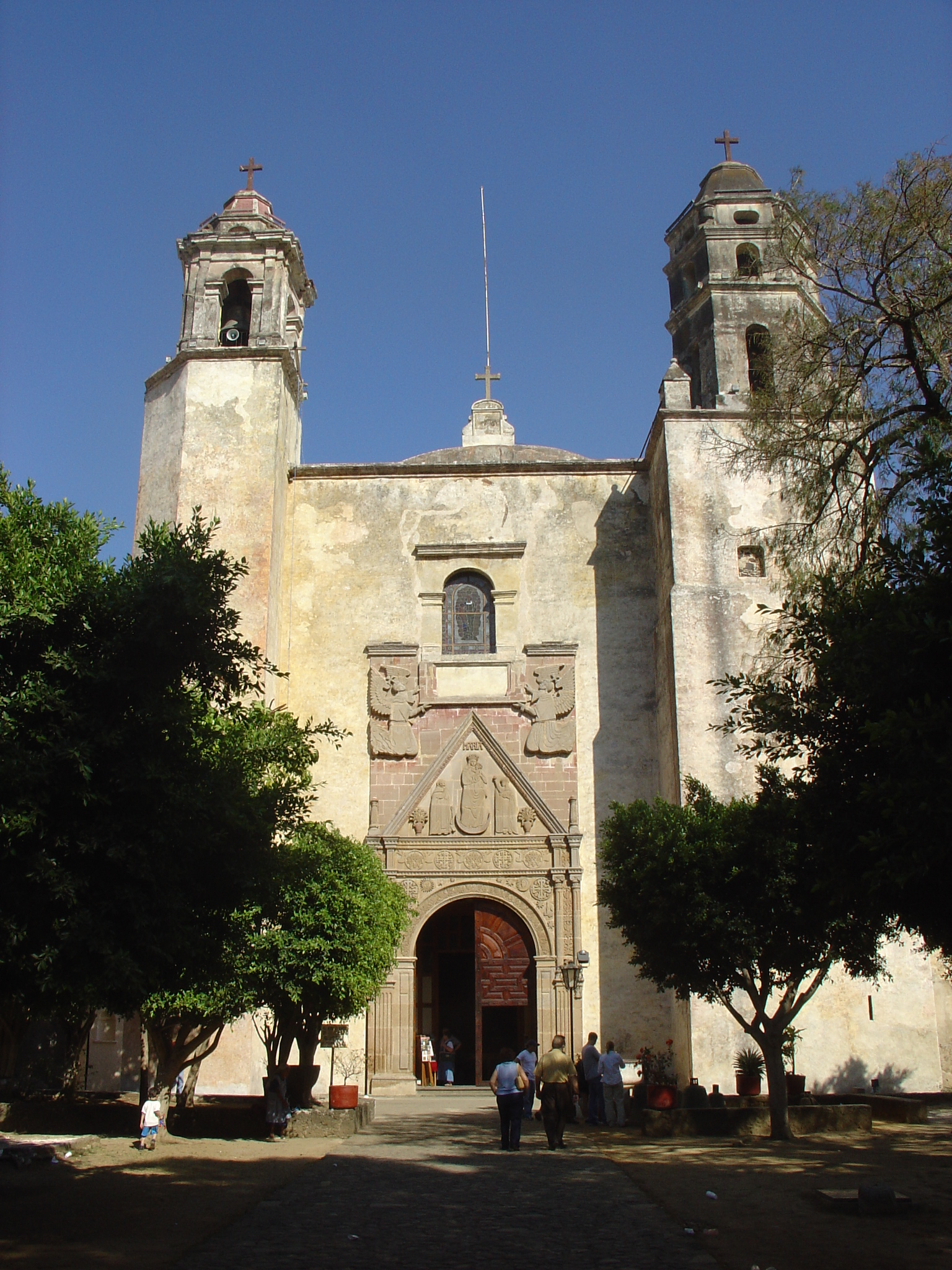
Sixteen early colonial monasteries built by three religious orders to evangelize the volcanic regions south and east of Popocatépetl, recognized as UNESCO World Heritage Sites for their innovative approach to indigenous conversion and lasting influence across Latin America.
At a glance
This ensemble of monasteries represents a pivotal moment in Spanish colonial religious architecture and missionary strategy. Built in the decades following the conquest, they demonstrate how the Augustinians, Franciscans, and Dominicans adapted their evangelization methods to indigenous populations and geography. The sites remain open to visitors across three Mexican states, linked by tourism routes.
History
Constructed in the early 16th century, these monasteries emerged from the urgent need to convert indigenous peoples in the regions surrounding Popocatépetl volcano. The three major religious orders—Augustinians, Franciscans, and Dominicans—competed and collaborated in establishing spiritual footholds across central Mexico. UNESCO recognized the ensemble in 1994, acknowledging their profound influence on monastic and church design throughout New Spain and beyond. In 2021, the Cathedral of Tlaxcala was added to the designation, expanding the original sixteen-site complex.
What you see
The monasteries share a distinctive architectural vocabulary: a single-nave church paired with an extraordinarily large atrium. The capilla abierta, or open chapel, represents a revolutionary design solution—a roofed structure open on one side, allowing priests to conduct mass for gathered crowds in the courtyard rather than within the enclosed church. This arrangement reflects the enormous scale of indigenous conversion efforts and the practical challenge of accommodating thousands of neophytes simultaneously. The repeating design became a template replicated across New Spain as missionary work expanded.
Cultural significance
These monasteries fundamentally shaped how the Catholic Church approached mass evangelization in the Americas. The open chapel model—born from necessity and indigenous spatial traditions—transcended its local context to influence monastic planning across Mexico and Latin America. They represent not merely religious buildings but physical evidence of cultural negotiation, where European ecclesiastical forms met indigenous congregational practices.
Key facts
- Sixteen monasteries built by Augustinians, Franciscans, and Dominicans
- Located in Morelos (eleven), Puebla (three), and Tlaxcala (one); expanded to include Cathedral of Tlaxcala in 2021
- UNESCO World Heritage Site: 1994 (expanded 2021)
- Coordinates: 18.93472, −98.89778
- Known locally as the “Route of the Volcano” or “Route of the Monasteries”
Practical information & getting there
All sixteen monasteries are open to visitors. The sites in Morelos are organized along designated tourism routes—the “Route of the Volcano” and “Route of the Monasteries”—facilitating multi-site visits. The ensemble stretches across three states in central Mexico, within reach of Mexico City. Plan for visits to multiple locations to experience the full scope of this colonial religious enterprise.
Sources & resources
Find it on the map
See this place and what’s around it →📷 Become a Cultural Heritage Online photographer
Share your photos of places: they stay published under your name as the author. The more they're seen, the more you get noticed — and soon a contest will reward the most appreciated photos.
Log in or sign up free to add a photoIs this page about you?
This page is read by travellers and heritage enthusiasts who find it on Google. Tell us how you are connected to this place and we will take it from there.