
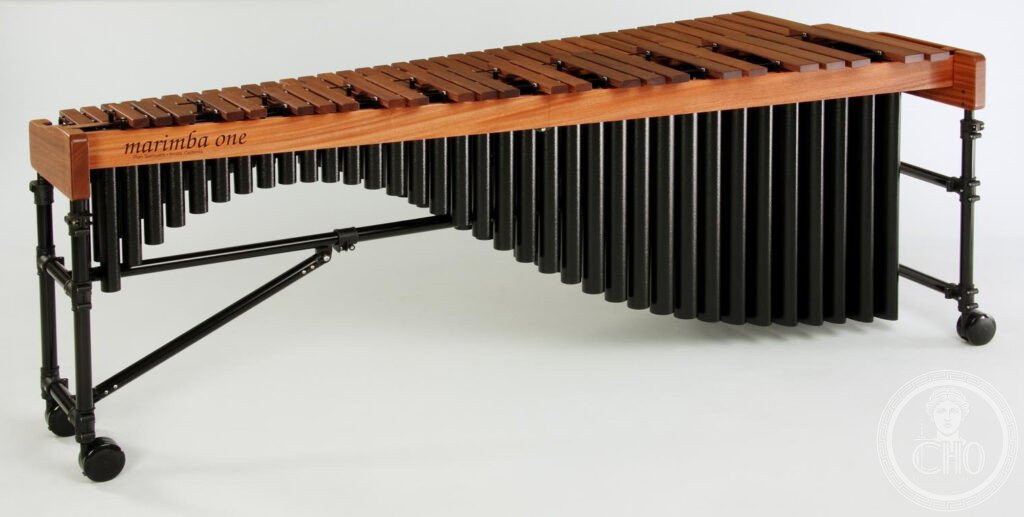
A living percussion tradition of wooden bars and resonating pipes, the marimba anchors the musical identity of Colombia’s Pacific coast and Ecuador’s Esmeraldas Province, performed as solo instrument and ensemble alike.
In UNESCO’s words
Marimba music and traditional chants and dances are musical expressions integral to the family and community fabric of people of African descent in the Colombian South Pacific region and Esmeraldas Province of Ecuador. Chanted stories and poems are performed by men and women at ritual, religious and festive events as a celebration of life, a form of worship to saints or as a farewell to the deceased, and are accompanied by rhythmic movements of the body. The marimba music is played on a palm wood xylophone with bamboo tube resonators, accompanied by drums and maracas. The element is rooted in family and daily activities and the community as a whole is considered the bearer and practitioner, irrespective of age or gender. Elderly people play a crucial role in transmitting legends and stories from oral tradition, while music teachers oversee the transmission of musical knowledge to new generations. Marimba music and traditional chants and dances promote symbolic exchanges that include food and drink. Each of these expressions facilitates family and collective integration through ancestral practices that heighten the sense of belonging to a particular group connected to a shared territory and history.
Official description, UNESCO Intangible Cultural Heritage List — Marimba music, traditional chants and dances from the Colombia South Pacific region and Esmeraldas Province of Ecuador
At a glance
Marimba music, chanted stories, and traditional dances form an integrated musical tradition of people of African descent in the Colombian South Pacific and Ecuador's Esmeraldas Province. A marimba is a palm wood xylophone with bamboo tube resonators, played alongside drums and maracas. These musical expressions are performed at ritual, religious, and festive events—as celebration, worship, or farewell—accompanied by rhythmic body movements. The tradition belongs to the entire community regardless of age or gender.
Origins & history
The practice is rooted in family and daily activities, passed down through oral tradition. Elderly people hold a crucial role in transmitting legends and stories across generations, while music teachers guide the learning of musical knowledge. The tradition connects people to a shared territory and history, reinforcing a sense of belonging to their particular group through ancestral practices.
The practice
Both men and women perform chanted stories and poems with rhythmic body movements at gatherings. The marimba—a palm wood xylophone with bamboo resonators—is played with drums and maracas to accompany these performances. Music teachers oversee transmission of musical skills to younger generations, ensuring the knowledge of how to perform and construct the tradition passes forward.
Cultural significance
Marimba music and traditional chants and dances strengthen family and community bonds through symbolic exchanges of food and drink. These expressions celebrate life, honor saints, and bid farewell to the deceased. The practice facilitates collective integration, helping people maintain their cultural identity and connection to ancestors and shared history. The community as a whole—every member—serves as both bearer and practitioner of this heritage.
Key facts
- Country: Colombia, Ecuador
- Inscribed: 2015
- UNESCO list: Representative List of the Intangible Cultural Heritage of Humanity
- UNESCO reference: 01099
- UNESCO vocabulary: Dance; Idiophones; Instrumental music
- Map: Esmeraldas Province — the locality named in UNESCO’s official description of this element
Where to experience it
Marimba music and traditional chants thrive throughout the Colombian South Pacific region and Esmeraldas Province of Ecuador, where communities of African descent keep these ancestral practices alive. Visitors encounter the tradition at ritual and festive events, religious celebrations, and family gatherings where performers—men, women, and children—sing chanted stories and poems accompanied by rhythmic movements. Local music teachers offer opportunities to learn from experienced practitioners, while elderly community members share legends passed down through oral tradition. The marimba, a palm wood xylophone with bamboo resonators, is played alongside drums and maracas at celebrations that strengthen family and collective bonds across generations.
Sources & resources
- UNESCO — official element page: Marimba music, traditional chants and dances from the Colombia South Pacific region and Esmeraldas Province of Ecuador
- UNESCO — open data record: Intangible Heritage List, reference 01099
- UNESCO — official video: UNESCO film on this element — embedded on this page
- UNESCO — official photograph: Baudilio hands – marimba performer, Colombia — Fundación Pilifonía
- Reference — Wikipedia (secondary): Marimba — consulted as a secondary reference, not as confirmation
- Cultural Heritage Online: Our archive and city guides

Find it on the map
See this place and what’s around it →📷 Become a Cultural Heritage Online photographer
Share your photos of places: they stay published under your name as the author. The more they're seen, the more you get noticed — and soon a contest will reward the most appreciated photos.
Log in or sign up free to add a photo