
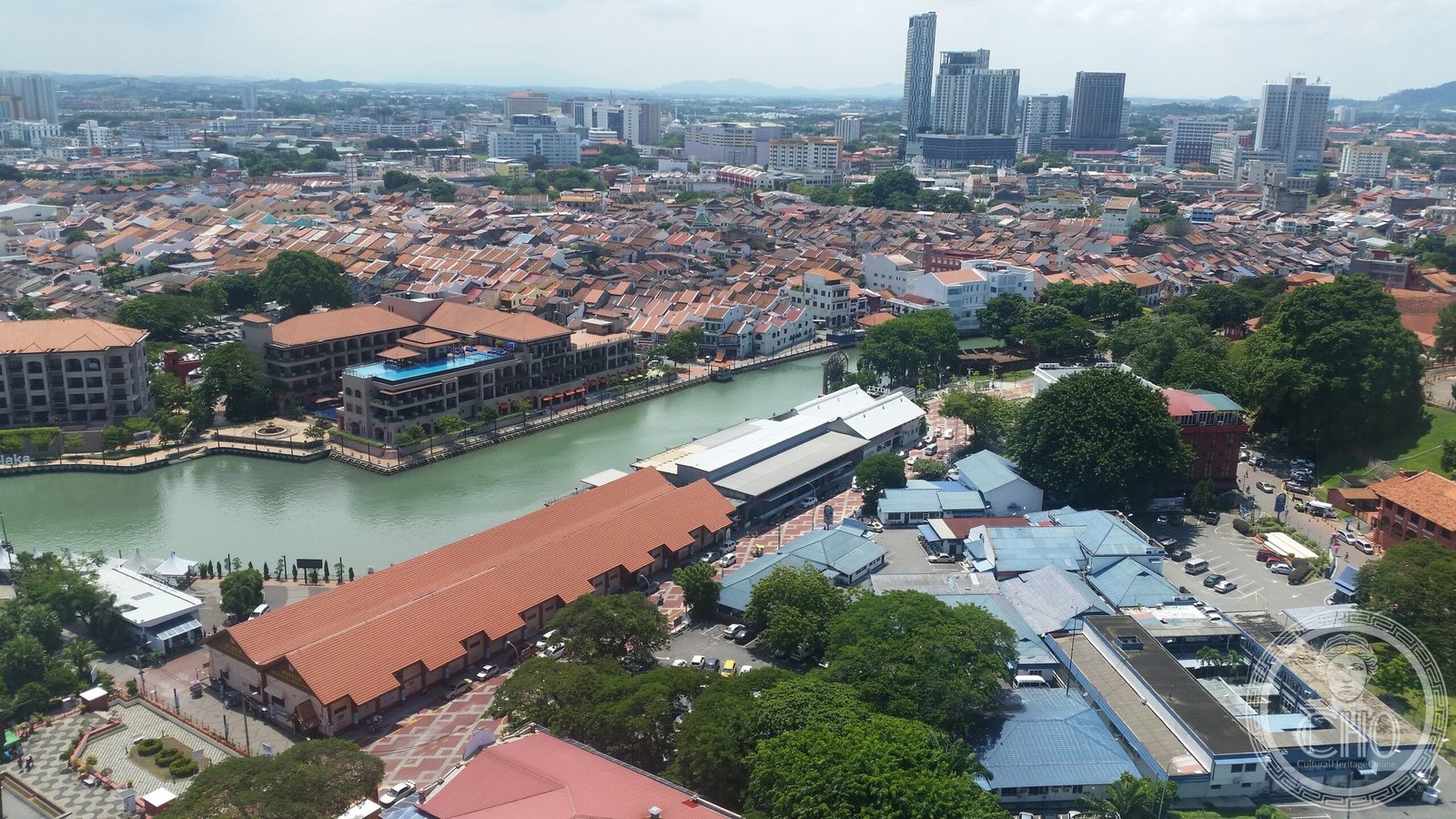
The oldest Malaysian city on the Strait of Malacca, Malacca City rose to prominence as a major entrepôt linking traders from the Middle East, South Asia, and East Asia. Its tumultuous history—marked by Portuguese conquest, Dutch and British rule, and Japanese occupation—has left an indelible architectural and cultural imprint that earned it UNESCO World Heritage status in 2008.
At a glance
Malacca City stands as Malaysia’s oldest metropolis on the Strait of Malacca and the capital of Malacca state. Founded in 1396 by Parameswara, a Sumatran prince, it became the nucleus of the Malacca Sultanate and a crucial hub on Asia’s maritime trade networks. Today, its economy centers on tourism, drawing visitors to colonial-era landmarks and cultural districts.
History
Parameswara established the city in 1396 after fleeing the Malay Peninsula when the Srivijaya Empire fell to Majapahit. By 1400, the formal Malacca Sultanate was established, attracting merchants from across the Indian Ocean and beyond. The Portuguese arrived with imperial ambitions in 1511, conquering the city and cementing European dominance over Asian trade routes.
Power shifted repeatedly. Aceh and Johor sultans contested Portuguese control until Johor allied with the Dutch to expel the Portuguese in the early 17th century. Internal strife between Malay and Bugis factions fractured the Johor-Riau Empire; the Anglo-Dutch Treaty of 1824 placed Johor under British influence while the Netherlands secured Sumatra and the Riau-Lingga Sultanate.
Under British administration, Malacca became part of the Straits Settlements, entering a period of development and commercial expansion. Japanese occupation during World War II (1942–1945) devastated the population; many residents were conscripted for the Death Railway in Burma. Post-war, Britain retained control until Malaysian independence in 1963, when Malacca City ceased being a state capital.
What you see
The cityscape reflects centuries of overlapping rule. Porta de Santiago, a Portuguese fortification gateway, survives as an iconic landmark. The Stadthuys, a red Dutch administrative building, anchors the colonial district. Christ Church, built by the Dutch in the 18th century, exemplifies European ecclesiastical architecture adapted to the tropics.
Jonker Walk preserves the merchant quarter’s narrow lanes and shophouses. The Portuguese Settlement retains vernacular housing and the distinctive Chapel of St. Paul. The Maritime Museum chronicles the city’s role on global trade routes. The Malacca Sultanate Palace Museum reconstructs royal life during the sultanate’s peak, while Taming Sari Tower offers panoramic views of the city and strait.
Cultural significance
Malacca City embodies the convergence of Asian, European, and Arab cultures across five centuries. It represents a pivotal moment when European maritime empires first penetrated Asian trade networks—a transformation that reshaped global commerce and politics. The city’s syncretism—evident in its architecture, cuisine, and demographics—testifies to sustained multicultural exchange.
UNESCO recognized this exceptional heritage value in 2008, designating Malacca City a World Heritage Site alongside George Town, Penang, for its outstanding universal value as a testimony to cultural, political, and commercial interchange across continents.
Key facts
- Location: Malacca, Malaysia
- Coordinates: 2.19°N, 102.25°E
- Founded: 1396 by Parameswara
- UNESCO World Heritage: Inscribed 2008 (joint designation with George Town)
- Population: 579,000 (2019)
- Status: State capital of Malacca
Practical information & getting there
Malacca City is accessible by road from Kuala Lumpur (approximately 140 km north) and connects to major Malaysian transport networks. The city lies along the Maritime Silk Road, the modern shipping corridor proposed by China in 2013. Major sites include Porta de Santiago, Jonker Walk, the Portuguese Settlement, Stadthuys, Maritime Museum, Christ Church, and Taming Sari Tower. For current hours and admission fees, consult local tourism authorities or official cultural heritage guides.
Sources & resources
Find it on the map
See this place and what’s around it →📷 Become a Cultural Heritage Online photographer
Share your photos of places: they stay published under your name as the author. The more they're seen, the more you get noticed — and soon a contest will reward the most appreciated photos.
Log in or sign up free to add a photoIs this page about you?
This page is read by travellers and heritage enthusiasts who find it on Google. Tell us how you are connected to this place and we will take it from there.