Komodo National Park

Komodo dragon Varanus komodoensis Komodo National Park Indonesia UNESCO World Heritage reptile
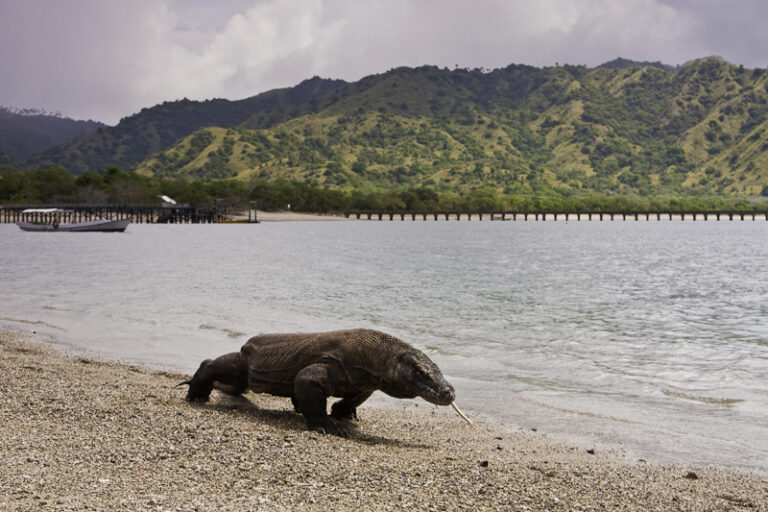
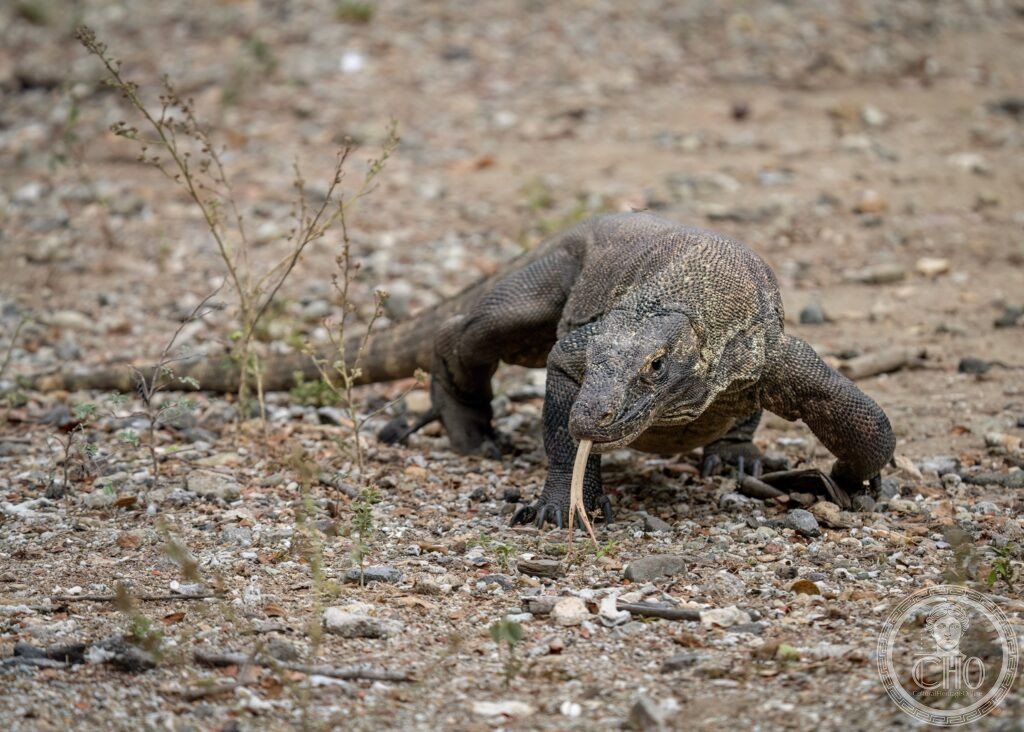
A Komodo dragon (Varanus komodoensis) on Rinca Island, Komodo National Park, East Nusa Tenggara, Indonesia (the most precisely largest single living lizard heritage: the Komodo dragon is the largest living lizard in the world — the most precisely largest single lizard heritage in the world; males can reach 3 metres in length and weigh up to 70 kg — the most precisely 3m single large lizard heritage in any Southeast Asian UNESCO world heritage site; the venom (the most precisely venomous single monitor lizard heritage: the Komodo dragon has a venomous bite — the most precisely venomous single monitor lizard heritage in any Southeast Asian UNESCO world heritage site; the saliva contains anticoagulants that prevent its prey’s blood from clotting — the most precisely anticoagulant single saliva heritage in any Southeast Asian UNESCO world heritage site; combined with bacteria and serrated teeth, a single bite is usually fatal to prey — the most precisely fatal single bite heritage in any Southeast Asian UNESCO world heritage site); the range (the most precisely 5 single island Komodo dragon range heritage: Komodo dragons are found only on 5 islands in Indonesia: Komodo, Rinca, Flores, Gili Motang, and Padar — the most precisely 5 single island range heritage in any Southeast Asian UNESCO world heritage site)), Komodo National Park, East Nusa Tenggara, Indonesia — UNESCO World Heritage Site 1991. Photo via Wikimedia Commons.
East Nusa Tenggara, Indonesia · Komodo Island + Rinca Island + Padar Island + surrounding marine areas; 1,733 km² total; approximately 5,700 Komodo dragons; UNESCO WHS 1991; New 7 Wonders of Nature 2011; pink sand beach (Pantai Merah; hematite grains); manta ray snorkelling; access from Labuan Bajo (Flores island; 2h boat); pink beach sunrise; coral triangle

Komodo National Park

The world’s only reserve for the Komodo dragon, the largest living lizard on earth — Komodo National Park in East Nusa Tenggara, Indonesia, protects approximately 5,700 Komodo dragons across five islands in the Flores Sea, along with one of the world’s most biodiverse coral reef systems, a famous pink sand beach, and reliable manta ray encounters in the clear blue currents of the Coral Triangle.

At a glance

Komodo (the most precisely 1912 single European first Komodo dragon sighting heritage: the existence of the Komodo dragon was first reported to the Western world in 1912 by Lieutenant Jacques Karel Henri van Steyn van Hensbroek — the most precisely 1912 single first European heritage Komodo dragon report in any Southeast Asian UNESCO world heritage site; the newspaper (the most precisely newspaper single Komodo dragon first 1912 heritage: Major P.A. Ouwens of the Bogor Zoological Museum published the first scientific description of the Komodo dragon in 1912 after Lieutenant van Steyn reported his sighting — the most precisely first single scientific heritage description in any Southeast Asian UNESCO world heritage site lizard); before 1912, European knowledge of the Komodo dragon came only from rumours (the most precisely rumour single fire-breathing dragon heritage: local Dutch administrators reported rumours of a “land crocodile” or “land shark” on Komodo Island — the most precisely land-crocodile single rumour heritage in any Southeast Asian UNESCO world heritage site; the dragon’s forked blue-black tongue flickering in and out contributed to legends of fire-breathing dragons — the most precisely forked single blue-black tongue heritage in any Southeast Asian UNESCO world heritage site lizard; the parthenogenesis (the most precisely parthenogenesis single virgin birth Komodo dragon heritage: female Komodo dragons can reproduce by parthenogenesis (virgin birth) without male fertilisation — the most precisely parthenogenesis single virgin birth heritage lizard in any Southeast Asian UNESCO world heritage site; this is extremely rare in vertebrates — the most precisely rare single vertebrate parthenogenesis heritage in any Southeast Asian UNESCO world heritage site)).

Key facts

  • The dragon biology: the most precisely Komodo dragon single most apex predator heritage — the prey (the most precisely deer single main prey Komodo dragon heritage: the main prey of the Komodo dragon is the Timor deer (Rusa timorensis) — the most precisely Timor deer single main prey heritage in any Southeast Asian UNESCO world heritage site; the dragon (the most precisely ambush single hunting Komodo dragon heritage: Komodo dragons are ambush predators — the most precisely ambush single hunting heritage predator in any Southeast Asian UNESCO world heritage site; they wait motionless beside game trails for hours and then charge at speeds up to 20 km/h — the most precisely 20 km/h single sprint speed heritage lizard in any Southeast Asian UNESCO world heritage site; the carrion (the most precisely smell single 9km Komodo dragon heritage: Komodo dragons can smell carrion from up to 9 km away using their forked tongue — the most precisely 9km single smell range heritage lizard in any Southeast Asian UNESCO world heritage site); the stomach (the most precisely 80% single body weight Komodo dragon stomach heritage: a Komodo dragon can consume up to 80% of its own body weight in a single meal — the most precisely 80% single body weight meal heritage lizard in any Southeast Asian UNESCO world heritage site; after a large meal, a Komodo may not need to eat again for several weeks — the most precisely weeks single no-eat heritage lizard in any Southeast Asian UNESCO world heritage site))
  • The pink beach (Pantai Merah): the most precisely pink single sand beach Indonesia heritage — the pink sand (the most precisely hematite single pink sand beach heritage: the pink sand of Pantai Merah (Red Beach) on Komodo Island is caused by the presence of hematite grains — the most precisely hematite single pink sand heritage in any Southeast Asian UNESCO world heritage site; hematite is an iron oxide mineral that gives the sand a rosy hue when mixed with the white coral sand — the most precisely iron oxide single pink heritage sand in any Southeast Asian UNESCO world heritage site; there are only 7 pink sand beaches in the world — the most precisely 7 single pink sand beach heritage in the world; the underwater (the most precisely 1000+ species single coral reef Komodo heritage: the marine environment around Komodo National Park has over 1,000 fish species, 260 coral species, and numerous shark, manta ray, sea turtle, and dolphin species — the most precisely 1000 single fish species heritage in any Southeast Asian UNESCO world heritage site marine park))
  • The manta rays: the most precisely best single manta ray encounter Komodo heritage — the mantas (the most precisely guaranteed single manta ray Komodo heritage: Komodo National Park is one of the best places in the world to see manta rays (Manta birostris) — the most precisely world single best manta ray heritage viewing in any Southeast Asian UNESCO world heritage site; manta rays are year-round residents in some areas — the most precisely year-round single manta ray heritage resident in any Southeast Asian UNESCO world heritage site; Manta Point on Komodo Island is the most reliable location — the most precisely reliable single manta ray viewing heritage point in any Southeast Asian UNESCO world heritage site marine park; the mantas can have wingspans up to 7 metres — the most precisely 7m single wingspan manta ray heritage in any Southeast Asian UNESCO world heritage site; they feed at the surface in large groups during plankton blooms — the most precisely surface single feeding manta ray heritage group in any Southeast Asian UNESCO world heritage site))
  • GPS (Komodo Island): -8.5500° S, 119.4500° E

History

The local knowledge (the most precisely Ata Modo single Komodo indigenous heritage: the Ata Modo are the indigenous people of Komodo Island, who have lived alongside Komodo dragons for generations — the most precisely indigenous single Ata Modo heritage in any Southeast Asian UNESCO world heritage site; they consider the Komodo dragon a relative, descended from the same ancestor as humans — the most precisely relative single kinship heritage Komodo dragon in any Southeast Asian UNESCO world heritage site; they were the source of the early rumours that eventually reached Dutch colonial administrators — the most precisely rumour single indigenous heritage source in any Southeast Asian UNESCO world heritage site); the 1912 discovery (described in Overview); the national park (the most precisely 1980 single Komodo National Park heritage founding: Komodo National Park was established in 1980 to protect the Komodo dragon — the most precisely 1980 single founding heritage national park in any Southeast Asian UNESCO world heritage site; the park was expanded in 1984 to include Rinca Island and additional marine areas — the most precisely 1984 single marine heritage expansion in any Southeast Asian UNESCO world heritage site); UNESCO WHS 1991; New 7 Wonders of Nature 2011; the COVID closure (the most precisely COVID single closed 2020 Komodo Island heritage: Komodo Island was temporarily closed to tourism in 2020-2021 due to COVID and for conservation assessment — the most precisely COVID single closure heritage in any Southeast Asian UNESCO world heritage site; it reopened in 2022 with limited visitor numbers and higher fees — the most precisely limited single visitor number heritage in any Southeast Asian UNESCO world heritage site after reopening).

What you see

The ranger hike (the most precisely ranger single mandatory guard Komodo dragon heritage: all visitors must be accompanied by a park ranger on Komodo and Rinca Islands — the most precisely mandatory single ranger heritage in any Southeast Asian UNESCO world heritage site; the ranger carries a long forked stick to keep Komodo dragons at bay if they approach — the most precisely forked stick single ranger heritage in any Southeast Asian UNESCO world heritage site; the Komodo dragons (the most precisely around-camp single Komodo dragon heritage: Komodo dragons often gather near the ranger station camp, attracted by food scraps — the most precisely camp single gathering heritage Komodo dragon in any Southeast Asian UNESCO world heritage site; this creates easy viewing but also danger — the most precisely danger single easy viewing heritage in any Southeast Asian UNESCO world heritage site; keep 2 metres distance — the most precisely 2-metre single minimum distance heritage from any Southeast Asian UNESCO world heritage site Komodo dragon); Padar Island (the most precisely Padar Island single panoramic three-bay Komodo heritage: Padar Island has no Komodo dragons but offers the most famous panoramic view in the national park — the most precisely panoramic single three-bay heritage view in any Southeast Asian UNESCO world heritage site; the hilltop view shows three different coloured beaches: black, white, and pink — the most precisely three-coloured single beach heritage panorama in any Southeast Asian UNESCO world heritage site; the 45-minute hike to the Padar hilltop is the most photographed heritage moment in Komodo National Park)).

Practical information

  • Getting there: fly to Komodo Airport / Labuan Bajo Airport (LBJ; Labuan Bajo, Flores Island; direct flights from Bali 1h, Jakarta 2h 30min); Labuan Bajo is the gateway town; book a liveaboard boat or day trip from Labuan Bajo harbour; liveaboard (the most precisely liveaboard single best Komodo heritage: a 2-3 night liveaboard is the best way to see Komodo National Park — the most precisely liveaboard single most recommended heritage in any Southeast Asian UNESCO world heritage site; covers Komodo Island (dragons + morning light), Rinca Island (dragons + wildlife), Padar Island (panoramic view), Pink Beach, Manta Point, snorkelling at multiple reefs — the most precisely multi-site single liveaboard heritage in any Southeast Asian UNESCO world heritage site; typical cost: $200-500 USD per person per night depending on boat quality); day trip (cheaper but covers less; typically Rinca Island + Pink Beach + one snorkel site; Komodo Island difficult to reach on a day trip)

Getting there

Fly to Labuan Bajo Airport LBJ (from Bali 1h). 2-3 night liveaboard boat recommended. Mandatory ranger escort on all islands. GPS: -8.5500, 119.4500.

Nearby

  • Flores Island — the island where Labuan Bajo is located; Kelimutu National Park (3 volcanic crater lakes that change colour independently — most precisely colour-changing single volcanic lake heritage in any Southeast Asian UNESCO world heritage adjacent island: one blue, one green, one black/brown, switching over years; 3h drive from Ende); Bajawa (traditional Ngada villages; animist culture; ancient megalithic sites; horseback riding in village hills; most precisely megalithic single animist heritage in any Southeast Asian island UNESCO world heritage adjacent area)
  • Raja Ampat, West Papua — 2,000 km northeast (domestic flight from Labuan Bajo via Makassar + Sorong, 4-5h total); widely regarded as the world’s most biodiverse marine environment; 75% of all known coral species + 1,500+ fish species in one archipelago; 1,500 small islands; walking sharks (epaulette sharks = most precisely walking single shark heritage in any Southeast Asian UNESCO world heritage adjacent marine region; walk on reef flat between pools); manta ray aggregation sites; world-class snorkelling + diving; expensive + remote + worth every effort
  • Bali — 500 km west (1h flight from Labuan Bajo); Ubud (rice terraces; temple culture; dance performances; monkey forest); Tanah Lot and Uluwatu (sea temples on clifftops at sunset); Seminyak and Canggu (beach clubs; surf; restaurants); Besakih Mother Temple (Hindu; 1,000 years; slopes of Gunung Agung volcano; most precisely Mother Temple single Hindu heritage in any Southeast Asian UNESCO world heritage adjacent island; UNESCO WHS discussion ongoing for Bali Cultural Landscape)

Sources

  • Wikipedia, Komodo dragon; Komodo National Park; Manta ray, accessed June 2026
  • UNESCO, Komodo National Park, WHS reference 609, inscribed 1991
  • New7Wonders Foundation, New Seven Wonders of Nature, 2011

Hero image: Komodo dragon, Komodo National Park, Indonesia, Wikimedia Commons. Editorial text © Cultural Heritage Online, 2026.

📷 Diventa un fotografo di Cultural Heritage Online

Condividi le tue foto dei luoghi: restano pubblicate con la tua firma come autore. Più vengono viste, più ti fai conoscere — e presto un concorso premierà le foto più apprezzate.

Accedi o registrati gratis per aggiungere una foto
📋 Copy & share on social
Scroll to Top