

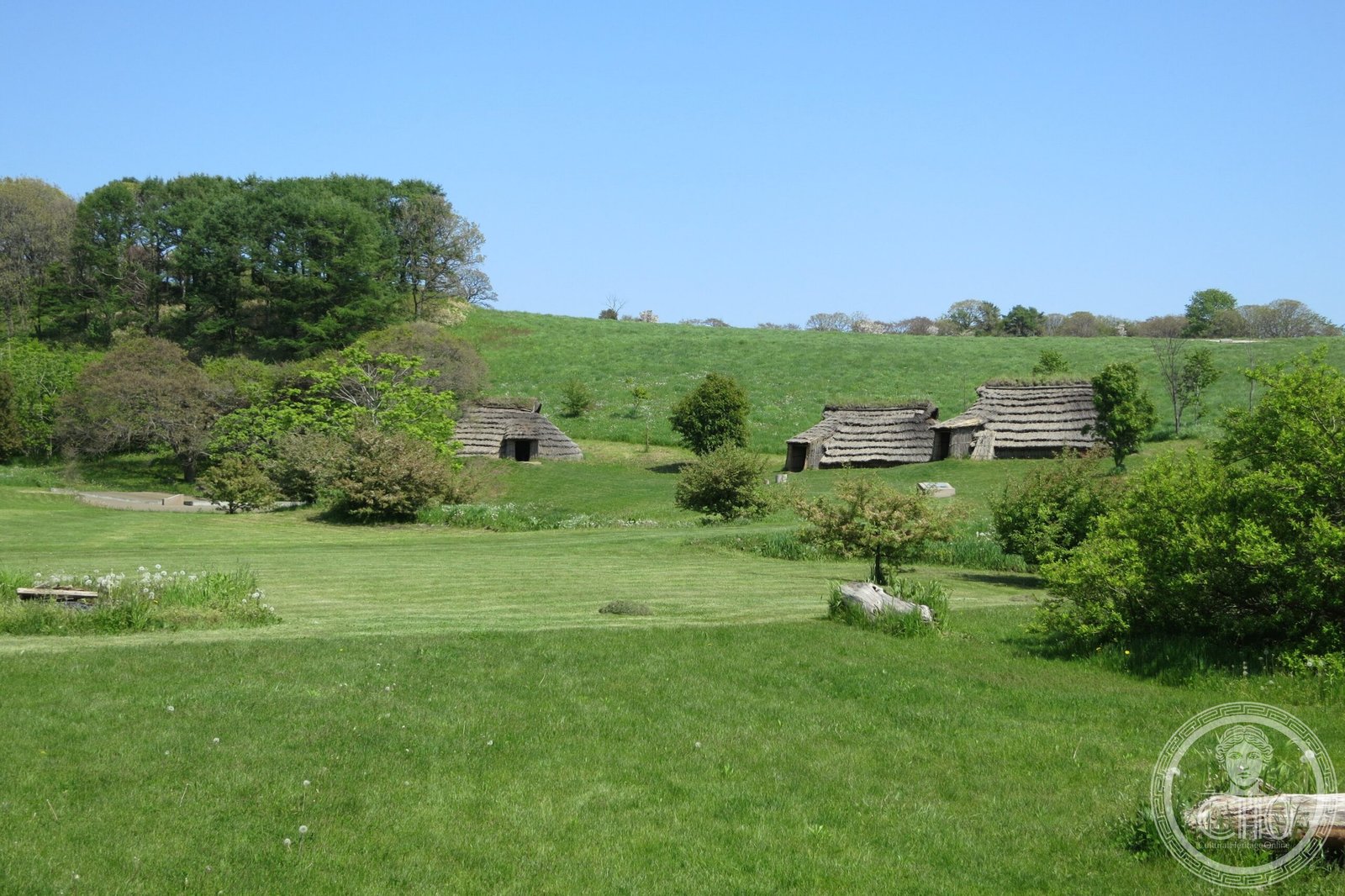
An ancient Jōmon settlement revealed through its shell deposits, this archaeological site in Hokkaido offers crucial evidence of Japan’s prehistoric maritime cultures and their relationship with coastal resources.
At a glance
Kitakogane Shell Mound is a kaizuka—a shell mound accumulated by Jōmon period inhabitants—situated in Date on Hokkaido’s southern coast. The site documents early human settlement and subsistence patterns in northern Japan, where communities exploited marine and terrestrial resources over generations.
History
The Jōmon period represents one of the world’s earliest known pottery-using cultures, spanning roughly 14,000 to 300 BCE. Shell middens like Kitakogane accumulated as communities repeatedly occupied coastal zones, discarding shells from harvested mollusks alongside other domestic refuse. These deposits preserve an archaeological record of diet, trade, seasonal movement, and technological development across millennia.
What you see
The shell mound itself comprises layered deposits of discarded shells—primarily from shellfish exploitation—mixed with soil, stone tools, pottery shards, and bone. Excavation reveals the stratigraphy of habitation, exposing different periods of occupation and the evolution of Jōmon material culture across the site’s temporal span.
Cultural significance
Kitakogane holds particular importance as part of the serial UNESCO World Heritage property Jōmon Prehistoric Sites in Northern Japan. It exemplifies the sophisticated adaptation of early Japanese communities to marine environments and contributes essential data to understanding Jōmon society, economy, and settlement patterns during prehistory.
Key facts
- Location: Date, Hokkaido, Japan
- Coordinates: 42.402°N, 140.9106°E
- Period: Jōmon
- Site type: Shell-mound (kaizuka) settlement
- UNESCO status: Part of Jōmon Prehistoric Sites in Northern Japan (serial World Heritage property)
Practical information & getting there
Contact local authorities in Date, Hokkaido for current access information and any visitor facilities. The site’s archaeological significance is best appreciated alongside other Jōmon properties in the serial heritage designation.
Sources & resources
Find it on the map
See this place and what’s around it →📷 Become a Cultural Heritage Online photographer
Share your photos of places: they stay published under your name as the author. The more they're seen, the more you get noticed — and soon a contest will reward the most appreciated photos.
Log in or sign up free to add a photoIs this page about you?
This page is read by travellers and heritage enthusiasts who find it on Google. Tell us how you are connected to this place and we will take it from there.