
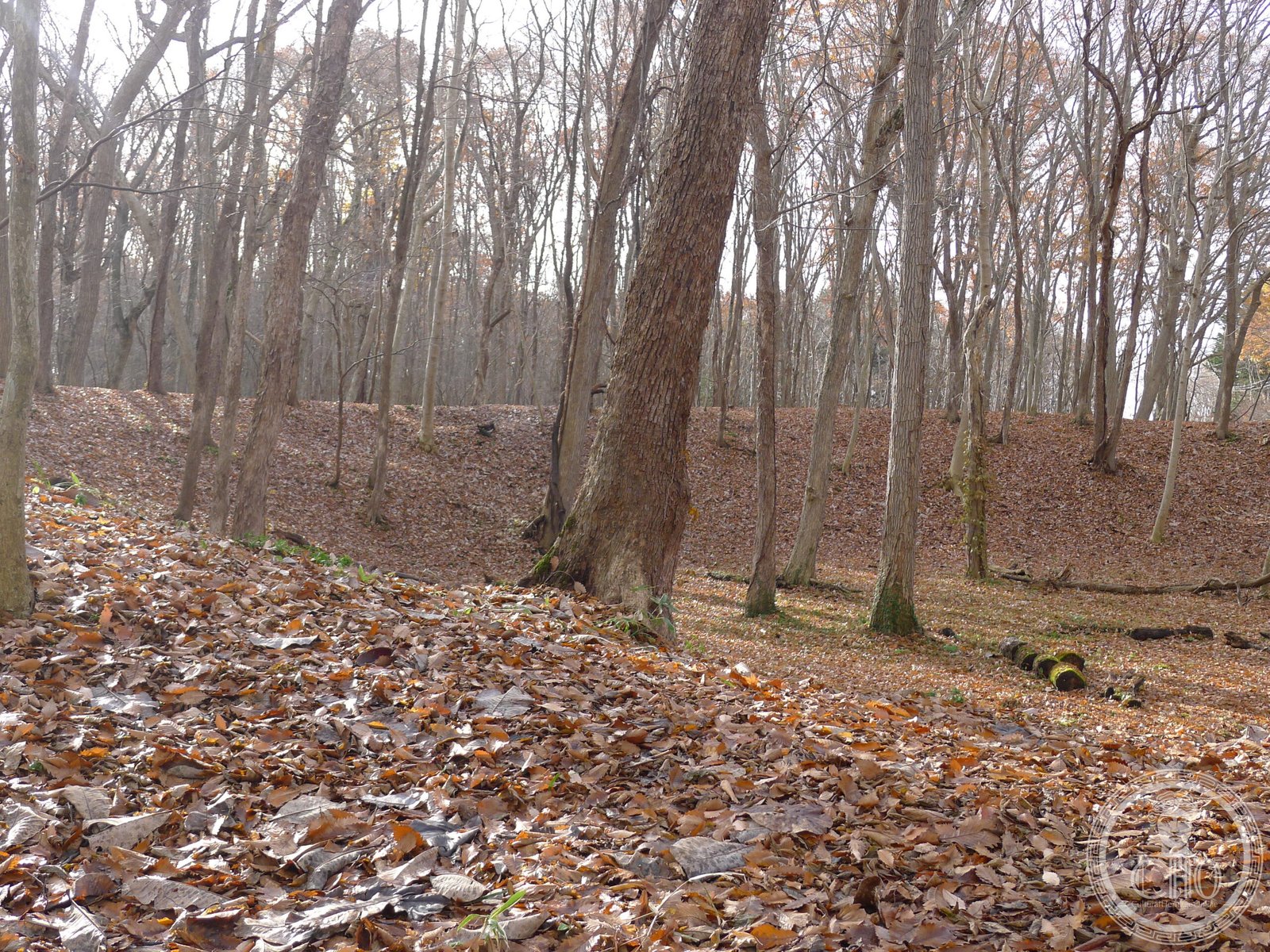
An archaeological ensemble of burial mounds dating to approximately 3200 years ago, these earthworks reveal the funerary practices of late Jōmon communities in northern Japan.
At a glance
The Kiusu site contains multiple earthwork burial circles constructed during the late Jōmon period. Designated a National Historic Site in 1979, it became part of the UNESCO World Heritage Site Jōmon Prehistoric Sites in Northern Japan in 2021.
History
The burial circles date to the late Jōmon period, approximately 3200 years ago, when hunter-gatherer communities occupied the Hokkaido region. The earthwork construction reflects established funerary traditions of the era. The site’s significance grew with its designation as a National Historic Site and its subsequent inclusion in the UNESCO World Heritage listing.
What you see
The site consists of multiple earthwork burial circles—distinctive mounds arranged in a circular or semi-circular pattern. These structures served as communal burial grounds and demonstrate the engineering knowledge and social organization of late Jōmon communities.
Cultural significance
Kiusu represents a key example of late Jōmon funerary practice and settlement patterns in northern Hokkaido. The earthwork circles illuminate the spiritual beliefs and community structures of one of Japan’s earliest complex societies. The site contributes to understanding the archaeological heritage of the broader Jōmon Prehistoric Sites designation.
Key facts
- Country: Japan
- Location: Chitose, Hokkaido
- Coordinates: 42.8853°N, 141.7161°E
- Period: Late Jōmon (c. 3200 years ago)
- National Historic Site: Designated 1979
- UNESCO Status: Component of Jōmon Prehistoric Sites in Northern Japan (2021)
Practical information & getting there
The site is located in Chitose, a city in Hokkaido accessible by rail and road from Sapporo. Visitors should check current opening hours and any guided tour availability through local tourism offices before visiting.
Sources & resources
Find it on the map
See this place and what’s around it →📷 Become a Cultural Heritage Online photographer
Share your photos of places: they stay published under your name as the author. The more they're seen, the more you get noticed — and soon a contest will reward the most appreciated photos.
Log in or sign up free to add a photoIs this page about you?
This page is read by travellers and heritage enthusiasts who find it on Google. Tell us how you are connected to this place and we will take it from there.