

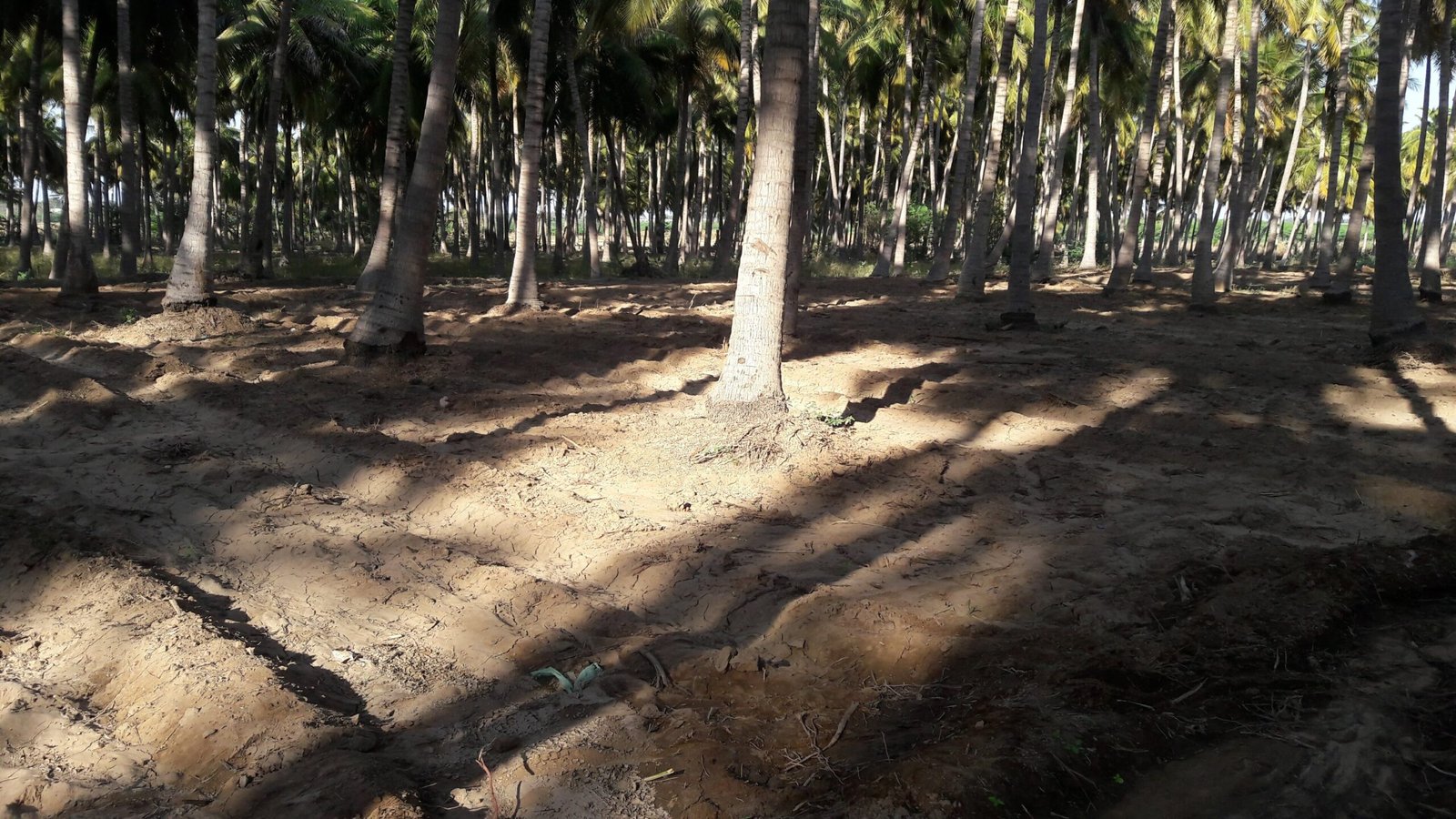
On the Vaigai River near Madurai, systematic excavations since 2015 have revealed a Sangam-era urban settlement dating to approximately 600 BCE — pushing back urban civilisation in the Tamil south by nearly a millennium and producing some of the oldest evidence of literacy in the Indian subcontinent: the most significant recent archaeological discovery in India.
At a glance
Keeladi (also transliterated Keezhadi) is an active archaeological site with a site museum, 12 kilometres southeast of Madurai in Sivaganga District, Tamil Nadu. Since the Archaeological Survey of India (ASI) began systematic excavation in 2015, findings here have fundamentally revised the scholarly understanding of urban development in peninsular India. The site preserves a planned urban settlement of the Sangam era — the “classical” age of Tamil literature and culture, approximately 600 BCE to 300 CE — with fired brick structures, iron tools, gold ornaments, textile production evidence, and 32 pottery sherds inscribed in Tamil-Brahmi script dated to approximately the 6th century BCE. These inscriptions are among the oldest evidence of literacy in the Indian subcontinent outside the undeciphered Indus Valley script.
Key facts
- Location: Near Keeladi village, Sivaganga District, Tamil Nadu — 12 km southeast of Madurai on the Vaigai River
- Period: c. 600 BCE – 300 CE (Sangam era; Early Historical period)
- Site area: Approximately 110 acres (44 hectares) of identified occupation
- Excavating agency: Archaeological Survey of India (ASI), multiple seasons from 2015 onward
- Oldest finds: Radiocarbon-dated to c. 600 BCE; Tamil-Brahmi inscribed sherds c. 6th century BCE
- Script found: Tamil-Brahmi — the oldest surviving form of written Tamil, adapted from Ashokan Brahmi
- Site museum: Keeladi Site Museum, opened 2019
- Status: ASI-protected site; UNESCO nomination under consideration
History
Before the Keeladi excavations, the prevailing scholarly view held that urban civilisation in Tamil Nadu began approximately 300 BCE, developing largely through contact with the Mauryan Empire of northern India. The Keeladi radiocarbon dates — placing the earliest occupation at approximately 600 BCE — and the Tamil-Brahmi inscriptions suggest instead that the Vaigai Valley was home to a literate, urbanised society developing independently and approximately simultaneously with the great cities of the Gangetic Plain. This challenges the long-standing historiographical assumption that urban civilisation in peninsular India derived primarily from northern Indian influence moving southward.
Subsequent excavation seasons in 2019 and 2023 extended the known occupied area to approximately 110 acres and revealed that Keeladi was not an isolated settlement but part of a network of contemporary Vaigai Valley towns — suggesting a sophisticated regional civilisation. The findings have generated significant academic and political debate in India about the antiquity of Tamil civilisation and its relationship to Sanskrit-based north Indian cultural narratives.
What you see
The Keeladi Site Museum (opened 2019) is the practical starting point. Exhibits display the Tamil-Brahmi inscribed pottery sherds — the most intellectually significant finds — alongside iron tools, gold ornaments, terracotta figurines, bone hairpins, spindle whorls evidencing textile production, and fired brick fragments from the planned urban layout. The contextual panels explain the stratigraphic sequence and the significance of the radiocarbon dating. On the excavation site itself, visible features include exposed brick structures — walls, floors, and drainage channels in fired brick arranged in a regular grid — and what appear to be specialised craft production areas. The site is actively excavated in seasonal phases, so visible extent changes year to year.
Why Keeladi matters
The Tamil-Brahmi inscriptions are key. They represent the adaptation of Brahmi script — first used for Prakrit in Ashokan inscriptions — to represent the Tamil language, a process already underway by the 6th century BCE at Keeladi. This makes the inscriptions a physical counterpart to the oral Sangam literary tradition: connecting the extraordinary corpus of ancient Tamil poetry, preserved in manuscripts, to a concrete urban setting on the Vaigai. More broadly, Keeladi provides the physical evidence for what Tamil scholars had long argued from linguistic and literary sources: that Tamil urban culture had its own independent developmental trajectory, not derivative of northern Indian civilisation.
Practical information
- Museum hours: Tuesday-Sunday, 10:00-17:00; closed Monday and national holidays
- Admission: Nominal fee (Indian nationals discounted)
- Nearest city: Madurai (12 km) — full accommodation, restaurants, transport
- Best time: November-February; avoid April-June (extreme heat)
- Duration: 1.5-2 hours for museum + site walk
- Guides: ASI-licensed guides at museum; English-speaking guides recommended
Getting there
Keeladi is reached from Madurai, which has an airport (IXM) with connections to Chennai, Mumbai, and Bangalore, and a major railway junction. From Madurai Junction, autorickshaws and taxis reach Keeladi (12 km southeast) directly; local buses run to nearby Silaiman from where the site is a short ride. Madurai’s Meenakshi Amman Temple is the obvious companion visit — one of the greatest surviving examples of Dravidian temple architecture.
Nearby
- Meenakshi Amman Temple, Madurai (12 km) — one of the greatest examples of Dravidian temple architecture; 14 gopuram gateway towers
- Thiruparankundram Murugan Temple (6 km from Madurai) — one of the six canonical abodes of Murugan; partially rock-cut, 8th century CE
- Madurai Gandhi Museum — regional history from Sangam era through Independence, in the former Tamukkam Palace
- Vaigai River valley sites — multiple other Sangam-era settlements in the valley; Keeladi museum contextualises the regional picture
- Thanjavur Brihadeeswara Temple (160 km) — UNESCO WHS; most complete surviving expression of medieval Tamil high culture
Sources
- Archaeological Survey of India — Keeladi excavation reports
- Wikipedia — Keeladi
- Rajan, K. — “New Light on the Protohistory of Tamilnadu,” Bulletin of the Deccan College, 2014
- ASI Keeladi Excavation Report 2018-2019 (Chennai Circle, 2019)
Find it on the map
See this place and what’s around it →📷 Become a Cultural Heritage Online photographer
Share your photos of places: they stay published under your name as the author. The more they're seen, the more you get noticed — and soon a contest will reward the most appreciated photos.
Log in or sign up free to add a photo