
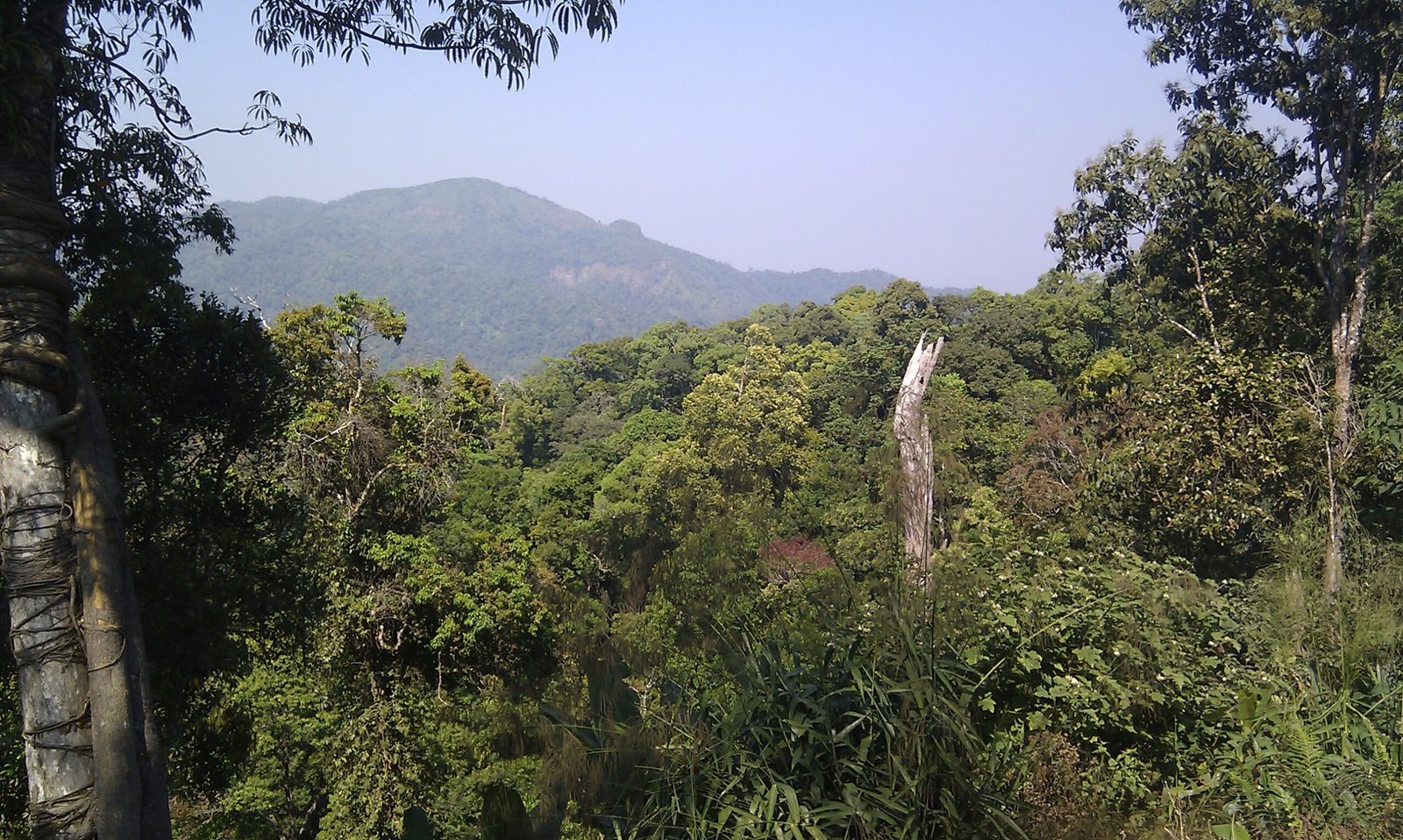
A 482,254-hectare protected wilderness on the Thai-Myanmar border, Kaeng Krachan Forest Complex is Thailand largest national park and a UNESCO World Heritage Site inscribed in 2021 for its extraordinary biodiversity, including one of mainland Asia densest populations of Asian elephants and a confirmed wild tiger breeding zone.
At a glance
Kaeng Krachan Forest Complex encompasses three contiguous protected areas spanning Phetchaburi and Prachuap Khiri Khan provinces in western Thailand. The complex was inscribed as a UNESCO World Heritage Site in 2021 after a decade-long process delayed by human rights concerns relating to forced relocations of Karen (Pgaz Knyau) indigenous communities. The inscription came with UNESCO monitoring conditions requiring Thailand to address indigenous rights protections.
Key facts
- UNESCO inscription: 2021 (natural heritage, criteria x)
- Area: 482,254 hectares – Thailand largest national park
- Location: Phetchaburi and Prachuap Khiri Khan provinces, western Thailand
- Mammals: 57 species including Asian elephant, Indochinese tiger, clouded leopard, gaur, banteng, sun bear, tapir, dhole
- Birds: 465 species – one of Southeast Asia premier birding sites
- Reptiles: 88 species
- Tigers: Approximately 50+ wild individuals – confirmed tiger breeding zone
- Indigenous presence: Karen (Pgaz Knyau) communities with multi-generational ties to the forest
History and controversy
Kaeng Krachan National Park was established in 1981 around a large artificial reservoir created in 1966. The Karen indigenous people inhabited the forested hills predating the park by centuries. Forced relocations from the 2000s onward prompted international criticism and caused UNESCO to reject or defer the nomination four times before inscribing it in 2021 with monitoring conditions. The case became a landmark in the global debate over conservation and indigenous peoples rights.
What you see
The Kaeng Krachan reservoir – a large turquoise lake visible on satellite imagery – is the centrepiece of the landscape. The park presents a transition from lowland monsoon forest along its eastern edge to montane evergreen forest at elevation. Wildlife encounters are among the most reliably spectacular in mainland Southeast Asia: elephants are commonly sighted along park roads in the early morning, and the birding draws specialists from around the world. Wild tigers are confirmed by camera traps though rarely observed directly.
Practical information
- Entry fee: 300 THB for foreigners; vehicles extra
- Opening hours: Daily 6:00-18:00. Overnight camping requires advance permit
- Best season: November-April (dry season). Partial closure July-October due to flooding
- Guided tours: Ranger-guided wildlife drives and birdwatching from park headquarters
- Facilities: Bungalows, campsite, restaurant, visitor centre at headquarters near main entrance
Getting there
The main entrance is approximately 58 km west of Phetchaburi city. Phetchaburi is served by buses from Bangkok Southern Bus Terminal (approximately 2.5 hours). Private car hire or a booked tour from Bangkok (approximately 3 hours direct) is the practical option on weekdays. Nearest airports: Hua Hin Airport (90 km south) and Suvarnabhumi International Airport in Bangkok (200 km).
Nearby
Kaeng Krachan adjoins Kui Buri National Park to the south – another outstanding elephant-viewing site. Phetchaburi city (58 km east) is notable for five historic wats and Khao Wang Palace (Phra Nakhon Khiri Historical Park). Hua Hin beach resort (90 km south) is the primary tourist gateway for the region.
Sources
Find it on the map
See this place and what’s around it →📷 Become a Cultural Heritage Online photographer
Share your photos of places: they stay published under your name as the author. The more they're seen, the more you get noticed — and soon a contest will reward the most appreciated photos.
Log in or sign up free to add a photo