Sacro Monte di Ghiffa

Sacro Monte Ghiffa Santissima Trinita cappelle barocche lago maggiore UNESCO 2003
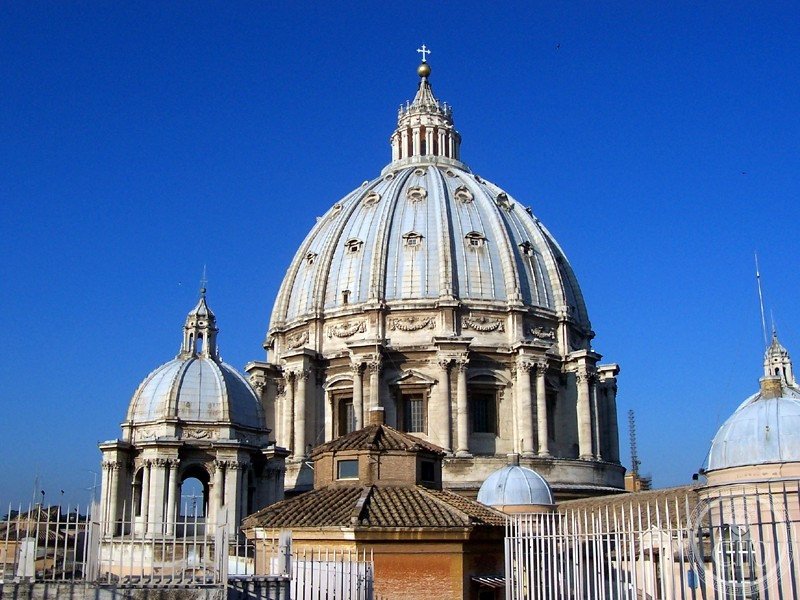
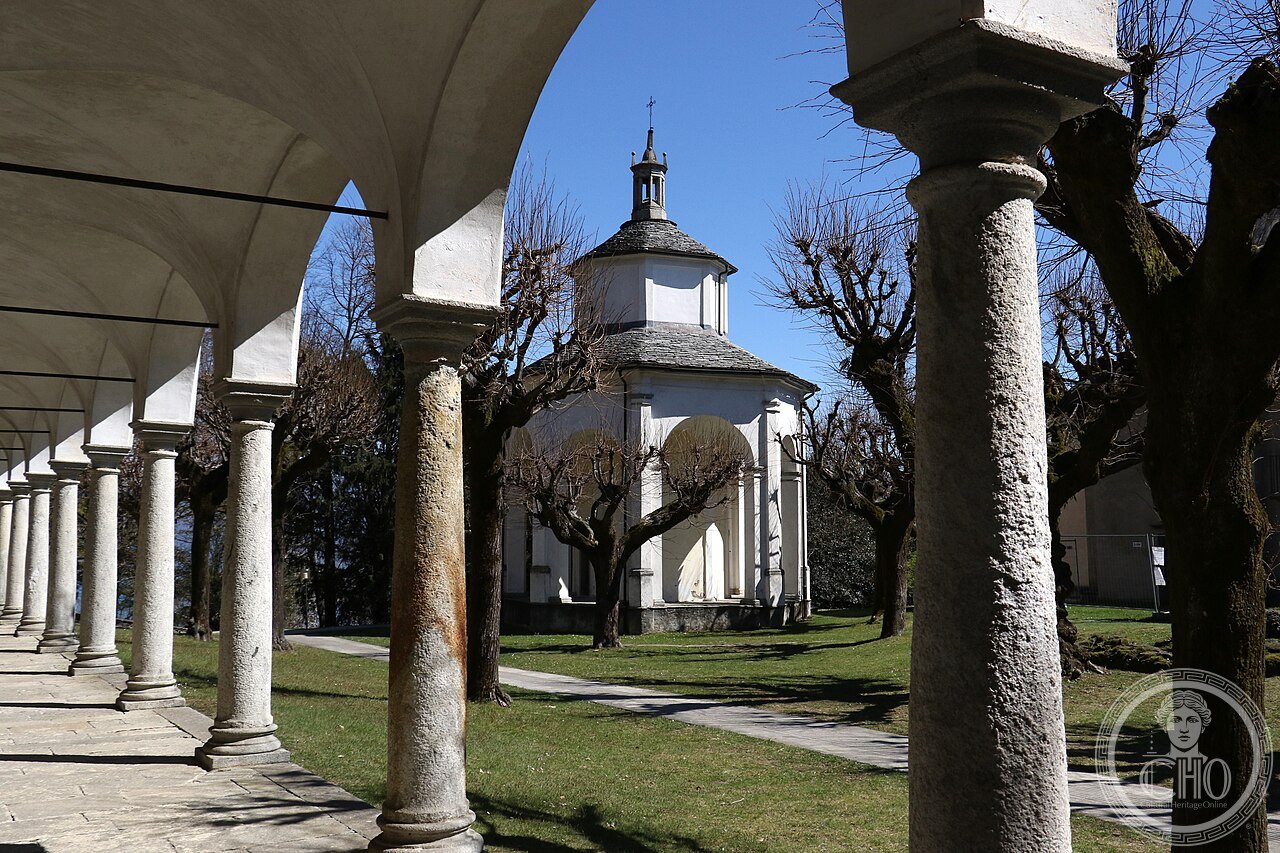
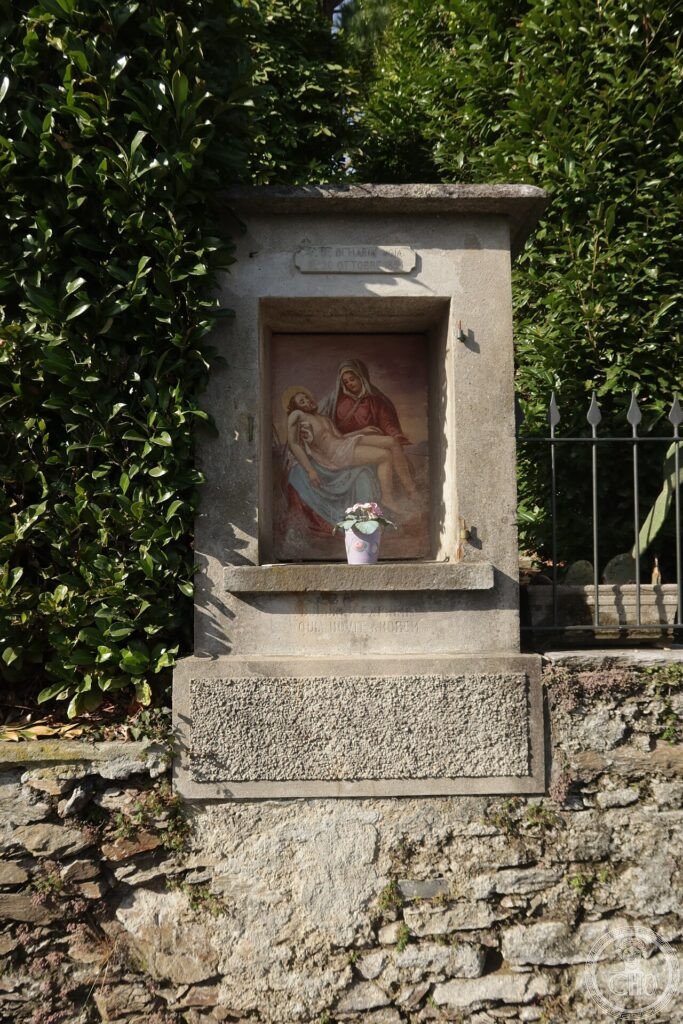
Sacro Monte di Ghiffa, Verbano-Cusio-Ossola, Piemonte, Italia. Il complesso del Sacro Monte di Ghiffa (1605–1760 CE): il bosco sacro di castagni e faggi che avvolge le 3 cappelle della Santissima Trinità sul pendio del Monte Carmine sopra Ghiffa (il bosco di Ghiffa è il più intatto dei 9 boschi sacri del serial UNESCO 2003: nessun percorso lastricate, nessuna illuminazione elettrica, nessun cancello; si cammina tra le radici dei castagni e si arriva alle cappelle come ci si arrivava nel 1605 CE quando le cappelle erano frequentate dai pellegrini che salivano da Intra e da Pallanza sul Lago Maggiore); la prima cappella (la Cappella della Trinità (o dell’Incoronazione della Vergine): la cappella più grande (8 m × 10 m); eretta nel 1605 CE; le statue in terracotta policroma (8 figure: la Trinità al centro + angeli ai lati); le statue sono attribuite all’atelier di Carlo Beretta, scultore milanese documentato in Varesotto nei primi anni del XVII sec. CE); la seconda cappella (la Cappella della Passione (o della Crocifissione): eretta 1605–1609 CE; 6 figure in terracotta policroma; il Cristo crocifisso al centro (1.80 m; le mani con piaghe realiste in vera tela laccata applicata sulla terracotta)); la terza cappella (la Cappella dell’Adorazione dei Magi: aggiunta 1640 CE; restaunata 1760 CE; 5 figure). UNESCO World Heritage Site 2003 (riferimento 1068: Sacri Monti del Piemonte e della Lombardia). Foto via Wikimedia Commons.
Ghiffa, Verbano-Cusio-Ossola, Piemonte, Italia · 3 cappelle (il più piccolo dei 9 Sacri Monti UNESCO); bosco sacro intatto; 1605–1640 CE (cappelle 1 e 2) + 1760 CE (restauro cappella 3); statua terracotta policroma Carlo Beretta atelier (Milano); UNESCO WHS 2003 (rif. 1068)

Sacro Monte di Ghiffa

Il Sacro Monte di Ghiffa (UNESCO 2003, rif. 1068) è il più intimo dei 9 Sacri Monti piemontesi e lombardi — solo 3 cappelle in un bosco di castagni incontaminato sopra Lago Maggiore, raggiungibili a piedi attraverso un sentiero non lastricato come nel 1605 CE, con statue in terracotta policroma che hanno conservato i pigmenti originali grazie all’isolamento secolare del sito.

At a glance

Ghiffa Sacro Monte Santissima Trinità (the most precisely Ghiffa zone Ghiffa Verbano-Cusio-Ossola Piemonte Italy 45.9639 N 8.6222 E UNESCO WHS 2003 reference 1068: the site (the Sacro Monte di Ghiffa: the smallest of the 9 Sacri Monti of the serial UNESCO 2003 inscription (number 1068): 3 chapels (compared to Varallo 44, Oropa 20, Orta 21, Varese 14, Ghiffa 3, Ossuccio 14, Crea 23, Domodossola 15, Belmonte 5); the location (on the Monte Carmine hillside above Ghiffa: a lakeside village on the western shore of Lago Maggiore; altitude of the chapels: 430 m above sea level; the village of Ghiffa: 245 m above sea level (the Lago Maggiore shore); the walk from the village: 30 minutes on a dirt path through chestnut and beech forest); the specific cultural value (the Sacro Monte di Ghiffa is the only one of the 9 UNESCO Sacri Monti where the “sacro bosco” (the sacred wood surrounding the chapels) has been entirely preserved without paved paths, electric lighting, or commercial facilities; the UNESCO inscription specifically cited this integrity in 2003 CE: “Ghiffa maintains the original relationship between the sacred and natural landscape”); the Santissima Trinità complex (the 3 chapels form the “complesso della Santissima Trinità”: the specifically Ghiffa devotional program: the 3 Persons of the Holy Trinity each given a separate chapel structure; this tripartite program is unique among the 9 UNESCO Sacri Monti where single-devotion programs (to Mary of Oropa, to Francis of Assisi at Orta, to the Sorrowful Mysteries of the Rosary at Domodossola) are more common).

Key facts

  • Il bosco sacro di Ghiffa: perché la Regione Piemonte ha rifiutato di lastricare il sentiero nel 1982 CE e cosa significa oggi per i visitatori: the decision (the forest path to the Ghiffa chapels: the Municipality of Ghiffa proposed to pave the path in 1982 CE as part of a regional tourism development fund; the Soprintendenza ai Beni Culturali del Piemonte refused the paving permit citing “alterazione del carattere del sito sacro” (alteration of the sacred character of the site); the decision was confirmed by the Regione Piemonte in 1983 CE; the result: the path is still 38 cm wide, compacted earth between roots, as documented in a 1605 CE plan at the Archivio Storico di Intra; for the visitor today: rubber-soled footwear required (the path is slippery in rain); the path takes 25–35 minutes from the Ghiffa village church (Chiesa di San Giulio; GPS: 45.9547, 8.6144); the altitude gain: 185 m in 1.2 km; the estimated calories burned: 180 kcal; the equivalent: about 4 floors of stairs repeated 9 times; the reward: on clear days the view from the Cappella della Trinità terrace includes Lago Maggiore from Pallanza to Luino)
  • GPS (Sacro Monte di Ghiffa, complesso cappelle): 45.9639° N, 8.6222° E

History

Dal 1405 CE al 1605 CE di fondazione al UNESCO 2003 (the most precisely Ghiffa zone history: the pre-chapel history (the Monte Carmine hillside above Ghiffa had been a site of popular Marian devotion since at least 1405 CE: the earliest documentary evidence is a 1405 CE will at the Archivio Notarile di Verbania in which a Ghiffa resident leaves money for “la cappella del monte” (the chapel on the hill); this pre-existing devotion motivated the 1605 CE foundation of the formal Sacro Monte complex); the 1605 CE foundation (the Sacro Monte di Ghiffa was founded in 1605 CE by the Franciscan tertiary Fra Giovanni Battista Zacchetti (c.1560–1620 CE): Zacchetti was inspired by the Sacro Monte of Varallo (founded 1490 CE by Fra Bernardino Caimi): he visited Varallo in 1598 CE and wrote a letter to the Bishop of Novara requesting permission to found a similar “Monte Santo” at Ghiffa; the bishop’s permission was granted 1601 CE; the first 2 chapels were completed 1605 CE; the 3rd chapel (Adorazione dei Magi) was added 1640 CE; the 18th century restoration (the chapels were restored 1760 CE by the local Confraternita di Santa Trinità (a lay brotherhood that maintained the site from 1620 CE onward)); the UNESCO inscription (2003 CE: the 9 Sacri Monti of Piemonte and Lombardia inscribed as serial WHS reference 1068).

What you see

Le 3 cappelle nel bosco, le statue terracotta, e Lago Maggiore (the most precisely Ghiffa zone visit (2–2.5 hours return from Ghiffa village): the trailhead (the path to the Sacro Monte starts from the Via al Sacro Monte road in Ghiffa village: GPS 45.9547, 8.6144; a blue waymarker trail “Sacro Monte di Ghiffa”); the forest walk (the path passes through a wood of mature chestnut trees (Castanea sativa; estimated age of the oldest trees: 300–400 years; the tree canopy closes over the path from May to October creating a cathedral effect of overlapping branches and filtered light at midday)); the Cappella 1 — Santissima Trinità (the largest chapel (8 m × 10 m); the facade: a simple double-curved gable with a cross in local grey stone (pietra di Baveno); the interior: the 8 terracotta figures by the Beretta atelier (the central group: God the Father (seated, 1.7 m) + Christ crucified (1.6 m, the wounds modeled with a separate piece of colored wax applied to the terracotta surface) + the Dove of the Holy Spirit (a painted wooden dove hanging from the vault by a copper wire; the original dove is a 1605 CE piece; the wire is dated 1887 CE by a maintenance record at the Confraternita archive)); the Cappella 2 — Passione (the smallest chapel (5 m × 6 m); the interior: 6 figures (Christ on the Cross at center; Mary + John + Mary Magdalene; 2 soldiers)); the Cappella 3 — Adorazione dei Magi (1640 CE + 1760 CE restoration: 5 terracotta figures; the most worn (the 1760 CE restoration included repainting all 5 figures; the current painted surface is therefore 18th century rather than original 17th century paint; a visible difference from the Cappella 1 where original 17th-century paint survives in protected areas (the undersides of the figures’ robes)); the lake view (from the terrace in front of Cappella 1: direct view south across Lago Maggiore to the Borromean Islands (Isola Bella + Isola Madre) on a clear day; the best viewpoint time: morning (the lake surface reflects the surrounding Alps in the morning light from the east).

Practical information

  • Come raggiungere Ghiffa e combinare con il Lago Maggiore e gli altri Sacri Monti: il trasporto (Arona → Ghiffa: battello Navigazione Lago Maggiore (NLM); estate: 6 corse/giorno; durata Arona–Ghiffa 1h; prezzo €9.50; alternativa: treno Trenitalia Torino–Domodossola fino a Stresa (1h15; €11.50) poi traghetto Stresa–Ghiffa 35 min €6.50); l’escursione ottimale (mattina: arrivo a Ghiffa via battello ore 9:30 → salita al Sacro Monte 30 min → visita cappelle 45 min → discesa 30 min → pranzo al ristorante Al Lago in Via Mazzini 12 (il “risotto al pesce persico di lago” €16 con il pesce pescato nel Verbano); pomeriggio: battello Ghiffa–Verbania-Pallanza → visita Giardini di Villa Taranto (i giardini botanici del colonnello Neil McEacharn; 1931 CE; 20.000 specie botaniche; €15; da aprile a ottobre))

Getting there

Battello NLM da Arona (1h, €9.50) o da Stresa (35 min, €6.50). Trenitalia fino a Verbania-Pallanza poi bus. Auto: SS34 del Lago Maggiore, Ghiffa. Sentiero non lastricato dal paese: 30 min, 185m dislivello. GPS cappelle: 45.9639, 8.6222.

Nearby

  • Verbania: Villa Taranto Giardini Botanici — 10 km sud (battello Ghiffa–Pallanza 15 min; 20.000 specie botaniche; i tulipani (aprile–maggio): 50.000 bulbi; l’Himalayan blue poppy (Meconopsis betonicifolia); il labirinto vegetale; €15)
  • Sacro Monte di Ossuccio (UNESCO 2003 rif. 1068) — 35 km (battello Ghiffa–Menaggio → Ossuccio taxi; il serial site Sacri Monti più vicino; 14 cappelle 1635–1714 CE sul Lago di Como)

Sources

  • Wikipedia, Sacro Monte di Ghiffa; Sacri Monti of Piedmont and Lombardy, accessed June 2026
  • UNESCO, Sacri Monti of Piedmont and Lombardy, WHS reference 1068, inscribed 2003
  • Langé, Santino. I Sacri Monti lombardi. Milano: Touring Club Italiano, 1967 (the standard reference for the artistic and architectural analysis of the Lombard Sacri Monti chapels)

Hero image: Sacro Monte di Ghiffa, Verbano-Cusio-Ossola, Piemonte, Italy, Wikimedia Commons. Editorial text © Cultural Heritage Online, 2026.

📷 Diventa un fotografo di Cultural Heritage Online

Condividi le tue foto dei luoghi: restano pubblicate con la tua firma come autore. Più vengono viste, più ti fai conoscere — e presto un concorso premierà le foto più apprezzate.

Accedi o registrati gratis per aggiungere una foto
📋 Copy & share on social
Scroll to Top