
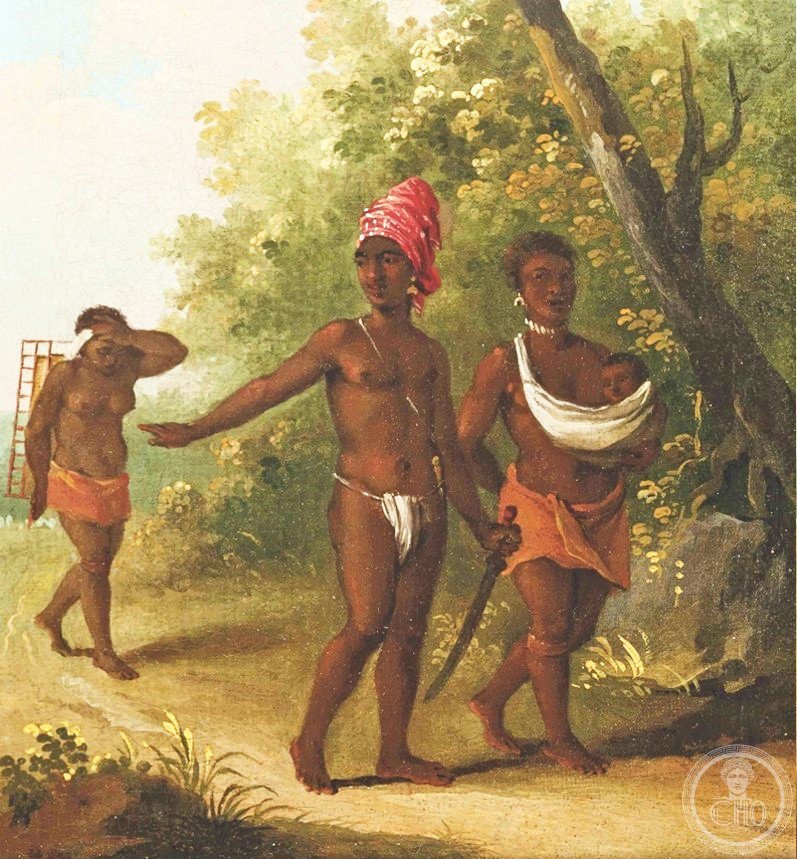
The living heritage of the Garifuna people—an Afro-Indigenous community born from the mixing of free African and Caribbean Islander ancestry—flows through language, rhythmic movement, and song across Central America and beyond.
At a glance
Garifuna culture expresses itself through a distinctive language rooted in Arawakan speech, ceremonial and social dances, and music that carries generations of Caribbean and African memory. The practice binds together communities across Belize, Honduras, Guatemala, and Nicaragua, anchored in the coastal town of Dangriga, where bearers continue to perform, teach, and pass down these traditions at celebrations, festivals, and family gatherings.
Origins & history
The Garifuna emerged from the island of Saint Vincent (known to its people as Yurumein) in the Lesser Antilles, descendants of Indigenous Arawak and Kalinago peoples and Afro-Caribbean communities. Between 2,500 and 5,000 persons were displaced from Saint Vincent to Roatán, beginning the Central American diaspora that would shape the region for centuries. Small communities remain in Saint Vincent and the Grenadines; larger populations now live in Honduras, Belize, the United States, and Guatemala.
The practice
Garifuna language—an Arawakan tongue with its own grammar and vocabulary—remains the primary vehicle of cultural identity and daily communication among speakers. Music and dance form the heartbeat of social and ceremonial life, performed at holidays, commemorations, and rites of passage. Rhythmic movement, call-and-response singing, and percussion-driven accompaniment reflect both African and Indigenous Caribbean roots. Performers and elders teach younger generations through direct participation in celebrations and informal instruction within families and communities.
Cultural significance
Language, dance, and music are inseparable threads in Garifuna identity and resilience. They document and celebrate the history of a people born from struggle and survival, encoding stories of displacement, adaptation, and cultural pride. Through these practices, Garifuna communities maintain connection to one another across borders and generations, resisting cultural erasure in an increasingly globalized world.
Key facts
- Countries: Belize, Guatemala, Honduras, Nicaragua
- Anchor community: Dangriga, Belize (16.96805°N, 88.21556°W)
- UNESCO ICH Reference: 00001
- Founding diaspora population: Estimated 2,500–5,000 persons transplanted from Saint Vincent to Roatán
- Language family: Arawakan
Where to experience it
Dangriga, Belize, remains the heartland of Garifuna cultural practice. Communities throughout Belize, Honduras, Guatemala, and Nicaragua sustain the language, music, and dance traditions through daily life, family celebrations, and public commemorations. Visitors are invited to experience these practices as living, evolving traditions within Garifuna towns and villages.
Sources & resources
- Garifuna — Wikipedia
- Language, Dance and Music of the Garifuna — UNESCO Intangible Cultural Heritage
- Cultural Heritage Online
Find it on the map
See this place and what’s around it →📷 Become a Cultural Heritage Online photographer
Share your photos of places: they stay published under your name as the author. The more they're seen, the more you get noticed — and soon a contest will reward the most appreciated photos.
Log in or sign up free to add a photo