
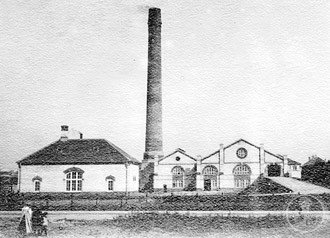
A pioneering early-20th-century industrial structure transformed into a cultural venue, this former incineration plant embodies Copenhagen’s shift from industrial heritage to community space.
At a glance
Built in 1903 in the Frederiksberg district, this incineration plant once processed the city’s waste. The complex now operates as Keddelhallen, a multipurpose venue for cultural and sports events managed by Frederiksberg Municipality, demonstrating adaptive reuse of industrial architecture.
History
The plant was constructed in 1903 to serve Copenhagen’s growing sanitation needs during the city’s industrial expansion. It stood for decades as a functional facility before becoming obsolete. The site was later repurposed, with the original buildings now housing Keddelhallen, a contemporary cultural and sports venue operated by the municipality.
What you see
The buildings maintain their early-20th-century industrial character while functioning as an events space. The structure originally designed for incineration has been adapted to accommodate modern cultural programming and athletic activities, preserving the fabric of the original complex.
Cultural significance
The site represents Copenhagen’s industrial heritage and the pragmatic Scandinavian approach to urban renewal. Rather than demolition, the municipality chose preservation and reactivation—transforming a once-utilitarian facility into a dynamic community hub that honors the past while serving contemporary cultural and recreational needs.
Key facts
- Built: 1903
- Location: Frederiksberg Municipality, Copenhagen, Denmark
- Current use: Keddelhallen—cultural and sports venue
- Operator: Frederiksberg Municipality
- Coordinates: 55.6837°N, 12.5212°E
Practical information & getting there
Keddelhallen is located at Nyelandsvej in Frederiksberg, near the intersection of Godthåbsvej and Nordre Fasanvej, adjacent to Frederiksberg Hospital. Check the venue’s website for current event schedules, hours of operation, and access information for cultural and sports activities.
Sources & resources
Find it on the map
See this place and what’s around it →📷 Become a Cultural Heritage Online photographer
Share your photos of places: they stay published under your name as the author. The more they're seen, the more you get noticed — and soon a contest will reward the most appreciated photos.
Log in or sign up free to add a photoIs this page about you?
This page is read by travellers and heritage enthusiasts who find it on Google. Tell us how you are connected to this place and we will take it from there.