
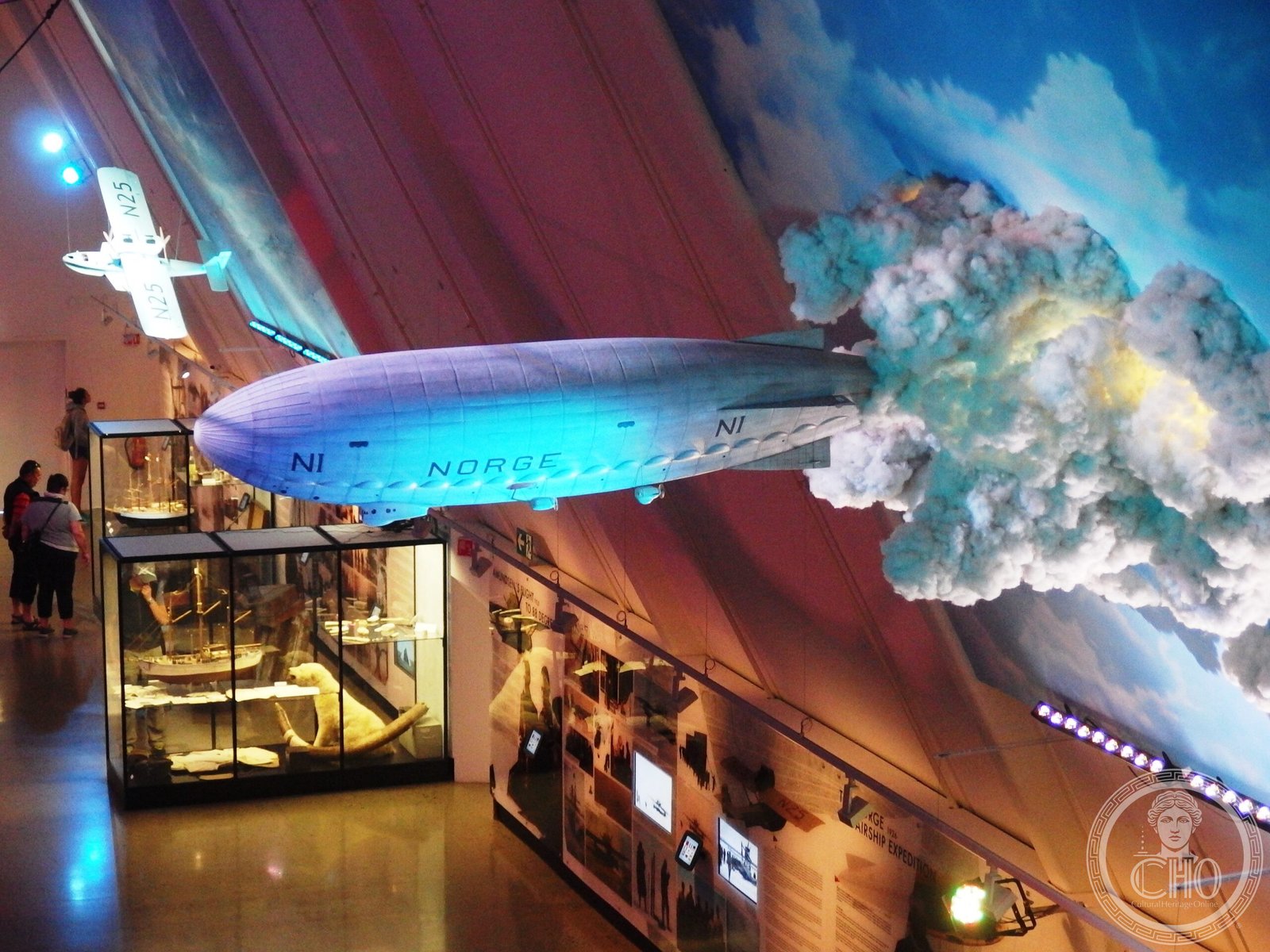
The Fram Museum on the Bygdøy peninsula in Oslo preserves the original polar exploration vessel Fram — the strongest wooden ship ever built and the vessel that sailed further north and further south than any other ship in history. Inaugurated in 1936, the museum celebrates Norway’s golden age of polar exploration through the expeditions of Fridtjof Nansen, Otto Sverdrup, and Roald Amundsen. The intact original interior of Fram is open to visitors, and since 2017 the museum also houses the Gjøa, the first vessel to complete the Northwest Passage.
At a glance
- Type
- Maritime and polar exploration museum
- Period
- Museum inaugurated 20 May 1936; Fram built 1891–1892
- Style
- Purpose-built museum hall housing original historic vessels
- Location
- Bygdøynesveien 36, Bygdøy, Oslo, Norway
- Ship designer
- Colin Archer (Scots-Norwegian shipbuilder), to specifications by Fridtjof Nansen
- Coordinates
- 59.9033° N, 10.6995° E
Overview
The Fram Museum is one of the most visited museums in Norway and a centrepiece of the Bygdøy museum island, which also hosts the Kon-Tiki Museum, the Norwegian Maritime Museum, and the Viking Ship Museum. It tells the story of Norwegian polar exploration from the 1890s through Amundsen’s conquest of the South Pole in 1911, using the original ships as its primary artefacts. The museum is a living monument to the era when Norway led the world in geographical exploration of the extreme latitudes.
History
The schooner Fram was commissioned by Fridtjof Nansen and built by Colin Archer in 1891–1892 with an unusually rounded hull designed to rise under ice pressure rather than be crushed. She carried Nansen to a record northern latitude of 86°14′N in 1895 and later served Amundsen’s 1910–1912 South Pole expedition. A committee of polar veterans established the museum in 1930 to preserve the vessel, and it opened to the public on 20 May 1936. The Gjøa, in which Amundsen first completed the Northwest Passage (1903–1906), was added in 2009 and became fully accessible in 2017.
What you see
The centrepiece is Fram herself, housed in a purpose-built A-frame hall that allows visitors to board the ship and explore her original interior: the cramped but meticulously fitted cabins, the galley, the chart room, and the engine space. Surrounding exhibitions use photography, equipment, and personal effects to reconstruct the lived experience of polar exploration. A dedicated wing presents the Gjøa in her own building, accessible since 2017. Displays on polar fauna — polar bears, penguins, seals — round out the visitor experience with natural history context.
Cultural significance
The Fram Museum is a cornerstone of Norwegian national identity, memorialising the age when Norway — barely independent since 1905 — asserted itself on the world stage through feats of exploration. Fram herself is a UNESCO-acknowledged piece of world maritime heritage and the most-travelled wooden vessel in recorded history, having visited both polar regions. The museum preserves one of the very few intact exploration ships from the heroic age of polar discovery still accessible to the public.
Practical information
- Address
- Bygdøynesveien 36, 0286 Oslo, Norway
- Hours
- Daily; seasonal hours vary — check official website for current schedule
- Admission
- Paid entry; combination tickets available with nearby Bygdøy museums
Getting there
From central Oslo, take Bus 30 from Nationaltheatret to the Bygdøy museum cluster (approx. 15 minutes), or in summer use the ferry from Rådhusbrygga (City Hall quay) to Bygdøynes. The museum is a short walk from the ferry landing and shares parking with the Kon-Tiki Museum.
Sources & resources
Find it on the map
See this place and what’s around it →📷 Become a Cultural Heritage Online photographer
Share your photos of places: they stay published under your name as the author. The more they're seen, the more you get noticed — and soon a contest will reward the most appreciated photos.
Log in or sign up free to add a photoIs this page about you?
This page is read by travellers and heritage enthusiasts who find it on Google. Tell us how you are connected to this place and we will take it from there.