
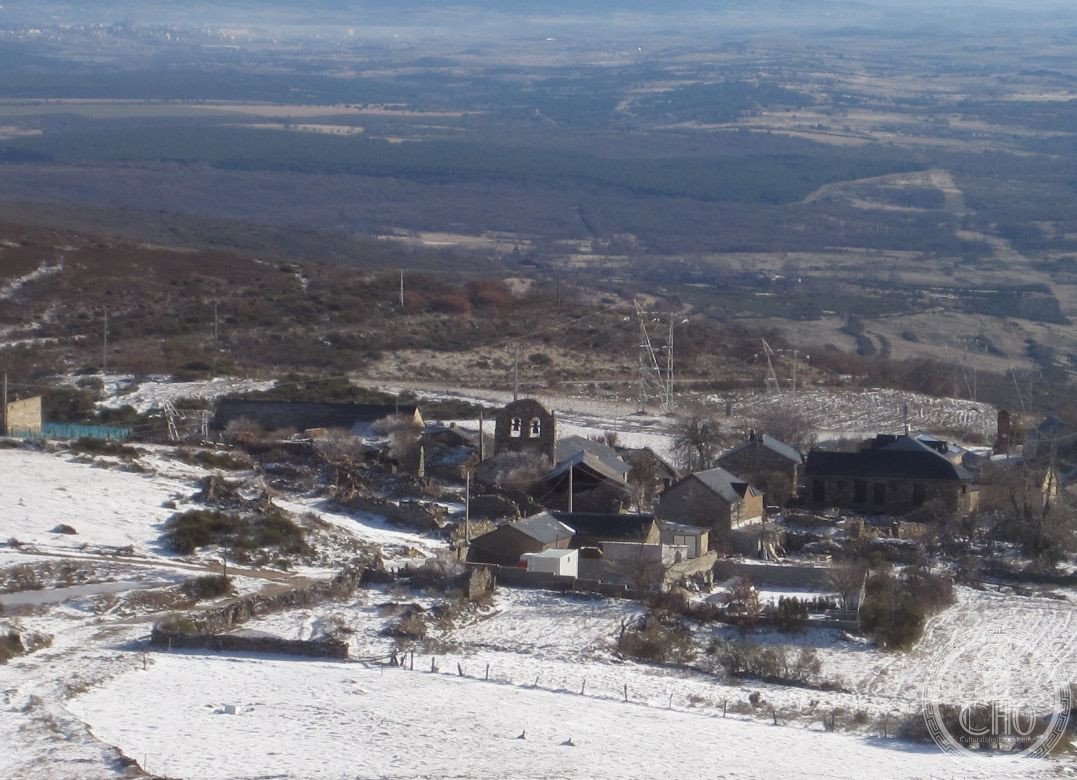
A medieval pilgrim village on the Way of St. James, nearly abandoned by the 1990s, now revived by the resurgence of Santiago de Compostela pilgrimage.
At a glance
Foncebadón stands on one of Christianity’s most venerable routes. During the Middle Ages, this settlement in the municipality of Santa Colomba de Somoza prospered as a waystation for pilgrims journeying to Santiago de Compostela, offering rest, food, and spiritual sustenance. Its fortunes have ebbed and flowed with the pilgrimage itself.
History
The village’s golden age coincided with peak pilgrimage traffic in the medieval period. Local tradition holds that it received tax exemption in exchange for planting 800 stakes to mark the path across the mountains. In the 10th century, King Ramiro II of León convened a religious council here—a mark of the village’s ecclesiastical importance.
In the 11th or 12th century, the hermit Guacelmo founded a hospital and church, formalizing Foncebadón’s role as a refuge. These institutions anchored the settlement for centuries.
Decline came gradually. The 16th-century Protestant Reformation, the Napoleonic Wars of the early 1800s, and the construction of new roads and railways redirected pilgrimage traffic. By the mid-20th century, Foncebadón had become a ghost settlement. During the 1960s and 70s, residents departed for nearby cities seeking work. By 1990, only a mother and son remained among the crumbling stone houses.
Revival has arrived with the modern pilgrimage boom. Entrepreneurs have purchased and restored key buildings, including the church and hostel, attracting thousands of contemporary walkers.
What you see
Foncebadón retains its medieval character. The village church and original hostel stand as focal points of the restored settlement. Stone buildings, many recently renovated, cluster along the pilgrimage route. The landscape itself—high mountain terrain—frames the village’s strategic position on the Way of St. James.
Cultural significance
This village embodies the resilience of sacred geography. For a thousand years, Foncebadón represented tangible hospitality on one of the world’s oldest pilgrimage networks. Its near-extinction and resurrection mirror broader transformations in how people experience faith and travel. Today it stands as evidence of how cultural heritage can be reclaimed and revitalized.
Key facts
- Country: Spain
- Location: Municipality of Santa Colomba de Somoza, Province of León
- Coordinates: 42.49°N, 6.34°W
- Historical significance: 10th-century religious council convened by Ramiro II; 11th–12th-century hospital and church founded by hermit Guacelmo
Practical information & getting there
Foncebadón lies on the Way of St. James (Camino de Santiago), accessible to pilgrims and visitors. Renovated accommodations and services have returned. For current opening hours, facilities, and access details, consult local tourism offices or pilgrimage guides.
Sources & resources
Find it on the map
See this place and what’s around it →📷 Become a Cultural Heritage Online photographer
Share your photos of places: they stay published under your name as the author. The more they're seen, the more you get noticed — and soon a contest will reward the most appreciated photos.
Log in or sign up free to add a photo