
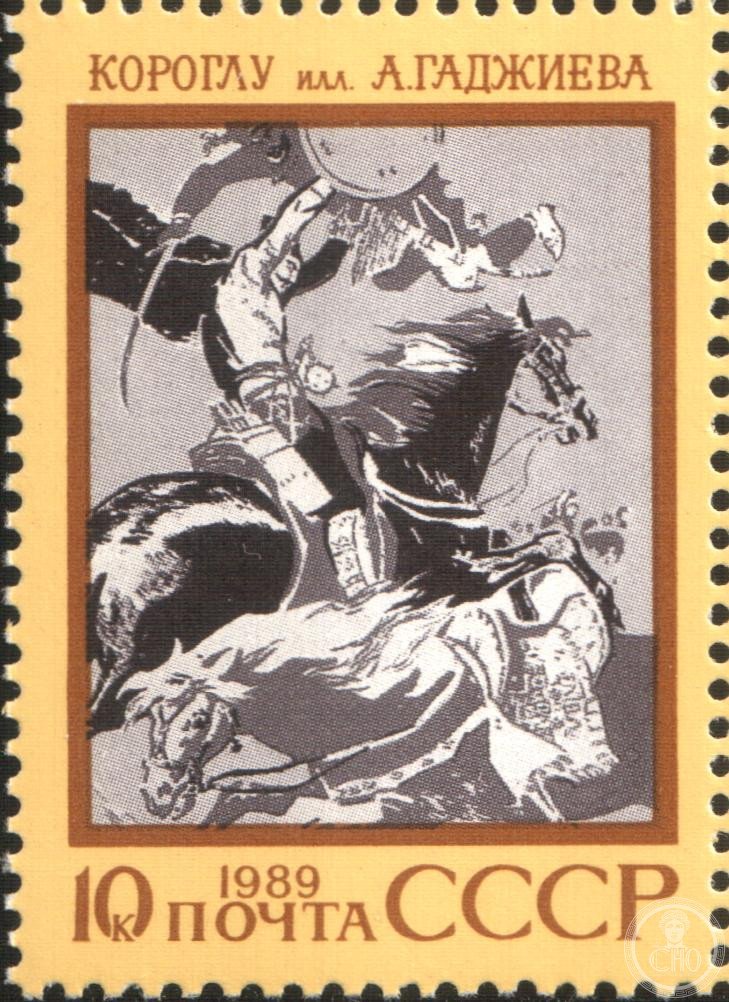
A heroic oral tradition sung and recited across Central Asia and the Caucasus, the Epic of Gorogly preserves the deeds of a legendary champion who defies tyranny and injustice through centuries of performance.
At a glance
The Epic of Gorogly is a heroic legend central to the oral traditions of Turkic peoples, especially the Oghuz Turks. The epic recounts the life and exploits of its namesake hero—a figure who struggles against unjust rulers with the chivalry of a folk avenger. Performed by specialist narrators and bards across the region, the epic has endured through centuries of living performance.
Origins & history
The epic emerged from the oral traditions of Oghuz Turks and spread widely across Central Asia, the South Caucasus, and Asia Minor during the Middle Ages as Oghuz Turkic groups migrated and intermingled with neighboring peoples. This dispersal gave rise to distinct versions in Turkmen, Kazakh, Uzbek, Tajik, Azerbaijani, Turkish, Crimean Tatar, Georgian, Kurdish, and Armenian. The narratives were preserved and transmitted orally by specialist bards—known as bagshy in Turkmenistan and Ashik in Azerbaijan and Turkey—before being recorded in written form mostly during the 18th century.
The practice
The epic is performed through oral recitation and song, often accompanied by music. A narrator embodies the story, voice modulating across dialogue and action. The tale describes a hero who seeks vengeance for wrongs, blending romance with Robin Hood-like acts of justice against tyranny. The performance was traditionally offered at sporting events, where the hero’s courage inspired competing athletes and audiences alike.
Cultural significance
The Epic of Gorogly stands as a shared cultural inheritance among Turkic and neighboring peoples, encoding values of resistance, honor, and popular justice. Its survival across oral performance networks demonstrates the resilience of narrative tradition in communities where written literature was less accessible. The epic continues to anchor collective memory and identity among its bearer communities.
Key facts
- Primary heartland: Ashgabat, Turkmenistan
- Coordinates: 37.94035, 58.38478
- Recorded primarily in the 18th century
- UNESCO Intangible Cultural Heritage reference: 01028
- Versions exist in at least nine languages and dialects
Where to experience it
In Ashgabat and across Turkmenistan, the epic tradition survives in oral performance and cultural institutions. Specific current venues and performance schedules require local inquiry through cultural organizations in Turkmenistan.
Sources & resources
Find it on the map
See this place and what’s around it →📷 Become a Cultural Heritage Online photographer
Share your photos of places: they stay published under your name as the author. The more they're seen, the more you get noticed — and soon a contest will reward the most appreciated photos.
Log in or sign up free to add a photo