

Overview
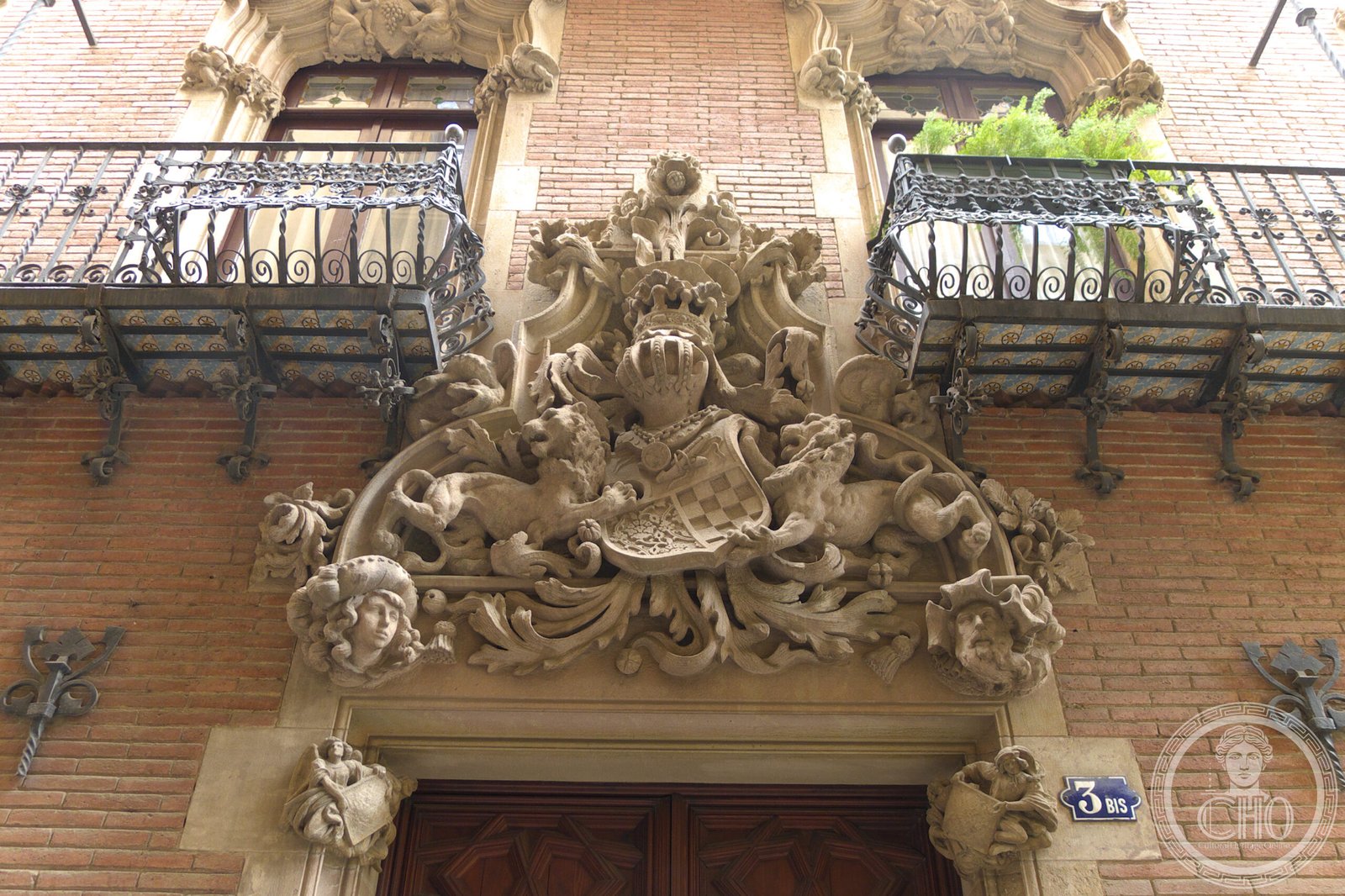
Els Quatre Gats — the café-restaurant housed in Josep Puig i Cadafalch's Casa Martí — was the nerve centre of Catalan Modernisme from its opening in 1897. Modelled on the Chat Noir in Paris, it gathered Gaudí, Santiago Rusiñol, Ramon Casas, and the young Pablo Picasso, who mounted his first solo exhibition here in 1900. The building itself is a compressed masterpiece of Cadafalch's Gothic-Moorish Revival idiom, combining medieval Catalan stonework with sinuous wrought iron. Closed and reopened several times since the Civil War, it operates today as a restaurant and cultural landmark in the Gothic Quarter.
Architecture
Josep Puig i Cadafalch designed Casa Martí in 1895–96 for the Martí family — his first building in Barcelona — integrating domestic apartments above the ground-floor café run by Pere Romeu. The façade on the Carrer de Montsió is a bravura exercise in medieval Catalan Revival: pointed arches, carved stone tracery, and polychrome ceramic tilework. Wrought-iron gate-screens by Manuel Ballarin frame the entrance, and the interior ground-floor room is framed by painted tile panels by Ramon Casas, including his famous cycling image of himself and Pere Romeu on a tandem bicycle, a copy of which remains in situ.
History
Pere Romeu opened the café in June 1897 with the backing of Santiago Rusiñol, whose Paris salon culture he hoped to transplant to Barcelona. In its three years of greatest activity — 1897 to 1900 — Els Quatre Gats hosted puppet theatre, poetry readings, and exhibitions that shaped the emerging Modernisme movement. Picasso, then seventeen, exhibited his charcoal portraits here in February 1900; the show is considered his first significant public appearance as an artist. The café closed in 1903 after Romeu's resources ran out, reopening periodically through the twentieth century and permanently since 1989.
Interior
The ground-floor room preserves its essential character from the 1897 opening. A high vaulted ceiling, polychrome ceramic tiles, and original Ramon Casas paintings — including reproductions of his celebrated café-life scenes — line the walls. The long wooden bar runs along one side; small round tables fill the main room. The wrought-iron staircase leads to upper dining rooms used for private events. The overall atmosphere is that of a medieval guild hall interpreted through Moderniste sensibility: dark timber, stone, and ceramic, with strategically placed colour.
Visiting
Els Quatre Gats is open daily for breakfast, lunch, and dinner. Reservations are recommended in the evening. A small exhibition corner near the entrance documents the café's artistic history. Prices reflect the tourist location but the interior is fully accessible without a formal meal — a coffee at the bar is the traditional way in.
Getting There
Address: Carrer de Montsió 3 bis, 08002 Barcelona, Catalonia, Spain. Metro Urquinaona (lines 1 and 4) is a three-minute walk. The café sits at the edge of the Gothic Quarter, equidistant from the Cathedral and the Plaça Catalunya.
In the Area
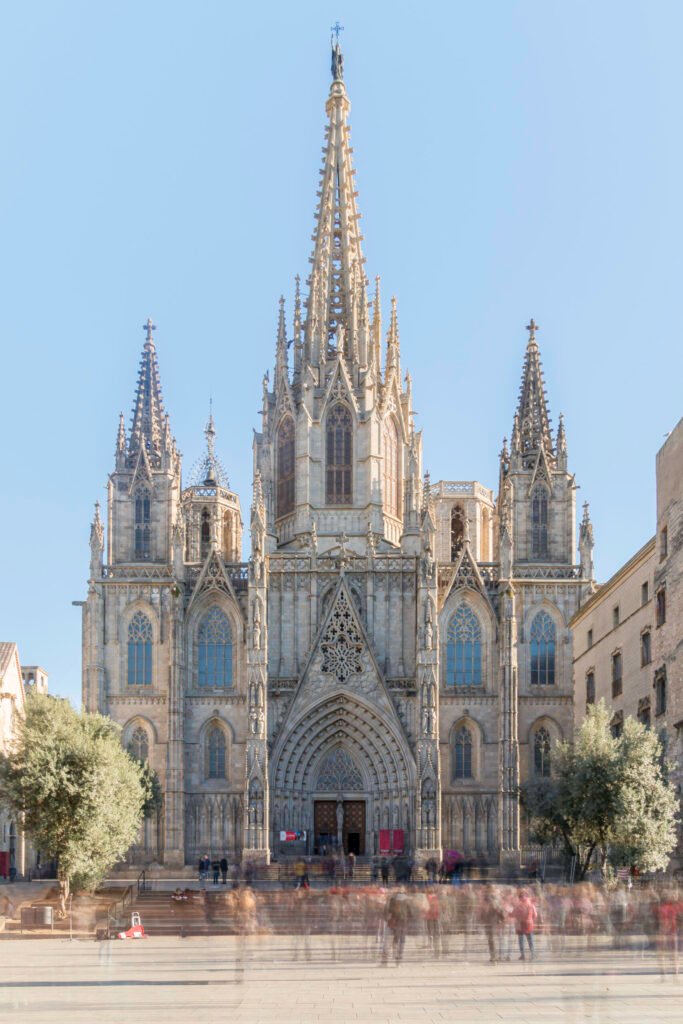
Casa Martí sits within a dense heritage cluster. The Barcelona Cathedral and its cloister are five minutes on foot; the Palau de la Música Catalana by Lluís Domènech i Montaner — a UNESCO World Heritage site — is ten minutes north. The MNAC on Montjuïc houses the definitive collection of Catalan Romanesque and Modernisme art.
More photographs
Find it on the map
See this place and what’s around it →📷 Become a Cultural Heritage Online photographer
Share your photos of places: they stay published under your name as the author. The more they're seen, the more you get noticed — and soon a contest will reward the most appreciated photos.
Log in or sign up free to add a photo