
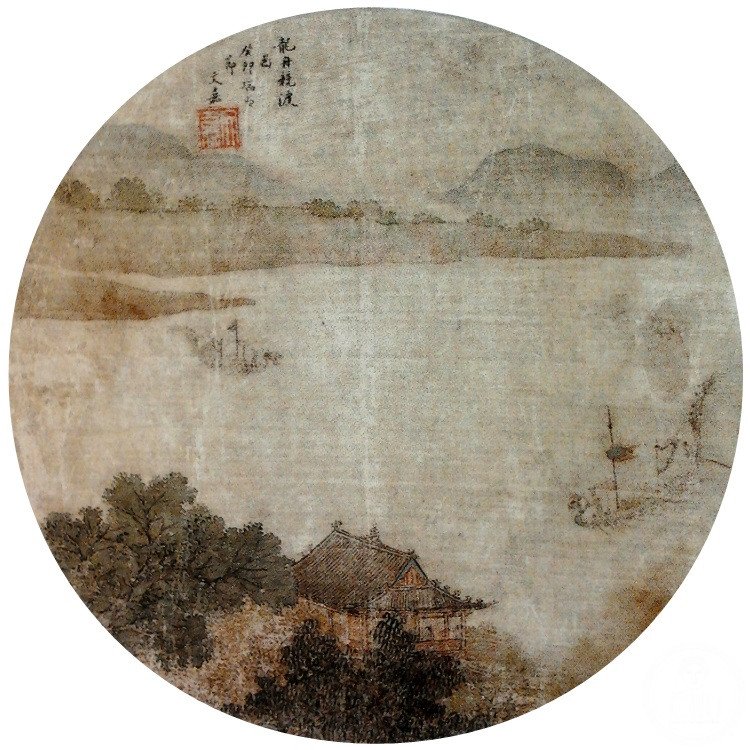
A celebration rooted in memory of the ancient statesman Qu Yuan, the Dragon Boat Festival brings communities together on the fifth day of the fifth lunar month to race decorated boats and share symbolic foods—a practice that blends commemoration, competition, and collective renewal.
At a glance
The Dragon Boat Festival (Duānwǔ jié) is a traditional Chinese holiday observed on the fifth day of the fifth month of the lunar calendar, falling in late May or early June in the Western calendar. Its core ritual elements—dragon boat racing and the preparation and eating of zongzi, sticky rice dumplings—emerged from southern Chinese traditions and remain central to how communities honour both cultural memory and the rhythms of the summer season.
Origins & history
The festival commemorates Qu Yuan, a beloved prime minister of the southern state of Chu during the Warring States period (approximately 600–200 B.C.). According to tradition, after Qu Yuan’s death, people raced boats to scatter offerings in the water in his memory, and prepared zongzi—wrapped bundles of glutinous rice—as ritual gifts. These acts of veneration crystallized into a festival that has been celebrated across Chinese communities for more than two thousand years.
The practice
Dragon boat racing forms the ceremonial heart of the festival. Teams of rowers propel long, narrow boats decorated with a carved dragon head and tail through local waterways—rivers, harbours, and lakes—in synchronized bursts of effort and chanting. The boats themselves are masterworks of traditional craftsmanship, their hulls and ornaments built by specialized makers following ancestral designs.
Equally vital is the preparation and consumption of zongzi. Families gather to wrap glutinous rice—sometimes mixed with dates, chestnuts, red bean paste, or salted egg yolk—in bamboo leaves, folding each parcel into a distinctive pyramid or tetrahedral form. The act of wrapping is both practical and meditative, often bringing multiple generations around a table. The finished dumplings are then steamed or boiled and shared among households and guests.
The festival also integrates prayer and blessing. Participants seek good fortune and protection as summer approaches, making offerings at temples and home altars.
Cultural significance
The Dragon Boat Festival stands as one of China’s most enduring expressions of collective identity and continuity. In 2009, UNESCO recognized it as the first Chinese holiday to be inscribed on the Representative List of the Intangible Cultural Heritage of Humanity—an acknowledgement of its global cultural importance and its power to transmit values, memory, and social cohesion across generations and borders.
Key facts
- Observed on the fifth day of the fifth lunar month (late May to early June)
- Commemorates Qu Yuan, prime minister of Chu (c. 600–200 B.C.)
- Core practices: dragon boat racing and eating zongzi (sticky rice dumplings)
- Practised across China and Chinese diaspora communities
- UNESCO Intangible Cultural Heritage inscription: 2009 (reference 00225)
- First Chinese holiday to receive UNESCO ICH recognition
Where to experience it
The Dragon Boat Festival is most deeply rooted in the waterways and communities of central and southern China, particularly in the Yangtze River region, where Yueyang remains a heartland of the tradition. The festival is celebrated nationwide and among Chinese communities worldwide, with races and family gatherings in coastal cities, inland towns, and diaspora centres wherever Chinese culture is maintained.
Sources & resources
- Dragon Boat Festival — Wikipedia
- Dragon Boat Festival — UNESCO Intangible Cultural Heritage
- Cultural Heritage Online
Find it on the map
See this place and what’s around it →📷 Become a Cultural Heritage Online photographer
Share your photos of places: they stay published under your name as the author. The more they're seen, the more you get noticed — and soon a contest will reward the most appreciated photos.
Log in or sign up free to add a photo