
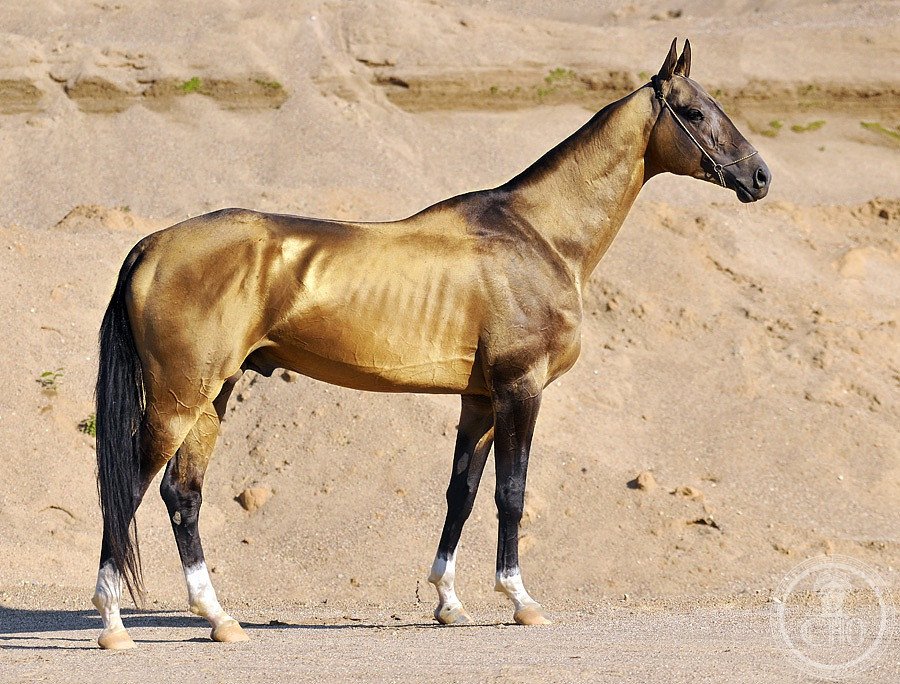
For centuries, Turkmen breeders have cultivated the Akhal-Teke, a legendary horse breed prized for speed, endurance, and an ethereal golden sheen. Known as the “Golden Horses,” these animals embody a living tradition of selective breeding, oral pedigree recording, and horsemanship passed down through generations.
At a glance
The Akhal-Teke is a Turkmen horse breed renowned for its distinctive metallic coat, refined build, and exceptional ability to endure severe climates. Approximately 6,600 Akhal-Tekes exist worldwide, with the largest population in Turkmenistan. The breed is thought to be one of the oldest existing horse breeds, shaped by the traditions and knowledge of Turkmen tribes over generations.
Origins & history
The Akhal-Teke takes its name from the Akhal line of oases along the north slope of the Köpetdag mountains, home to the Teke tribe of Turkmens. The breed is probably descended from the Turkoman horse, an older breed that some scholars claim is identical. Turkmen tribes selectively bred these horses for raiding and survival in harsh desert conditions, recording bloodlines orally rather than in written form—a practice central to the tradition’s identity.
During the 19th century, these horses featured prominently in conflicts against the Russian Empire. The breed’s influence extended beyond Turkmenistan: Turkoman stallions made significant contributions to the development of the modern Thoroughbred. The studbook closed in 1932, and the Soviet Union published the first official breed registry in 1941, documenting over 700 horses.
The practice
Akhal-Teke breeding centers on selective reproduction guided by deep knowledge of bloodlines and temperament. Breeders value the breed’s hallmark traits: a thin, silken mane, long legs, and a coat that shimmers with an almost metallic gold or silver lustre in sunlight. The horses stand out for their intelligence and their adaptation to extreme desert heat and sparse grazing.
The tradition encompasses not only the breeding itself but also the oral transmission of pedigree knowledge from one generation to the next. This living practice connects breeders to centuries of accumulated understanding about genetics, nutrition, training, and the cultural significance of the horse within Turkmen society.
Cultural significance
The Akhal-Teke occupies a profound place in Turkmen identity and heritage. These horses symbolize the resilience, ingenuity, and aesthetic refinement of Turkmen pastoral culture. The tradition of breeding and pedigree stewardship represents a form of cultural knowledge that transcends written records, embodying values of precision, patience, and continuity across centuries.
The breed’s global presence—now found throughout Europe and North America—reflects both its historical importance and its role as a living ambassador of Turkmen heritage.
Key facts
- UNESCO Intangible Cultural Heritage: 2012 (Reference 01978)
- Primary location: Turkmenistan
- Approximate population: 6,600 Akhal-Tekes worldwide
- Coordinates of Ashgabat (anchor community): 37.93781, 58.38464
- Studbook closed: 1932
- First official breed registry: Soviet Union, 1941 (over 700 horses documented)
Where to experience it
Ashgabat and throughout Turkmenistan remain the heartland of Akhal-Teke breeding and stewardship. The tradition continues to be practiced by Turkmen breeders who maintain living knowledge of pedigrees, breeding practices, and the cultural values surrounding these celebrated horses. Specific festivals, studs, and venues are best confirmed locally.
Sources & resources
- Akhal-Teke (Wikipedia)
- Art of Akhal-Teke horse breeding and traditions of horses decoration (UNESCO Intangible Cultural Heritage)
- Cultural Heritage Online
Find it on the map
See this place and what’s around it →📷 Become a Cultural Heritage Online photographer
Share your photos of places: they stay published under your name as the author. The more they're seen, the more you get noticed — and soon a contest will reward the most appreciated photos.
Log in or sign up free to add a photo