

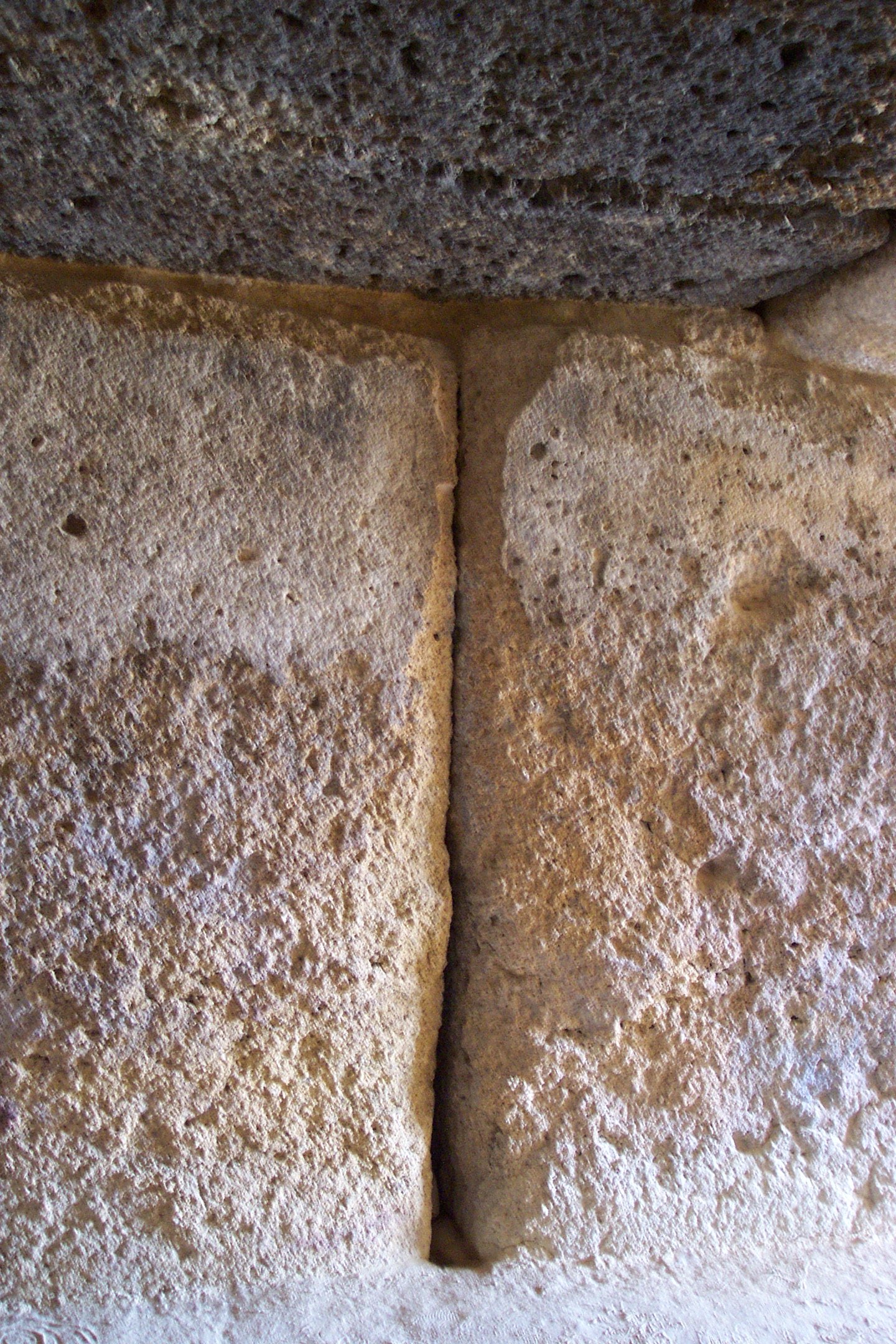
Three megalithic monuments on the edge of an Andalusian market town constitute the most architecturally ambitious prehistoric funerary complex in the Iberian Peninsula – and Menga, with its 150-tonne capstone, is the most astonishing single act of Neolithic engineering in all of Europe.
At a glance
The Antequera Dolmens Site – a UNESCO World Heritage Site since 2016 – comprises three monuments built during the Chalcolithic (Copper Age) between approximately 3800 and 3000 BC. The Menga and Viera dolmens stand about 3 km from the centre of Antequera in the province of Malaga; the El Romeral tholos lies some 4.5 km distant. Together they represent the full range of megalithic funerary architecture practised in the western Mediterranean: a gallery grave, a corridor tomb, and a false-corbelled tholos. Menga alone – with its 150-tonne capstone, internal supporting pillars, and orientation toward a rock formation rather than a celestial event – justifies the journey from anywhere in Europe.
Key facts
- UNESCO WHS: 2016 – “Dolmens of Antequera Site”
- Period: c. 3800-3000 BC (Copper Age, Iberian Megalithic tradition)
- Three monuments: Menga (gallery grave), Viera (corridor tomb), El Romeral (false-corbelled tholos)
- Menga dimensions: 27 metres long, built from 32 megaliths; largest capstone approximately 150 tonnes – the heaviest single stone moved for any megalithic monument in Spain
- Menga orientation: toward La Pena de los Enamorados rock formation, not a solar alignment – unique among major European megalithic monuments
- Rock art: human figures carved on orthostats inside Menga – among the oldest representational art in the western Mediterranean
- GPS: 37.0161 N, 4.5484 W
History
The three dolmens were constructed between roughly 3800 and 3000 BC by communities of the Iberian Chalcolithic – a period characterised by the emergence of complex societies, the first use of copper, long-distance exchange networks, and the construction of monumental collective tombs that served as centres of ritual, ancestral memory, and territorial identity. The builders of Menga faced a structural problem their counterparts at most other megalithic sites in Europe did not: they wished to build an unusually wide gallery requiring a solution the Neolithic world had rarely attempted. Their answer was a line of three internal supporting pillars running down the central axis, allowing them to cap the structure with a stone weighing approximately 150 tonnes – the largest single megalithic capstone in Spain.
The orientation of Menga is one of the enduring puzzles of European megalithic studies. Most passage graves and gallery tombs of the Atlantic and Mediterranean zones are aligned with solar or lunar events. Menga is oriented instead directly toward La Pena de los Enamorados – a striking natural rock formation approximately 4 km to the northeast whose profile resembles a reclining human face. Whether this represents a cosmological connection to an ancestral landscape feature, a territorial marker, or something else entirely remains contested. On the walls of Menga, carved human figures dating to the Chalcolithic or Early Bronze Age are among the earliest representational art in the western Mediterranean.
The Viera dolmen is a more conventional Chalcolithic corridor tomb: a long narrow passage leading to a small square chamber, aligned toward the spring equinox sunrise. El Romeral is architecturally distinct – a tholos of corbelled stone construction with two chambers, structurally related to Aegean traditions and demonstrating the remarkable architectural range achieved within a single Antequera community. All three monuments were used for collective burial over extended periods, their chambers presumably reopened generation after generation as new dead were interred.
What you see
The Museo Dolmens de Antequera (opened 2016 alongside UNESCO inscription) provides essential interpretive context. The museum – a low-lying, architecturally refined building set into the landscape adjacent to Menga and Viera – houses carved orthostats from inside Menga (protected by replicas in situ), Chalcolithic grave goods, and an audiovisual reconstruction of the construction process. From the museum you walk directly to the two dolmens, both enclosed in protective shelters with free interior access.
Inside Menga the effect is immediate and visceral: the gallery is low enough that visitors must stoop, the ceiling slabs pressing down above you, and the three internal pillars create a forest-like series of frames. At the far end, a well shaft was sunk in antiquity – its purpose unknown. The carved human figures on the left orthostats are visible in raking light; bring a torch. El Romeral, 1.5 km distant by shuttle bus from the museum, is smaller in scale but equally impressive: the corbelled tholos vaults of both chambers create a geometry of extraordinary precision for structures built without metal tools.
Practical information
- Museo Dolmens de Antequera: Ctra. de Malaga s/n, 29200 Antequera; open Tuesday-Sunday (closed Mondays); hours vary seasonally
- Entry: Free for EU citizens and residents; small fee for non-EU visitors; shuttle bus to El Romeral included
- Guided tours: Available at the museum (check schedule); highly recommended for the carved figures in Menga
- Best season: March-May and September-November; summer mornings before 11:00
- Duration: Allow 3-4 hours for museum + Menga + Viera + El Romeral
- Accessibility: Museum and dolmen approaches paved and wheelchair-accessible; interior passages are low and uneven
Getting there
Antequera sits at the crossroads of Andalusia, served by AVE high-speed trains from Malaga (20 minutes), Granada (30 minutes), and Cordoba (50 minutes). The Museo Dolmens is approximately 3 km from the train station; taxis are available at the station. By car from Malaga (55 km, A-45 motorway) or Granada (100 km, A-92). Free parking at the museum. GPS: 37.0161 N, 4.5484 W.
Nearby
- El Torcal de Antequera – extraordinary karst limestone landscape 15 km south; one of Andalusia’s most dramatic natural parks and a UNESCO Geopark
- La Pena de los Enamorados – the distinctive rock formation toward which Menga is oriented; 4 km northeast of Antequera
- Malaga – 55 km south on the Costa del Sol; Picasso Museum, Roman theatre, and Alcazaba castle; excellent transport hub
- Granada – 100 km east; the Alhambra palace complex; natural pairing with Antequera for a heritage circuit of Andalusia
Sources
- UNESCO World Heritage – Dolmens of Antequera Site (2016)
- Ruiz Gonzalez, B. (ed.) (2009). Dolmenes de Antequera: tutela y valorizacion hoy. Junta de Andalucia, Instituto Andaluz del Patrimonio Historico.
- Hoskin, M. (2001). Tombs, Temples and Their Orientations. Ocarina Books.
- Museo de Antequera – Museo Dolmens de Antequera
- Junta de Andalucia – Enclave Arqueologico Dolmenes de Antequera
Find it on the map
See this place and what’s around it →📷 Become a Cultural Heritage Online photographer
Share your photos of places: they stay published under your name as the author. The more they're seen, the more you get noticed — and soon a contest will reward the most appreciated photos.
Log in or sign up free to add a photoIs this page about you?
This page is read by travellers and heritage enthusiasts who find it on Google. Tell us how you are connected to this place and we will take it from there.