
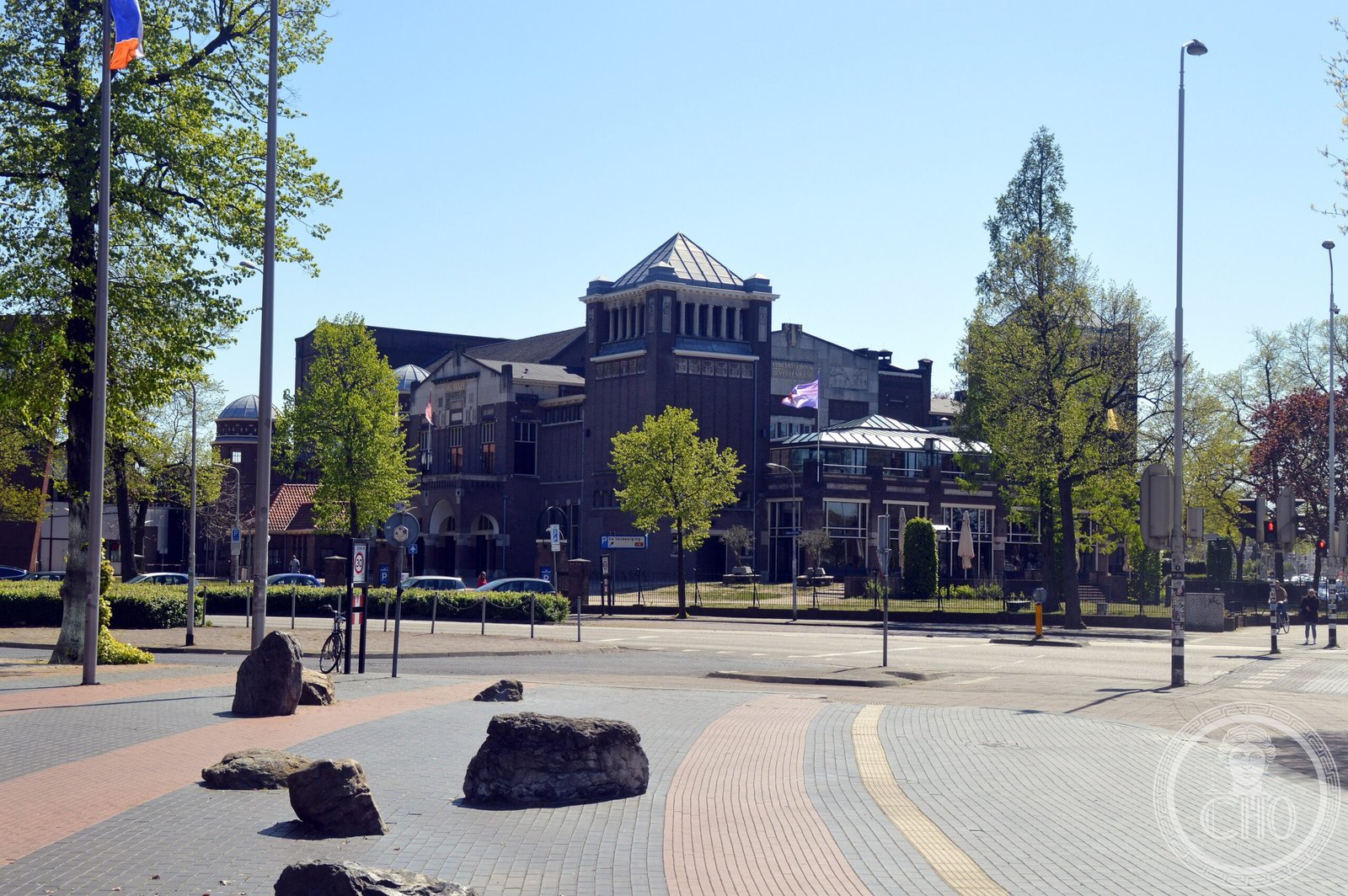
A Dutch concert hall where Art Nouveau and Art Deco converge, celebrated for its clarity and warmth in orchestral sound.
At a glance
This early 20th-century concert hall seats 1,450 and serves as a principal venue for orchestral performance in the eastern Netherlands. Its acoustic design remains its defining achievement—a distinction earned through architectural intention rather than accident.
History
Concertgebouw de Vereeniging opened to the public in 1915, established during a period of cultural expansion across the Netherlands. The hall emerged from a commitment to bring world-class musical performance to Nijmegen, a city with deep roots in medieval history.
What you see
The building combines Art Nouveau’s organic curves with Art Deco’s geometric restraint. Exterior ornamentation and interior detailing reflect the transitional moment between two influential design movements. The main auditorium prioritizes sight lines and sound reflection, with proportions carefully calibrated for orchestral timbre.
Cultural significance
For over a century, the hall has anchored Nijmegen’s concert life. Its acoustics—noted for clarity and richness across frequencies—have made it a preferred venue for recording and performance. The building holds the status of Rijksmonument, recognizing its architectural and historical value to Dutch heritage.
Key facts
- Location: Nijmegen, Netherlands (51.84°N, 5.86°E)
- Opened: 1915
- Capacity: 1,450 seated; 1,800 standing
- Style: Art Nouveau and Art Deco
- Status: Rijksmonument (Dutch national monument)
Practical information & getting there
The concert hall is situated in central Nijmegen, accessible by public transport and on foot from the city centre. Check the venue’s schedule for performances and ticket availability. Guided tours or architectural visits may be arranged through local tourism information.
Sources & resources
Find it on the map
See this place and what’s around it →📷 Become a Cultural Heritage Online photographer
Share your photos of places: they stay published under your name as the author. The more they're seen, the more you get noticed — and soon a contest will reward the most appreciated photos.
Log in or sign up free to add a photoIs this page about you?
This page is read by travellers and heritage enthusiasts who find it on Google. Tell us how you are connected to this place and we will take it from there.