
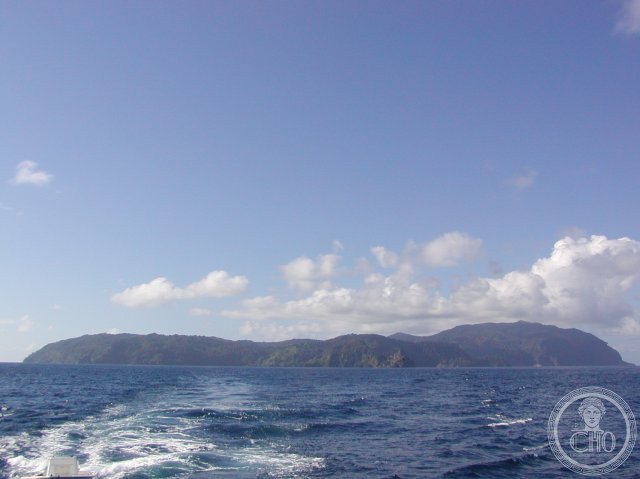
A remote volcanic island in the Pacific, designated a national park and UNESCO World Heritage Site for its exceptional marine ecosystems and thriving populations of sharks, rays and dolphins.
At a glance
Cocos Island is a roughly rectangular volcanic landmass covering approximately 23.85 km² (9.21 sq mi), located 550 km southwest of Costa Rica’s mainland. Uninhabited except for park rangers, the island stands as the southernmost point of geopolitical North America among non-continental islands and the only exposed landmass on the Cocos tectonic plate.
History
The island was designated a Costa Rican National Park in 1978, marking its transition to protected status. In 1997, Cocos Island National Park became a UNESCO World Heritage Site, recognition of its distinctive ecological value and marine biodiversity that distinguish it from other eastern Pacific islands.
What you see
This is a natural site rather than a built environment. The island’s volcanic geology shapes its terrain, while the surrounding deep waters and counter-currents create unique oceanic conditions. Dense vegetation and dramatic coastal formations characterize the landscape.
Cultural significance
Cocos Island possesses an ecological character distinct from the Galápagos Archipelago and nearby islands such as Malpelo, Gorgona and Coiba. Its wet climate and oceanic qualities support thriving populations of hammerhead sharks, rays, dolphins and other large marine species, making it one of the Pacific’s premier diving destinations. The island represents a singular example of its tectonic plate’s surface expression.
Key facts
- Country: Costa Rica (Puntarenas Province)
- Area: 23.85 km² (9.21 sq mi)
- Designation: UNESCO World Heritage Site (1997); Costa Rican National Park (1978)
- Coordinates: 5.528°N, 87.061°W
- Access: Accessible only by sea, typically 36–48 hours travel time from mainland
Practical information & getting there
Cocos Island can only be reached by sea, requiring 36 to 48 hours of travel from the Costa Rican mainland. As a protected national park with no permanent settlement, visits require advance planning and must comply with park regulations. Contact Costa Rica’s National System of Conservation Areas (SINAC) for current access information and requirements.
Sources & resources
Find it on the map
See this place and what’s around it →📷 Become a Cultural Heritage Online photographer
Share your photos of places: they stay published under your name as the author. The more they're seen, the more you get noticed — and soon a contest will reward the most appreciated photos.
Log in or sign up free to add a photo