
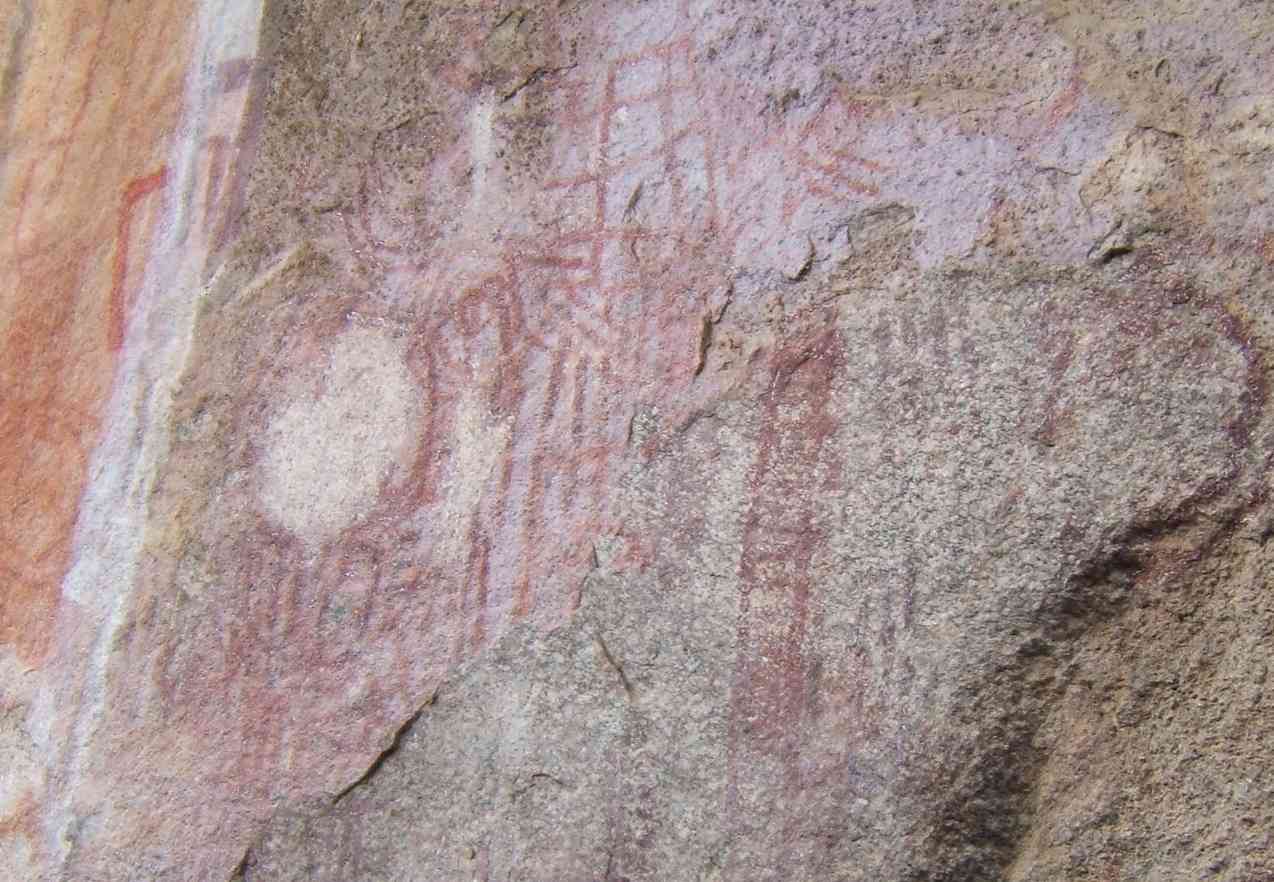
A landscape of 127 rock art sites carved into granite across the Malawi plateau, recording the rituals, ceremonies, and worldview of successive communities across millennia.
At a glance
The Chongoni Rock Art Area comprises 127 sites scattered across forested hills in Malawi’s Central Region. The artworks span from the Late Stone Age hunter-gatherer period through the Iron Age, preserving the cultural and spiritual expressions of the BaTwa and Chewa peoples in stone.
History
The BaTwa, hunter-gatherers of the Stone Age, created the earliest rock art here. Later, the Chewa farming community—traced to the Iron Age—continued and developed the artistic tradition. Bantu tribes subsequently adopted and adapted the agropastoralist art form, extending its cultural reach across generations. The practice of creating these works—particularly the ritual and ceremonial imagery—remained primarily a female tradition within Chewa society.
What you see
The rock art is executed on natural granite formations across the hills. Designs depict symbols of rituals, ceremonies, and the communities’ relationship with their natural environment. The art reflects an agropastoralist worldview—visual expressions of how these peoples perceived, used, and controlled their habitat.
Cultural significance
UNESCO inscribed Chongoni in 2006 for its exceptional cultural value. The site documents continuous spiritual and social practices from prehistoric times to the present day. The rock art represents not a static historical record but a living tradition that remains linked to contemporary Chewa society, making it a rare testament to cultural continuity across centuries.
Key facts
- Country: Malawi
- Region: Central Region (Malawi plateau)
- Number of sites: 127
- Coordinates: -14.29°, 34.28°
- UNESCO World Heritage Site: 2006 (Criteria III, VI)
Practical information & getting there
The sites are located in the forested hills of central Malawi. For current access information, opening hours, and detailed visiting arrangements, consult local Malawi tourism authorities or the UNESCO World Heritage Centre.
Sources & resources
Find it on the map
See this place and what’s around it →📷 Become a Cultural Heritage Online photographer
Share your photos of places: they stay published under your name as the author. The more they're seen, the more you get noticed — and soon a contest will reward the most appreciated photos.
Log in or sign up free to add a photo