
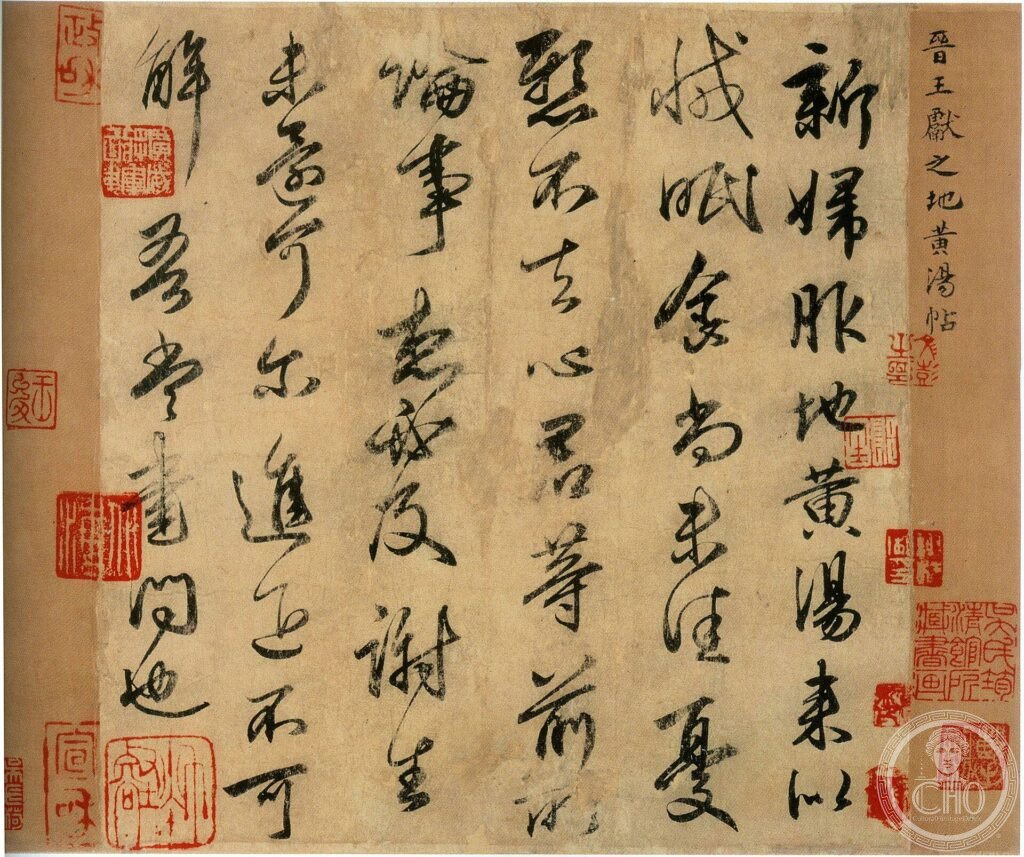
The art of writing Chinese characters combines visual mastery with literary interpretation, where each brushstroke embodies motion, rhythm, and the artist’s vital energy.
At a glance
Chinese calligraphy transforms the written character into a living artwork. Practitioners use brush, ink, and paper or silk to render characters with deliberate gesture and expressive force. The practice has been valued across East Asia for centuries as one of the cardinal accomplishments of educated persons, ranking alongside painting, music, and the game of Go.
Origins & history
Chinese calligraphy developed as a refined literary and artistic discipline within the educated elite, becoming integral to scholarly culture. Its roots run deep in the history of Chinese writing itself. The tradition has generated numerous subsidiary arts—seal carving, ornate paperweights, and decorated inkstones—each extending the aesthetic principles at calligraphy’s core.
The practice
A calligrapher sits before paper or silk with brush in hand, ink ground fresh from stone. The movement is deliberate: each stroke must carry intention and vitality. Calligraphy employs the same tools and methods as ink and wash painting, and the two arts share aesthetic DNA. Standardized styles guide the work, yet individual energy animates every mark. As art historian Stanley-Baker observed, calligraphy captures “life experienced through energy in motion that is registered as traces on silk or paper, with time and rhythm in shifting space its main ingredients.”
Cultural significance
Calligraphy occupies a unique place in Chinese culture—neither purely visual art nor purely text, but a fusion that honors both the meaning of words and the immediacy of gesture. The practice embodies core values of literati culture: discipline, spontaneity, respect for tradition, and the conviction that the hand can convey the state of the spirit.
Key facts
- Countries: China
- Anchor community: Beijing, China (39.9041°N, 116.4009°E)
- UNESCO Intangible Cultural Heritage reference: 00216
- Closely related to ink and wash painting
- One of the four cardinal skills of ancient Chinese literati
Where to experience it
Beijing serves as the heartland of this living tradition. Throughout China, calligraphy remains taught in schools and studios, practiced by amateurs and masters alike, and exhibited in museums and cultural institutions. Many cities host exhibitions and workshops where visitors can observe practitioners at work or learn the fundamentals of brush and stroke.
Sources & resources
- Chinese calligraphy — Wikipedia
- Chinese Calligraphy — UNESCO Intangible Cultural Heritage
- Cultural Heritage Online
Find it on the map
See this place and what’s around it →📷 Become a Cultural Heritage Online photographer
Share your photos of places: they stay published under your name as the author. The more they're seen, the more you get noticed — and soon a contest will reward the most appreciated photos.
Log in or sign up free to add a photo