

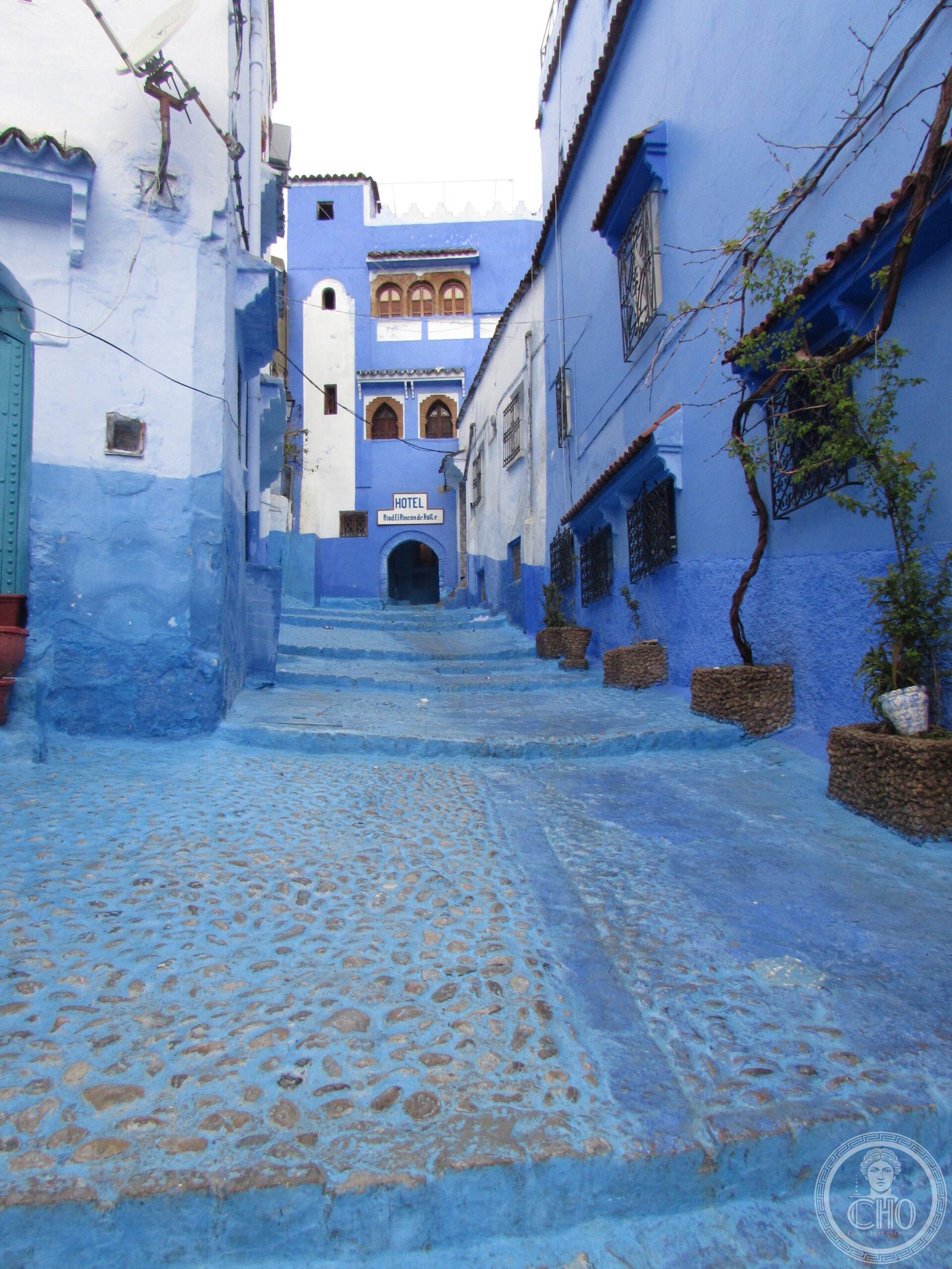
Chefchaouen Medina
Chefchaouen is a Berber mountain town in the Rif Mountains of northern Morocco, celebrated worldwide for its blue-washed streets and staircases, and one of the most photogenic medinas in North Africa.
History
The town was founded in 1471 by Moulay Ali ibn Rashid al-Alami as a fortified kasbah to defend against Portuguese incursions along the Moroccan coast. It became a refuge for Moorish and Jewish exiles expelled from Spain after the fall of Granada in 1492, who brought Hispano-Andalusian architecture, crafts, and the Haketia dialect of Judeo-Spanish. The distinctive blue paint — associated with spirituality and the sky in Jewish tradition, later embraced by the whole community — is refreshed annually. The town remained largely closed to non-Muslims until the 20th century.
What to See
The Plaza Uta el-Hammam is the social heart of the medina, flanked by the Grand Mosque and the restored Kasbah, which houses a small museum and a tranquil garden. The surrounding lanes of blue and white rise steeply up the hillside in a maze of arched passageways. The Jewish quarter retains its own character. Above the town, a Spanish mosque offers panoramic views of the valley. Local artisans produce woollen blankets, leather goods, and ceramics.
Getting There
Chefchaouen is in Chefchaouen Province, about 110 km south of Tetouan and 60 km from the port of Ceuta. CTM buses connect from Tangier (about 3 hours), Fez (4 hours), and Casablanca. The nearest major airport is Tangier Ibn Battouta.
Find it on the map
See this place and what’s around it →📷 Become a Cultural Heritage Online photographer
Share your photos of places: they stay published under your name as the author. The more they're seen, the more you get noticed — and soon a contest will reward the most appreciated photos.
Log in or sign up free to add a photo