
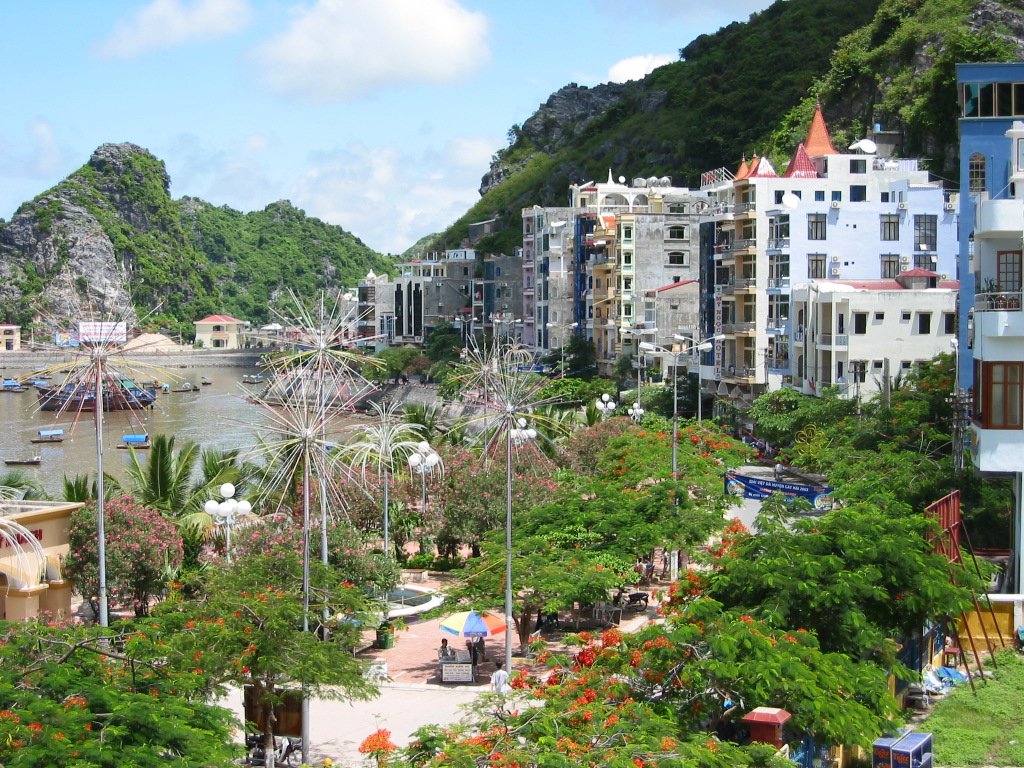
The largest island in Ha Long Bay’s karst universe
Cát Bà Island, the largest in the Cát Bà Archipelago, stands at the eastern edge of the iconic Ha Long Bay karst landscape in northeastern Vietnam. With an area of 285 km² of islands and 15,000 km² of surrounding waters, the Cát Bà Archipelago complements the UNESCO-listed Ha Long Bay (inscribed 1994) with its terrestrial dimension: tropical rainforest, dramatic limestone cliffs, and a remarkable concentration of species found nowhere else on Earth.
UNESCO inscription: completing the karst puzzle
In 2023, the Cát Bà Archipelago was added to the existing Ha Long Bay World Heritage Site, extending it to create a complete representation of one of the world’s outstanding examples of marine karst geomorphology. The combined site encompasses 55,000 hectares and was recognised for its exceptional natural beauty, geological significance, and biodiversity — including 14 globally threatened species and over 2,000 plant species.
Marine karst geology: towers from the sea
The karst landscape of Cát Bà and Ha Long was formed over 500 million years of geological processes — carbonate sediments deposited on an ancient seabed, uplifted, and then sculpted by water into the extraordinary tower-karst (fenglin) and island-karst (fengcong) forms that define the landscape today. The islands rise almost vertically from the sea, their bases hollowed into caves and grottos by wave action and freshwater dissolution.
Biodiversity: the Cát Bà langur and endemic species
The Cát Bà National Park, covering 40% of the main island, protects one of the most endangered primates in the world: the Cát Bà langur (Trachypithecus poliocephalus), with only 60–70 individuals surviving in the wild. The island is also home to the Cát Bà macaque, the Indochinese leopard, the clouded leopard, and hundreds of endemic plant species found on no other island. The marine zone shelters coral reefs, seahorses, and dugongs.
Fishing communities and floating villages
For centuries, fishing families have lived in floating villages anchored among the islands of the archipelago — harvesting fish, shrimp, and pearls from waters they know intimately. The most celebrated of these communities, the Vung Vieng floating village, houses around 60 families in houseboats arranged around the sheltered bay. Their presence is part of the intangible cultural heritage of the landscape, though climate change and aquaculture are transforming their traditional way of life.
From jungle to sea: the island explored
Cát Bà Island offers a rare combination of dense primary forest and clear island waters within easy reach of each other. The national park trails pass through rainforest to viewpoints overlooking the archipelago; kayaking in the Lan Ha Bay (the quieter, less touristic extension south of Ha Long) brings visitors into contact with limestone towers, hidden beaches, and tranquil lagoons inaccessible by larger vessels.
The Ha Long Bay dilemma: heritage and mass tourism
Ha Long Bay receives over 4 million visitors annually, and mass cruise tourism has created significant pressures on the marine environment. The 2023 extension to include Cát Bà came with a new management framework intended to address these pressures. Cát Bà has so far avoided the worst of the Ha Long congestion, offering a more sustainable and nature-focused experience while the authorities work to balance access and conservation.
Getting to Cát Bà
The island is reached by high-speed boat from Hải Phòng (40 minutes) or by a combination of bus and ferry from Hạ Long City. The island has a growing range of accommodation, from budget guesthouses in Cát Bà town to eco-lodges on the edge of the national park. The best time to visit is October to March, when the weather is cool and clear. A full visit combining jungle trekking, kayaking, and island swimming requires at least two days.
Find it on the map
See this place and what’s around it →📷 Become a Cultural Heritage Online photographer
Share your photos of places: they stay published under your name as the author. The more they're seen, the more you get noticed — and soon a contest will reward the most appreciated photos.
Log in or sign up free to add a photo